Search Results
3405 results for “Heat”

Cold Symptoms in Siamese Cats
Siamese cats show the usual cold signs — sneezing, runny nose, watery eyes, coughing, lost appetite, and low spirits — and because the breed is extra sensitive to temperature, warming them comes first. Viral or bacterial cases hit harder, so get a vet's diagnosis and pair it with gentle, reassuring care at home.

What to Do When a Hairless Cat Catches a Cold
Hairless cats have no fur to insulate them, so they catch chills easily—keep a sick cat warm, hydrated, and well-fed, and use heat-clearing or antiviral medication for cold symptoms. If eye discharge, red eyes, or fever appears, the cause may be feline rhinotracheitis and needs prompt veterinary care. Year-round, hairless cats need indoor living, clothing in winter, regular wiping in summer, and a calm, safe environment.
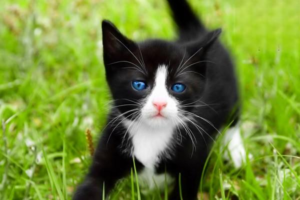
Kitten Cold: Symptoms and Care
Kitten colds move through three stages — early (dry warm nose, mild sneezes, normal appetite), middle (low energy, red eyes, fast breathing, thick discharge), and late (eye and nose crusting, mouth ulcers, fever) — and can mimic panleukopenia or rhinotracheitis, so don't delay. Warmth, nutrition, and vet-approved meds (never human pills) are the plan, with vaccination as prevention.

Preventing Dog Skin Problems in the Rainy Season
Warm, wet weather lets bacteria, fleas, and mites breed in a dog's coat, and damp fur after rain or baths is a top trigger for itch and inflammation. Four moves keep skin healthy: avoid rain, dry paws and coat after walks, keep the home below 50–60% humidity, and bath or dry-clean thoroughly — watch for red patches, scabs, or constant scratching.

Does Shaving Your Pet Keep It Cool in Summer?
Shaving a cat or dog in summer doesn't cool it down and can do real harm — their few sweat glands sit in the paw pads and tongue, so a bare coat barely helps, while it strips the protection against sunburn, bites, and scratches and can batter a pet's confidence. Only shave for medical reasons like skin disease or surgery.

Is Your Cat Sticking Out Its Tongue Just to Look Cute?
A cat with its tongue out is often just relaxed, grooming, asleep, or born with a short chin that can't hold it in—all harmless. But a tongue that stays out with panting, drooling, bad breath, or lethargy can point to heart or lung disease, heatstroke, or a respiratory infection that needs a vet.

Why Has Your Cat Suddenly Lost Its Appetite?
A cat that stops eating may just be bored with its food, stressed, or reacting to heat or vaccines—but it can also signal dental pain, pancreatitis, kidney disease, or a blockage. If the slump lasts more than two days, assume a medical cause and see a vet. A sudden increase in appetite can mean diabetes, hyperthyroidism, or parasites.

Why Spay or Neuter Your Cat?
Spaying or neutering is the simplest way to help a cat live longer and stay healthier—neutered cats outlive intact ones, and the procedure calms the anxiety of constant heat cycles. The best window is six to nine months, with females spayed before their first heat.
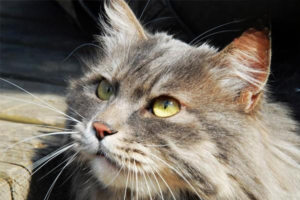
What to Do About Your Cat Shedding
Shedding is usually normal—seasonal coat changes, but also ringworm, too much dietary salt, or poor nutrition. Brush daily through the molting season and give hairball paste, cut salt and human food, feed balanced nutrition, and see a vet for suspected ringworm.

What to Do If Your Schnauzer Gets Eczema
Eczema is an inflammatory skin reaction of the epidermis to an allergen, showing as red patches, papules, blisters, weeping, and crusting with heat, pain, and itch. It is linked to allergies, irritation, excess carbohydrates, heat and humidity, and poor nutrition, and it appears most in China from May to September. Keep the skin clean and dry, use a flea collar, and treat with antibiotics and steroids plus an Elizabethan collar to stop self-trauma.