Search Results
3405 results for “Heat”

Do Cats Actually Like Being Held?
Many cats, true to their aloof reputation, dislike being hugged, and long-haired breeds get restless in summer heat; but a cat handled often from kittenhood usually tolerates and even enjoys it. Until you know a cat well, don't force a hold, or instinct may lead to scratches.

How to Prevent Skin Disease in Dogs
With hot, damp weather come fungal and mite skin problems, especially in long-coated breeds like Golden Retrievers and Alaskans, and these conditions spread and relapse easily. Keep the bedding dry and clean, lift the bed off the floor, and brush the coat daily to stop trouble before it starts.

Cat Chin Acne (Feline Folliculitis): Symptoms and Treatment
The "black chin" is feline folliculitis — overactive sebaceous glands clogging the pores, essentially the same as human acne. Most cases are mild and clear up with saline wipes, a diet lower in oil, and swapping plastic bowls for ceramic or stainless steel; neutering also helps by steadying hormone levels.
Why Newborn Kittens Die: Common Causes of Fading Kitten Syndrome
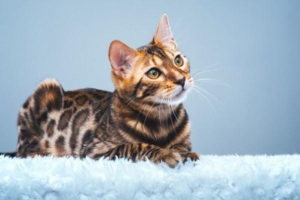
Most fading kittens die from preventable causes: the mother's low milk supply, being crushed in an undersized nest box, injury and infection, or chilling. Watch for a thin belly and constant crying (signs of hunger) and keep the whelping area warm and roomy — at least 40×40×40 cm, or 60 cm per side for large breeds like Ragdolls.

What to Do If an Arowana Is Stressed
An arowana that is frightened should be left in a quiet, stable tank with feeding stopped and gentle support — a slight temperature rise, a little aquarium salt, and small water changes — until it relaxes. Stress comes from new surroundings, tank-mate fights, or sudden shifts in temperature or water quality, and it can slide into illness or death, so keep the tank calm, the temperature swing under 2°C, and remove anything that spooks the fish.
Which Hamster Is the Gentlest?
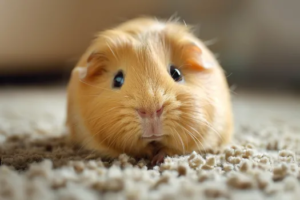
Among Campbell's dwarf hamsters, the wild-colored and 'purple' varieties have the gentlest temperaments, the Roborovski is the smallest, and the 'milk tea' is the prettiest — but hamsters are solitary and breed fast, so house them one per cage to avoid fights and overcrowding. Give a roomy cage with a wheel, keep them cool (they hate heat), feed a proper mix rather than human food, and offer boiled-cooled water and chew toys.

Treating Canine Bronchopneumonia
Canine bronchopneumonia (lobular pneumonia) brings high fever, cough, labored breathing, and thick yellow-brown nasal discharge, often following a cold or diseases such as distemper and adenovirus. Treatment combines Western medicine — anti-inflammatory, cough and asthma relief, and fluid support — with Chinese herbal formulas such as Houttuynia injection and Maxingshigan decoction, plus antibiotics like ampicillin for severe cases.

How to Treat a Dog’s Abscess
A dog's abscess (pyoderma) comes from infection with pyogenic bacteria. Have a vet examine the dog and tailor treatment to how severe it is: serious cases need both local and systemic therapy — antibiotics, antiseptic ointments, and medicated baths — while mild cases can be handled at home by cleaning and disinfecting the spot daily and applying an anti-inflammatory, antibacterial ointment.
Chinchilla: Yellow Fur on the Rump — What to Do, and Can You Bathe It?
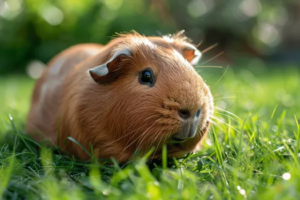
Yellow fur on a chinchilla's rump usually comes from urine stains or damp fur that oxidized, and if bad it can inflame the skin. Wipe with a warm towel, trim what will not come clean, or use a dust bath to fade it — but do not wash a chinchilla with water: the stress can drop immunity and even prove fatal, the dense coat stays wet and invites skin disease, and the natural protective film is stripped away. Keep the cage bottom dry, and simply yellowed fur is harmless.
How to Avoid Static Shocks with Your Cat in Winter
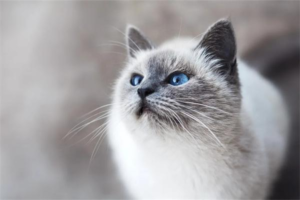
Winter static on a cat comes from dry air (especially with the heater on), friction, and acidic blood from poor diet — and a shock can make the cat think you swatted it. Ease it by applying hand cream, wiping the coat with a damp towel, running a humidifier to keep humidity at 50–60%, using pet anti-static spray or comb, improving the diet with amino acids and fatty acids, and touching a table or wall first to discharge yourself.