Search Results
3405 results for “Heat”

Heat Alert: What to Do When Hot Pavement Burns Your Dog’s Paws
When it's over 30 C, asphalt can exceed 60 C, and dark surfaces can hit 70 C by early afternoon, so paw-pad burns are a top summer injury. A dog's pads sense heat with a delay and may keep walking despite pain, so the owner must judge safety: press the ground with your hand for 7 seconds, if it hurts you it burns them. Signs include limping, red swollen pads, blisters, constant licking, and yelping. First aid: move off the heat, rinse the pad with cool running water 15 minutes, flush with saline, dab with povidone-iodine (never alcohol), apply a pet burn ointment, loosely bandage, and use a cone. Severe cases with open wounds, bleeding, or black scabs need a vet. Walk before 7 a.m. or after 8 p.m. on grass.

Bad Breath in Dogs and Cats Is Not “Heat”—3 Types to Self-Check
When dogs or cats have bad breath, many owners assume “heat” and reach for cooling teas or herbs—but most pet halitosis is a disease signal, not a temperature issue. A rotten, fishy odor with red gums, tartar, hesitant eating, or drooling points to periodontal disease (over 70% of pets over 3 years); a strong urine or ammonia smell with extra drinking, extra urination, lethargy, and low appetite signals declining kidney function; and a sour, fermented odor with burping, acid reflux, worse on an empty stomach, and soft stool points to gut or liver trouble. Mild breath, teething at 3–6 months, or a meaty diet smell are normal. Severe or symptomatic breath warrants a vet visit—blood and organ checks—not “cooling” remedies.

Early Signs of Heatstroke in Dogs—and How to Prevent It
Dog heatstroke progresses through early warning signs, moderate fever, and severe shock, and the early stage is the easiest to miss—and the easiest to treat. Watch for constant open-mouth breathing with the tongue out and rapid shallow breaths, lethargy and slow responses, seeking shade and refusing to walk, thick stringy drool with a dry hot nose, and reddened, warm paw pads. Move the dog to a cool, airy spot and offer water in small amounts at the first sign; untreated, it can become critical within minutes. This article also covers which dogs are most at risk and practical prevention, from walking at dawn or dusk to never leaving a dog in a parked car.
How to Handle a Chinchilla in Frequent Heat
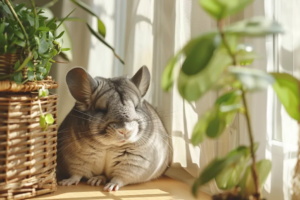
Chinchillas breed readily, and frequent heat can make both owners and pets uncomfortable. Adult males are almost always ready to mate, while females come into heat about once a month, becoming noisy and restless. If you plan to breed, provide a quiet, well-prepared environment and proper nutrition; if not, separate cage-mates, offer chew toys and interaction to burn energy, and consider neutering. Because repeated heat shortens a chinchilla's lifespan and raises stress, neutering is the most fundamental, health-protecting solution for non-breeding pets.

Why Cats Yowl in Spring (Heat) and What to Do
Spring brings the feline mating season and the sleepless yowling that comes with it. For cats not meant for breeding, spaying or neutering is the permanent fix - it ends the distress and lowers reproductive-disease risk for both sexes. If breeding is planned, wait until the female is 10-12 months and the male over a year, and isolate them from the opposite sex before then. Distract with play, gentle music or favorite food, and never use the dangerous 'cotton-swab method' or unproven 'heat-stopping powder'. This article covers heat timing, signs and precautions.

Emergency Care for a Pet With Heatstroke
Dogs cool only through their paw pads and tongue, so a thick coat turns summer into a sweater; heat, humidity, no water, hard exercise, or even clothes and shoes can tip them into heatstroke. Know the signs, and if you cannot reach a clinic, cool the body safely while rushing for help. This guide covers causes, symptoms, and emergency steps.

Spring Shedding and Heat Management in Cats
Spring brings shedding and heat cycles. Control loose fur with pet shampoo, regular brushing, low-salt beauty-coat food, and a calm mood; keep skin healthy with sun and exercise. For heat, a queen in season eats less and calls for toms, so feed well, confine her, and strictly prevent escape, especially before six months.

Why Neutered Cats Still Show Signs of Heat
A neutered male may still act horny for a few weeks while hormones clear. Rarely (1–3%, more in purebreds) a retained testicle (cryptorchid) is the cause—check for penile spines, which signal remaining testosterone. Late neutering can leave old habits plus triggers like a female in heat. Neutered females may show heat from post-op hormone clearance, incomplete ovary removal (tissue left behind), or outside hormones (a steroid cream, adrenal disease). Never neuter during heat; if signs appear after, review and consult a vet or online vet to tell true heat from stress-mounted behavior.

Are Hamsters Sensitive to Heat? Signs and Cooling Tips
Hamsters do mind the heat, and in a hot summer they can overheat and suffer heatstroke, showing signs like lying still, dull eyes, and rapid breathing. Owners need to plan cooling before the temperature spikes. The good news is that simple housing tweaks—shade, the right bedding, a water basin, and stable temperatures—go a long way. This guide covers how a heat-stressed hamster behaves and the practical steps to keep it safe through the summer.

Hamster Heatstroke: Signs and First Aid
Hamsters tolerate heat better than some small pets, but a sustained hot spell can still overcome them, and heatstroke is fast and dangerous. Early signs are deceptive—frantic racing—but they quickly give way to lethargy, rapid breathing, and collapse, and an untreated hamster can die within half an hour. Quick cooling and fluids are the difference. This guide explains how to recognize heatstroke and the step-by-step first aid that can save your hamster.