Search Results
3405 results for “Heat”
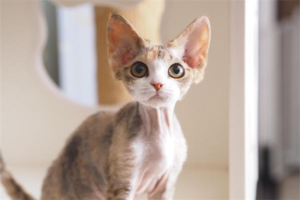
How Long Does a Female Cat’s Heat Last?
A female cat's heat usually lasts about 3–10 days (cycle 14–21 days, 2–3 times a year), with signs of loud yowling, irritability, swollen vulva, raised-rump posture, lower appetite, spraying, and escape attempts—so secure doors and windows. Spaying is the permanent fix and lowers reproductive-disease risk; distract with play, white noise, and check-ups meanwhile.
When is a cat’s breeding season, or heat period?
Cats come into heat in spring and autumn. Females start around 6 months with 3 to 7 day cycles; males around 6 to 8 months with 7 to 10 day cycles, and can be triggered by a nearby female. Heat brings clinginess, appetite loss, and spraying, so spay if you do not plan to breed.
Do female cats have a menstrual period (heat)?
Female cats do have a 'period' — their heat cycle — but they don't bleed from the vulva. Signs include seeking affection, low cries, and accepting males. They may roam, so keep doors shut; spaying can extend lifespan.
How often does a female cat go into heat?
A female cat's heats are usually 2–3 months apart. She is a seasonal, multiple-heat animal, cycling more in spring and autumn, reaching sexual maturity at 5–12 months and staying in heat 5–8 days each time. Spaying is advised if you do not plan to breed and benefits her health.
How long does a cat’s heat cycle last?
A female cat's heat usually lasts about a week, averaging three cycles a year, common in spring (March–May) and autumn (September–November). If she does not mate, she may come back into heat within a month. Males are triggered by females. Spay if you do not plan to breed.
Why is my dog still bleeding after 30 days of her heat cycle?
Bleeding for 30 days into a dog's heat cycle is usually normal, since cycles vary individually and typically last 15-30 days (some only 7-15). If she is energetic with no fever, appetite loss, vomiting or diarrhea, keep observing and keep the vulva clean and dry to prevent bacteria. But if bleeding increases with a foul odor and her mood or appetite changes, a reproductive issue may be the cause — see a vet.
How to cool a rabbit in 35C summer heat?
In 35C heat, use air conditioning, a fan, or an air cooler to lower the room temperature and keep the cage in a shady, ventilated spot to prevent heatstroke. Provide plenty of water and avoid overcrowding, which traps heat and builds up harmful gases.
What Should I Do If My Cat Won’t Eat After Heat?
After heat ends, hormonal changes may make a cat uncomfortable, but it usually recovers on its own. Offer digestive enzymes and high-protein meat or fish pâté to boost appetite. If it still refuses food, consider a reproductive-system issue—unmated females risk uterine infection, males risk urinary blockage—and see a vet.
Are turtles sensitive to heat?
Turtles do mind the heat. They thrive around 23–26°C, where warmer temperatures mean a bigger appetite and faster growth, but beyond 30°C both appetite and growth slow down. In hot summer weather, move turtles indoors or add shade over the pond to keep them healthy.
At what age do rabbits go into heat?
Female rabbits typically cycle in March–May and September–November, first around 3.5–4 months; males may breed year-round from about 4–4.5 months. Do not breed a doe at her first heat, as her body is still developing.