Search Results
3399 results for “Heat”
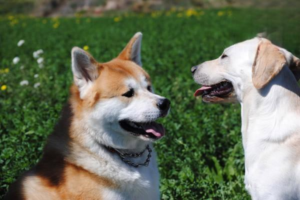
6 Things Owners Should Do When Their Female Dog Is in Heat
A female dog in heat needs special care. Keep records from the first sign of blood, give her quiet rest, manage walks, watch her urination, never let her out of sight, and show extra patience and affection.
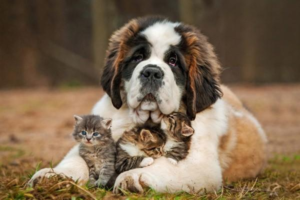
How to Handle a Pet in Heat
In this hormone-filled season pets send signals to breed. Owners must be careful and help them through heat calmly.
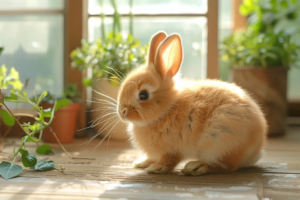
Signs of a Buck Rabbit in Heat
A buck in heat turns from calm to irritable and aggressive: poor appetite, restless stomping, urine spraying, and mounting — especially with a doe, and fights with other bucks in heat. Frequent heat without a mate can cause prostate disease. If you will not breed, neuter at a vet (never during heat); if you will, add a doe, though two rabbits mean more work.
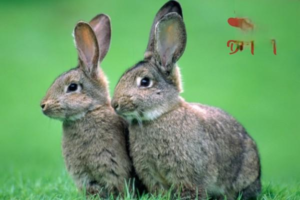
Factors That Affect a Doe’s Heat
A doe's heat is shaped by inside and outside forces: her ovarian cycle (follicular then luteal phase, induced ovulation, corpora lutea dissolving in 3–5 days if no conception), season and light (peak around the spring equinox at 12 h light, lowest in late December), green-feed supply (rich greens lift heat and conception above 80% in March–April), and mechanical stimulus from group housing. Sunny days raise heat and mating success; rain or snow lower them.
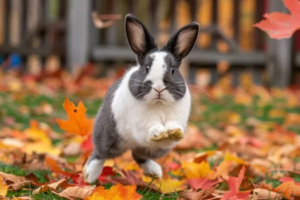
What Does a Doe in Heat Look Like?
A doe's heat is mostly induced by stimulus. Breed, age, health, climate, and environment all shape it — summer heat cuts appetite and heat rate, winter cold and scarce greens do too. In heat she turns excited and active: stomps, paws the floor, eats less or refuses food, mounts other does, and seeks the buck; her vulva goes pale at rest, pink early, deep red at peak with swelling, then purple-red. The cycle is 8–15 days, each heat 3–5 days; place her with the buck at the start. Neuter if not breeding.

How Often Does a Doe Rabbit Come Into Heat?
A doe's heat cycle runs about 1–2 weeks, with each heat lasting 2–3 days. Tell heat stage by vulva color — pink (early), bright red (mid, best for mating), purple-red (late), then pale. Mate naturally by placing the doe in the buck's cage, or assist manually if she will not lift her tail.

What You Should Know About Heatstroke in Dogs
Dogs cool themselves mainly by rapid panting because they have almost no sweat glands, so they overheat quickly in summer. Recognize early signs like heavy panting and red gums, and act fast—move to shade, offer cool (not ice) water, and cool the paws—then see a vet.
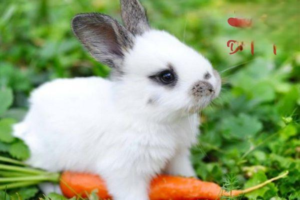
How to Prevent Rabbit Heatstroke
Summer heat easily causes heatstroke in rabbits; above 33°C it can bring twitching, coma even death. Learn the prevention and the first-aid steps.
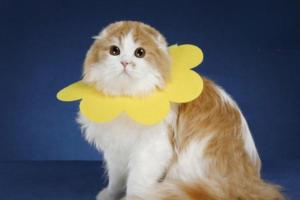
Are Cats Cold- or Heat-Sensitive, and What Temperature Suits Them?
Most cats are cold-sensitive because their coat insulates poorly, though a few breeds are the opposite. Learn the ideal range and how to keep a cat warm.

What to Do When Your Hamster Has Heatstroke
Hamsters fear heat as much as cold, and summer can quickly cause heatstroke that turns fatal without quick action. Here is the emergency care and how to prevent it.