Search Results
3405 results for “Heat”

What to Do When Your Cat Loses Appetite in Summer
Hot weather can drop a cat's appetite, and so can warm or dry food, illness, parasites, moving, or household stress. Keep the environment cool and shaded, offer light wet food rather than hot meals, and place several water bowls around the home so a dehydrated cat can drink anytime. Gentle play and a clean living space help, as does adding a pet probiotic to the food. Favorite toppers like canned food, freeze-dried meat, or chicken can renew interest. If appetite stays poor, have a vet rule out disease or worms.

What to Do When Your Dog Loses Appetite in Summer
Summer heat can lower a dog's appetite, as can a repetitive diet, parasites, or illness such as gastritis, distemper, mouth ulcers, or fever. Offer light, easy-to-digest food like wet food, vegetables, fruit, and bone broth in small frequent meals, and always keep fresh water available since heat drains fluids fast. Add variety with cooked egg, chicken, or fish, but skip human leftovers to avoid excess salt, oil, and additives. Keep bowls clean to prevent spoilage, encourage gentle exercise, and add probiotics to support gut health. If appetite stays poor or other symptoms appear, see a vet.
What should I do if my puppy won’t eat or drink and just wants to lie down?
A puppy that won't eat or drink and only wants to lie down may be too hot, unwell, or in a bad mood - observe to find out. If it's heat, cool it with a fan or AC and offer a little fruit and probiotics; if it's unwell (gut upset or fever), see a vet; if it's mood, take it out to walk and play and its appetite should return.
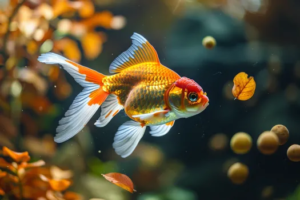
4 Common Goldfish Diseases and How to Treat Them
Goldfish commonly face white spot disease, pinecone (dropsy) disease, print disease, and hemorrhagic disease. Lower the risk with good, stable water quality, steady temperature, and avoiding stress and physical injury. Keep water clean with regular changes and enough oxygen, and adjust temperature with the weather. Healthy water is the foundation of goldfish health.
Can dogs eat watermelon rind?
Dogs can eat watermelon rind, but not puppies or sick dogs, and only in small amounts - a nibble on a hot day helps cool them, yet too much causes diarrhea. Never give chilled rind, since cold food easily upsets a dog's stomach.
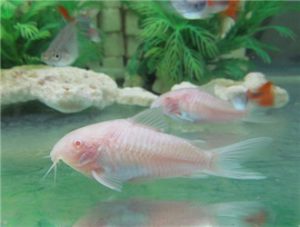
White Corydoras
The White Corydoras is native to South American waters and is now mostly captive-bred. An albino form of the Bronze Cory, it has a milky white body with clear red eyes, is gentle, and is kept in schools. Egg-laying and good with small fish, it suits planted tanks as a bottom fish.
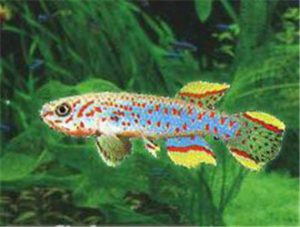
Aegean Killifish
The Aegean Killifish (Aphyosemion celiae) is native to West Africa and shaped like the harp killifish, 6-7 cm long. It likes weakly acidic water and higher temperature (optimal 24-28 C), eats live foods like bloodworms and artemia, and is hardy and easy to keep.

Azuma Goldfish
The Azuma goldfish is a goldfish variety. Unusually, it does not show its pretty pattern at first; the color appears slowly months after hatching. Its habits are the same as other goldfish.

Molly Fish
Like the guppy, the molly is a live-bearing fish, and by body shape it is roughly split into common and balloon types, so there are many molly varieties. Mollies are very gentle and can be mixed with other equally gentle ornamental fish.

Rosy Barb
The rosy barb is native to India. In the aquarium it reaches 5 to 7 cm, but in the wild it can grow to 14 to 15 cm. During breeding it shows a striking rosy-red nuptial coloration.