Search Results
3405 results for “Heat”

Does Your Cat Know You’re the One Caring for It?
Cats definitely know who feeds and cares for them. Through consistent feeding, grooming, and play, they link your face, voice, and scent to survival needs like warmth and safety. A 2019 University of Tokyo study found cats turn their ears and dilate pupils faster for their owner's voice than a stranger's—proof the brain flags you as important. Cats show recognition subtly: cheek-rubbing, belly displays, midnight purring, and tracking your location. To strengthen the bond, build a feeding ritual, respond to their overtures, and avoid 'emotional neglect'—cats cared for by rotating family members grow less attached. A stable caregiver builds the security they need.

Why Does Your Cat Eat but Stay Thin? (Worms and More)
A cat that eats well but stays thin is often fighting intestinal parasites—roundworms, tapeworms, hookworms, giardia, or coccidia—that steal nutrients and release toxins interfering with digestion, causing slow or lost weight, anemia, and poor growth. Tell-tale signs include soft stools, rice-like segments near the anus, scooting, pale gums, and a swollen belly. But worms are not the only cause: poor absorption, hyperthyroidism or diabetes, repeated heat cycles, or a low-protein diet can also keep a cat lean. The fix is a tailored deworming plan plus gut probiotics and high-protein meals; spaying helps if heat is the driver. See a vet if weight keeps dropping.

How to Prevent Seizures After a Puppy Recovers from Distemper
Seizures can appear even after a distemper test turns negative because the virus is neurotropic—central-nervous-system damage and lingering inflammation may already be set. Prevention rests on three pillars: ease neuroinflammation, protect and repair nerve tissue, and avoid triggers. Nerve-support supplements (B vitamins, fish oil, citicoline, mecobalamin) help, and high-risk puppies may need low-dose long-term anti-seizure medication under a vet's supervision. Keep the environment calm and warm, skip baths during recovery, and feed highly digestible food with vitamin E, selenium, and lecithin. Learn the early warnings—repeated nodding, limb tremors, circling—so you can act before a full seizure.

Are Hamsters Easy to Keep?
Hamsters are fairly easy to keep: they need little space and eat small amounts, as long as you give a suitable home and balanced nutrition. Provide a roomy, safe cage in a warm, quiet, dim spot; feed varied food and clean water; offer chew items and a wheel for exercise; and keep the cage and bath sand clean. Avoid people food, long sun exposure, co-housing, water baths, and untreated tap water to keep your hamster healthy.
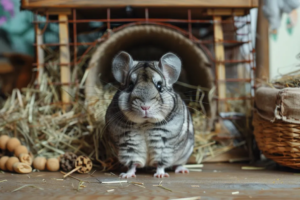
Why Is My Chinchilla Peeing Outside the Litter Box?
Chinchillas may urinate in the wrong places for several reasons—bad habits, low mood, estrus, territorial marking, or an underlying urinary infection. Each cause needs a different response. The key first step is to clean any accident thoroughly so the scent doesn't train your pet to reuse the spot. Feeding on a fixed schedule keeps a hungry or unhappy chinchilla calm, while separating cages and considering neutering curbs marking during heat. If urination becomes frequent or the urine looks dark, a vet check rules out infection.

What to Do If Your Rabbit’s Fur Turns Yellow
Yellow fur in rabbits can signal poor nutrition, too little sunlight, skipped grooming, illness, or simply urine staining. Because the cause varies, judge by the situation. Feed a balanced diet of fresh grass, vegetables, and quality pellets; give a few hours of gentle outdoor sun (avoid midday heat); brush regularly with a soft comb and use a rabbit-safe shampoo only when needed; and keep the cage clean and dry so urine doesn't stain. If yellowing comes with other symptoms, see a vet for parasites or infection. With diet, light, grooming, and checkups, the coat can recover its healthy shine.

What Season Is Best for Breeding Hamsters?
Indoor pet hamsters can technically breed year-round with the right care, but spring and autumn are best for success and healthy pups. Both seasons have mild temperatures and plentiful, nutritious food, and females come into heat more readily. To breed, start with healthy adults of the right age, set up a roomy, warm, well-supplied cage, and pair them once the female shows clear courtship signs like squeaking or a raised tail. Avoid inbreeding, respect age limits (females around 3 months, males around 4), keep the cage clean and warm through the 6–10 day cycle, and after birth watch nursing, clean regularly, and split the pups into separate cages as they grow.

Do Guinea Pigs Need Baths?
Yes—guinea pigs need baths. As small pets they live in easily soiled spaces, and without regular washing, dirt builds up, they smell, and health suffers. A bath cleans the coat, cuts bacteria and parasites, and lowers disease risk, and it is also a nice bonding moment where you learn your pet's habits. Aim for 2–3 baths a month; over-bathing strips the skin's natural barrier and causes dryness and itching. Use lukewarm water (35–38°C), guinea-pig-specific tub and shampoo—never human products—and dry thoroughly with a towel and low-heat dryer to prevent chills. For pigs that hate water, a wipe-down with a damp cloth or pet cleaning spray works too.

What to Do If Your Hamster Falls in Water
Hamsters are fragile and easily terrified, so falling in water is an emergency. They may panic, catch a chill and fall ill, or even drown. Act fast: lift the hamster out calmly, check and gently blot water from its nose and mouth so it can't choke, then lightly press its belly to help expel water. Dry and warm it—pat with a towel and use a hairdryer on low—and keep it cozy while you watch its breathing and heartbeat. If it does not recover, rush it to a vet. Staying calm and gentle is the best thing you can do.

Why Does Your Cat Suddenly Dart Around the House?
When a cat suddenly tears around the house, pounces at empty air, or arches its back and puffs up, it is usually showing what veterinarians call Frenetic Random Activity Periods (FRAPS)—a normal behavior, especially in kittens and young cats. The triggers are mostly instinctual: a retained hunting drive, excess energy, stress, or heat in unspayed cats. Occasionally, frantic running signals a health problem such as hyperthyroidism, a neurological disorder, or a parasitic infection, particularly when paired with appetite loss, weight drop, or lethargy. Meeting the cat's exercise needs with toys and play, plus a calm, safe environment, keeps normal zoomies harmless and happy.