Search Results
3405 results for “Heat”
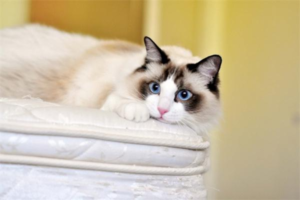
Does a Cat’s Personality Change After Neutering?
The belief that cats turn gentler after neutering is partly true but not guaranteed. Neutering removes the testes or ovaries and uterus, so a cat can no longer breed and its sex hormone levels drop. Without heat cycles driving hormones up, many cats become calmer and more stable, with less aggression and territorial drive, and they often accept petting more willingly. But the direction and size of any change depend on the cat's age, temperament, and environment. Some become more aloof and less social, and right after surgery a cat may act irritable and lose appetite from pain, fear, and the stress of the procedure. Others show no clear change at all, especially if their personality was already steady. Support your cat through mood swings with extra affection, a stable routine, private space, and more gentle interaction. Neutering does not rewrite a cat's core self, so stay patient and respect its individuality.

What Are the Symptoms of Hip Dysplasia in Dogs?
Hip dysplasia is a common inherited joint disease in dogs in which the hip socket and ball do not fit or wear normally, causing pain, limited movement, and falling comfort. Left unchecked it can worsen to disability. Typical signs include reluctance to run, climb stairs, or exercise; joint swelling after activity; pain shown by difficulty lying down or whimpering; muscle loss from moving less; a limp or bunny-hopping gait; and a grinding sound from the joint during motion. Mild cases are managed conservatively with weight control, limited strenuous exercise, joint supplements, and physical therapy such as massage, heat, or cold packs. Medications like anti-inflammatories, pain relievers, and cartilage repair drugs ease symptoms. Severe cases may need surgery, including hip replacement or femoral head removal, to restore comfort and function. Knowing the signs helps owners act early and care for their dog well.

Why Do Cats Meow So Much?
Some cats are quiet while others meow constantly, and much of it comes down to personality plus circumstance. Hunger is a top reason: a sharp, persistent cry asks for food, so check the bowl and top up if needed. Lonely, attachment-seeking cats vocalize when left alone too long, asking for attention, play, or a cuddle, and a clingy cat may benefit from a companion and more toys. Pain or discomfort also shows up as meowing, especially with low energy, so check the body and visit a vet if something seems wrong. The mating season is another big trigger: unspayed cats call loudly to attract mates and may act out or soil the house, so neutering curbs these behaviors, cuts reproductive-disease risk, and even lengthens life. By learning what each cry means, owners can meet their cat's needs and keep it content.

Why Does My Cat Keep Sticking Out Its Tongue?
A cat that keeps its tongue out is not always being cute, it can signal an underlying issue. Mild tongue protrusion is normal when a cat pants to cool down in heat, but it may also point to respiratory problems such as infection, asthma, allergies, or a foreign object in the airway, often with coughing or labored breathing. Oral pain, stress and fear, and certain heart conditions can also cause it. Provide a cool, calm environment and comfort a stressed cat, but if the behavior persists or comes with other symptoms, have a veterinarian check for respiratory, oral, or cardiac causes.

Can Hamsters Die from Sunlight?
Hamsters can die from too much sun. As nocturnal animals, they prefer cool, dim environments, and direct exposure to strong sunlight can seriously harm their health. Their thin skin burns easily under UV rays, their eyes are adapted to darkness and can be damaged by bright light, and because they cannot regulate body temperature like humans, they overheat quickly and may suffer heatstroke, dehydration, or heat exhaustion. To keep a hamster safe, avoid prolonged sun exposure, maintain a habitat around 18-24°C with shade and good ventilation, and always provide fresh water.

Why Is Your Dog Gasping or Breathing Rapidly?
Occasional rapid breathing or gasping is normal after exercise or in heat and settles quickly. But it can also signal disease: respiratory infection, a blocked esophagus, tracheal stenosis, or heart problems. If it is frequent or lasts long, see a veterinarian. Prevent issues by keeping air fresh, grooming and deworming regularly, avoiding smoke and strong odors, and scheduling routine checkups.
Dog Gastroenteritis with Bloody Stool: A Recovery Case
A 5-year-old dog passed soft stool with a little blood at the end for nearly a week, yet kept a good appetite and energy—pointing to chronic enteritis or gut overload rather than a severe acute illness. With gut-protecting, antibiotic, and probiotic support plus a bland diet, the stool normalized within a day. The case shows how diet and the right care heal a fragile gut.
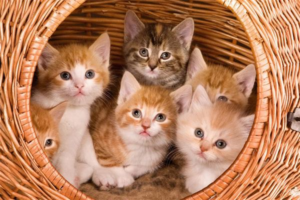
Can Cats Eat Spicy Food?
Cats should never eat spicy food. Although they may curiously sniff your plate, capsaicin, the compound that makes food hot, acts on a cat's nasal and oral membranes as a painful irritant rather than a flavor. When exposed, cats feel burning and pain, often drooling, tearing up, or sneezing, and the spice irritates their stomach lining, which can lead to vomiting, diarrhea, and dehydration. Cats are obligate carnivores with digestive systems very different from ours, and they gain no benefit from chili or strong seasonings. If your cat licks a small amount, watch closely and offer water or kitten-milk formula to soothe the gut; for clear distress such as vomiting, diarrhea, or refusing food, give pet probiotics and see a vet promptly. To keep your cat safe and healthy, stick to proper cat food and a balanced diet, and never share spicy human meals.

What to Do When a Kitten Won’t Sleep in Its Bed?
A kitten that refuses its own bed and insists on sleeping with you is usually driven by a need for security, warmth, or companionship. To gently change the habit, set up a roomy, cozy bed with a soft cushion—and, for a clingy kitten, tuck in a piece of your worn clothing so it can smell you. Place the bed somewhere quiet, warm, and dim, and spend calming time playing and grooming before sleep to help it settle. Build independence gradually: move the bed a little farther from your own over time, and keep night-time interaction low. Patience and consistency turn the cat bed into a place your kitten chooses on its own.

How Often Should You Bathe Your Dog in Summer?
Bathing your dog once a week is usually too often. A dog's skin relies on its sebum layer to stay moist and protected; over-bathing strips it, causing dryness, worse odor, and skin infections. Frequency should follow coat type and lifestyle—indoor small dogs may need only every two to three weeks, while active outdoor dogs can go weekly. Between baths, wipes, toothbrushing, and ear care keep odor down.