Search Results
3405 results for “Heat”

Signs Your Cat Is Overheating and What to Do
Cats are highly sensitive to heat and can quickly go from discomfort to heatstroke in hot weather. Key warning signs include sprawling belly-up on the floor, panting with the tongue out, drinking excessively, and losing appetite. Keep your cat cool by ensuring air circulation, thinning (not shaving) the coat, and providing plenty of fresh water.
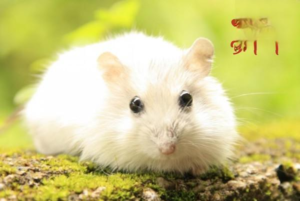
What to Do When a Hamster Is ‘Overheated’, and How to Cool It
A hamster gets 'overheated' (shanghuo) mainly from too many dry, rich treats — mealworms and sunflower seeds — and too little water. Cool it by cutting mealworms to 3–4 a week, pausing seeds, offering more cooled boiled water, and adding light chrysanthemum tea, cooked mung beans, or washed fresh produce. Prevention is sensible feeding and constant clean water.
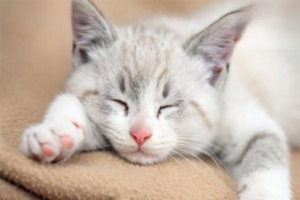
How to Prevent Heatstroke in Cats in Summer
Cats have no sweat glands and cool only through paws and muzzle, so they overheat fast — heatstroke brings panting, rapid breathing, and can be fatal. In an emergency move the cat to shade, cool it with damp towels and alcohol on paw pads and armpits, and see a vet if needed. Prevent it with a cool airy home, plenty of water, AC around 25°C, trimmed paw fur, and never shave the coat, which protects against water loss, injury, and sunburn.

First Aid for a Heatstroked Chinchilla
A chinchilla in heat and humidity can't shed heat and may collapse. Mild cases droop with hot ears; moderate ones stand unsteadily and can't eat; severe ones stiffen, arch the head, twitch, foam, and coma. Move the animal to a cool, ventilated place, cool the head/ears, and give a diluted cooling herbal liquid plus glucose or rehydration salts — severe cases also need B1 and B12. Prevention (cooling early) beats rescue.

Why Chinchillas Get Heatstroke — and How to Prevent It
Chinchilla heatstroke comes from heat above 30°C, high humidity, heavy exercise, or dehydration. Mild cases droop and lose appetite; severe ones coma, arch the head, stiffen, and foam — and die fast. Keep the environment below 28°C with good ventilation and humidity control, avoid exercise and sun in heat, and always provide water. Indoors is safest.

Signs and Cycle of a Female Rabbit in Heat
A female rabbit comes into heat at 3.5–4 months, showing restlessness, mounting and a vulva that changes from pale to bright red at peak fertility. She ovulates only after mating, and the best time to breed is mid-estrus when the vulva is deep red.
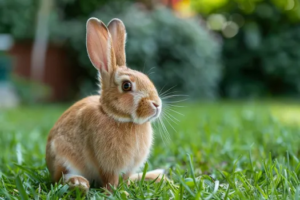
What to Do When a Rabbit Has Heatstroke
Rabbits overheat easily because of their thick coat and poor heat dissipation, and severe heatstroke can be fatal. Move a stricken rabbit to a cool, ventilated place, cool it with a damp towel, and prevent recurrence by keeping cages shaded, well-ventilated and supplied with plenty of water.

How to Tell Heatstroke and Wet Tail Apart in Hamsters
Both wet tail and heatstroke are serious and can be fatal in hamsters, and their symptoms look alike, so owners often mix them up and delay treatment. Here is how to tell the two apart.
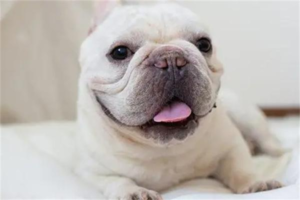
French Bulldog Heatstroke: Symptoms and What to Do
Heatstroke happens when a dog cannot regulate its body temperature in hot or humid conditions, causing dangerous overheating. As a short-nosed breed, French Bulldogs are especially prone to heat stress and breathing difficulty. An affected dog runs a temperature above 40°C with rapid breathing, red membranes, dry mouth, tongue extension, foaming, and even collapse — move it to shade, give water and electrolytes, and apply ice to the armpits, belly, and neck to cool it down.
How long after a dog’s heat period can it be bathed?
Bathe a week after the dog's heat ends. During heat, immunity and resistance drop, so reduce stress and illness risk. After heat, immunity is not yet back, so wait a week. When bathing, keep it warm with suitable water temperature and dry the coat quickly after.