Search Results
3409 results for “Heat”

Canadian Hairless
The Canadian Hairless, also called the Sphynx, is an extremely rare hairless genetic variant that appeared during the breeding of American or European domestic cats. Although it shares the skin pigment of domestic cats, its skin bears only a few hairs. With a wedge-shaped body, large ears, and a bulky frame, its head looks like Yoda's. The whole look makes it seem not cute but rather frightening compared with domestic cats.

Korat
The Korat cat, also called the Korat or Si-Sawat, originates from the Khorat Plateau in northwest Thailand and is an ancient breed. Introduced to the US in 1959 and recognized by American cat lovers in 1965, and by Britain 10 years later. Its coat, like the Russian Blue and Chartreux, is solid blue with no shading or pattern, with a silvery sheen, and it has a unique heart-shaped face.

Nebelung
The Nebelung is essentially a long-haired Russian Blue, a rare variant recognized by TICA in 1987 and hailed as the 'nobility of long-haired breeds.' Apart from its coat, it is identical to the Russian Blue. Quiet, shy, and gentle, yet intelligent and adaptable, it is well suited to calm households.

Tonkinese
The Tonkinese, also known as the Vietnamese cat, is not from Vietnam but a purebred short-haired breed produced by crossing the Siamese with the Burmese, first appearing in North America in the 1930s. With pointed coloring softer than the Siamese and a short, silky coat like the Burmese, the Tonkinese is famously affectionate, active, and people-oriented.

Persian
The Persian cat, also called Persian, Chinchilla, or Himalayan, with the Latin name Persian, represents nobility in people's minds. In China, most people's first pet cat was a Persian. However, most kept Persians are not purebred but non-purebred bred by merchants to meet the market; purebred Persians cost over a thousand dollars. Originating in Persia (Iran), it was developed in Britain over more than 100 years from Afghan longhair and Angora cats.

Siamese
The Siamese cat, also called the Thai cat, with English name Siamese, traces its origins to Thailand in the 14th century from non-purebred Asian cats. Once living in royal palaces and temples, it was later given as a diplomatic gift to other countries. Famous for its striking color points, blue almond eyes, and vocal, affectionate personality, the Siamese is a beloved and distinctive breed.

Birman
The Birman, also called the sacred cat of Burma, is a medium-sized cat with the Latin name Birman. Although now distributed worldwide, legend says they once lived only in Myanmar and were kept by temple monks; because they guarded the hall, they are considered temple guardian cats.

Why a Chinchilla Stops Eating and Drinking, and What to Do
A chinchilla that won't eat or drink may be overheated, constipated, picky, fed bad food, have overgrown teeth, or have a cold. Match the fix to the cause.
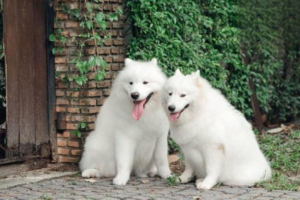
Why a Dog’s Gums Bleed
Bleeding gums can mean heat, injury, or gingivitis. Adjust the diet for heat, remove the object and disinfect for injury, and use meds or a vet for gingivitis.
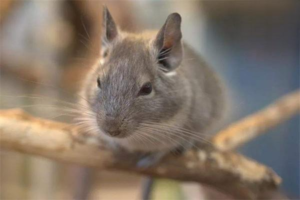
How to Handle a Chinchilla That Bites Its Fur
Fur-biting, or trichophagia, has nervous, genetic, and nutritional causes. Ensure good nutrition, a calm environment, and electrolyte supplements; isolate affected chinchillas.