Search Results
3409 results for “Heat”

How to Improve Rabbit Breeding Rate
To compete and profit, rabbit farms must raise quality and output. Here are ways to lift breeding rate and litter size.

Treatment and Care for Psittacosis (Parrot Fever)
Psittacosis causes watery diarrhea, poor appetite, and lethargy in birds, and is risky for chicks. Adults may recover. Learn the medication and nursing care.
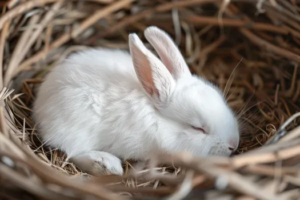
Essential Rabbit-Care Basics Every Owner Should Know
New owners often feel lost; without learning, rabbits are hard to keep alive. Here are the basics of rabbit care.

Best Time to Rebreed a Rabbit After Kindling
How many days after birth should a doe be bred again? Here are the three doe-mating methods to pick the best fit.

Can You Still Walk a Dog with Arthritis?
Light walking is good for a dog with arthritis: it relaxes the joints, supports a healthy weight, and preserves muscle. The key is to walk slowly, keep outings short and close to home, use a supportive harness, and stop if the dog resists. Swimming is another low-impact option worth trying.

What to Do When a Parrot Fluffs Up
Fluffing has many causes and isn't always illness. Normal stretches or temperature control need no action, but lethargy, vomiting, or shivering means a vet. Learn the causes and fixes.

Dog Behaviors That Are Easily Misunderstood
Because humans cannot speak dog language, many canine behaviors are puzzling and easily misread. A dog that looks away or walks off during a scolding is not being defiant—it is anxious and trying to calm itself. Learning to read dog body language helps owners avoid everyday misunderstandings and build a stronger bond.

Symptoms of Infectious Rhinitis in Rabbits
The clearest sign of infectious rhinitis is constant sneezing, later with thick, pus-like nasal discharge. Left untreated it can advance to pneumonia and death, so don't mistake ordinary dust-sneezing for the disease — especially if it only happens at mealtimes.

Occurrence Patterns of Rabbit Infectious Rhinitis
Infectious rhinitis in rabbits follows clear, predictable patterns. Incidence rises with higher stocking density, certain cage arrangements, the rearing method, the rabbit's breed and age, and seasonal temperature swings. Understanding these patterns helps breeders reduce outbreaks through better housing and management.

Common Causes and Medications for Cough in Dogs and Cats
A cough in dogs and cats can be dry or productive and stems from viruses, bacterial respiratory infection, parasites (heartworm, roundworm), irritants or foreign bodies. Treatment targets the cause — antivirals, antibiotics, dewormers, bronchodilators and cough suppressants — while vaccines, regular deworming and a clean, dust-free home prevent most cases.