Search Results
77 results for “Hearing loss”

Bull Terrier
The Bull Terrier, developed in 19th-century Britain, is a strong, muscular, and active dog. Though originally bred for dog fighting, its aggression toward other dogs has softened over time, while it remains devoted and gentle with people.

How to Care for an Elderly Guinea Pig
A guinea pig over 5 years is senior and faces falling immunity, calcium deficiency (cramps, brittle bones, broken teeth), hair loss, and weaker senses. Care with a warm, low-obstacle cage, senior food rich in vitamin C and calcium, soft textures, and extra companionship.

Somali
The Somali cat looks much like the Abyssinian—slender, slightly rounded, with big V-shaped ears and almond eyes—but with a semi-long, soft, dense coat. Developed in the US and Canada from a spontaneous long-haired mutation of the Abyssinian, the Somali is intelligent, gentle, playful, and water-loving, though its abundant coat needs regular grooming.
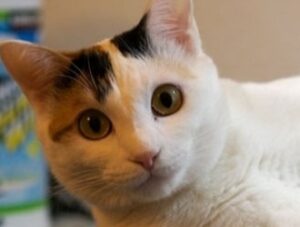
Japanese Bobtail
The Japanese Bobtail, also known as the Lucky Cat (Maneki-neko), is very popular in Japan. Cat lovers, upon hearing 'lucky,' want one. It is a native Japanese breed with a history tracing back centuries. Bred in the US after introduction, it is said an American cat lover in Japan found a cat with a short rabbit-like tail and brought several back after WWII; these are the ancestors. The Japanese Bobtail sits with one front paw raised, said to represent good fortune.

Peruvian Satin Guinea Pig
The Peruvian Satin guinea pig differs from other guinea pigs mainly in its coat, which grows toward the head and covers it, with a satin-like sheen. Its habits and diet are much like ordinary guinea pigs, but it is more delicate and prone to disease, so it is kept mainly as an ornamental pet.

5 Good-Looking, Easy-to-Keep Pet Rabbit Breeds
Rabbits are adorable and popular, but breeds vary. This guide highlights five attractive, beginner-friendly rabbits—Lionhead, Lop, Angora, Panda and Mini Rex—with notes on temperament and basic care.
Dog is vacant, seems not to hear its name, weak legs, walks in circles, doesn’t avoid obstacles, won’t drink
These signs show clear hearing and vision impairment. At home, do an obstacle and threat test — cover one eye, mimic a strike near the other; no blink means vision loss. With vacant behavior and no drinking, get brain CT/MRI and eye exams to rule out brain or nerve disease.
Why Do Cats Stare at the Wall?
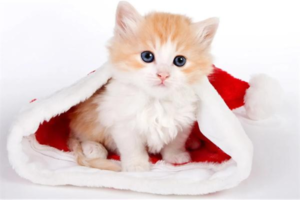
It is normal for a cat to stare at a blank wall - it may have seen or heard something that caught its attention. An occasional episode is usually nothing to worry about, but if your cat stares at the wall often and shows other unusual behaviors, take it seriously and have a vet check it to rule out illness.
Why Do Cats Breed with Their Mothers?
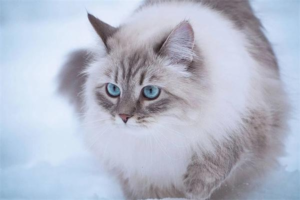
Cats mate with their mothers mainly because they have no concept of inbreeding—it is pure instinct, and without another partner during heat they will mate with the nearest relative. The harms are real: more genetic defects and disease, weaker immunity, and lower fertility. Owners should separate sexes at maturity and neuter if not breeding.
What does it look like when a dog has mites?
A few mites cause no issue, but when skin immunity drops and mite numbers rise, signs appear: redness, itching, dandruff, hair loss, odor. Ear mites cause head-shaking and dark ear discharge, possibly otitis. Demodex causes large hair loss and oily skin; scabies causes itch, hair loss, crusting. All need prompt medication.