Search Results
633 results for “Health, Breeding”

A Cat’s Life Stages and Care Tips
A cat's average life is about 15 years. Key stages: kitten (0-6 mo, wean and vaccinate), young adult (1-3 yr), adult (3-6 yr), mature (7-10 yr, senior food), senior (11-14 yr, yearly exams), and geriatric (15+ yr, twice-yearly vet visits). Spay/neuter if no breeding plan.
Why You Shouldn’t Feed Your Cat from a Plastic Bowl
Some plastic bowls leach BPA and phthalates into food when warmed or greased, risking long-term endocrine and liver harm. Scratched plastic also harbors bacteria that cause feline acne (black chin), and some cats are allergic to the material itself. Safer choices are lead-free ceramic, food-grade stainless steel (304/316), or glass.
Top 5 Dog Breeds With the Worst Body Odor
Strong dog odor usually comes from two traits: many skin folds and a larger body. Wrinkly breeds like Pugs and Bulldogs top the list, while Poodles, Bichons, and Shibas stay fresh. Regular baths, ear cleaning, teeth brushing, and monthly gland expression keep any dog smelling clean.

Early Signs of Osteochondrodysplasia in Scottish Fold Cats
Scottish Folds carry a genetic cartilage disorder (OCD); early signs include growing laziness, a stiff tail that won't bend or swish, odd hind-leg posture, long sits in strange poses, mood changes, and joint pain on touch (especially hind legs). There's no cure, but early care helps: vet checks, anti-inflammatory pain meds plus chondroitin/glucosamine/vitamin D, weight control, gentle exercise, and Omega-3. Any Fold will develop it — just at different ages and severity — so think carefully before breeding or buying.

What to Do About a Dog’s Herniated Disc
Intervertebral disc disease (IVDD) comes from injury, poor exercise, genetics, or lumbosacral abnormalities, and is common in dachshunds, chihuahuas, and corgis. Signs include reluctance to move, abnormal gait, and an arched back. See a vet promptly; treatment is medical or surgical.

Why Does a Rabbit Keep Making ‘Puff Puff’ Sounds
A rabbit's 'puff puff' sound is usually sneezing or a mild breathing noise from excitement. Causes include allergies (dust, pollen, cleaners, food), respiratory infection (with discharge, cough, appetite loss), poor air quality, or a nasal foreign body like a hair. Clean the environment and see a vet if it persists with other symptoms.

Why Male Cats Lose Weight After Going Into Heat
Intact male cats often drop weight during mating season because rising sex hormones suppress appetite, anxiety burns energy, and constant restlessness drains calories faster than they eat. The reliable fix is neutering, which ends the cycle and lowers the risk of reproductive disease. If you're not breeding him, keep him active and offer tempting, palatable food to maintain condition.

How to Prevent Rabbit Hemorrhagic Disease (Rabbit Fever)
Preventing rabbit hemorrhagic disease relies on four pillars: management, vaccination, cross-infection control, and emergency response. Strict sanitation, regular single-strain vaccination, quarantining new rabbits, and banning visitors and stock from infected areas sharply cut outbreak and death rates.

How to Choose the Right Hamster Food
Choosing hamster food comes down to a few key points. Favor reputable commercial brands with good palatability and processing, and pick a mix of formulated pellets plus natural grains for balanced nutrition. Check the label: protein around 15–20% (higher for pups), crude fat near 6%, crude fiber 8–10%, and a calcium-to-phosphorus ratio of about 1:1 to 2:1. Always check production dates and store food dry and away from sunlight. Finally, match the formula to your hamster's life stage—pups, adults, and seniors have different needs, and special formulas exist for conditions like diabetes or coat health.
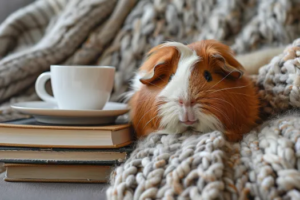
What to Do When Your Hamster Chews the Cage and Keeps You Awake
Hamsters gnaw on their cages out of natural needs—filing their continuously growing teeth, relieving anxiety, mating energy, or plain curiosity—not out of bad behavior. Give them a larger cage, plenty of toys and safe chewing items, a steady daily routine, and a calm, quiet spot to cut the noise and protect their health.