Search Results
633 results for “Health, Breeding”

What Are the Symptoms of a Dog in Heat (Estrus)?
Male dogs in heat: frequent urination to mark territory; strong interest in females; restlessness and agitation; mild aggression; attempts to escape. Females: vaginal bleeding or discharge; raised tail exposing genitalia; clinginess and interest in males; possible appetite loss and anxiety. During heat, leash tightly to avoid mating or fights. If you don't plan to breed, consider spaying/neutering to avoid health and breeding risks.

Why Dogs Lose Appetite and What to Do
Dogs may refuse food for many reasons - unpalatable meals, physical discomfort, indigestion, illness, internal parasites, or being in heat. Identify the specific cause and respond accordingly. If the problem is food- or stomach-related, adjusting the diet and aiding digestion usually helps; if it is illness, prompt veterinary care is needed.

How to Discipline an Overly Playful Cat
An overly playful cat usually has excess energy or wants attention. Cats need daily activity; without it they act out to burn energy. A long-ignored cat may misbehave to draw notice. Beyond play and toys, punish bad behavior on the spot with fair, consistent correction, and consider spaying or neutering a hot-tempered cat, which usually calms it.

Goldfish Care Before and After Spawning
Before spawning, prepare a disinfected separate breeding tank with plants or a spawning mop, and keep a male:female ratio of 2:3 or 2:4. After laying and fertilization, remove the parents and keep water at 15-20C to hatch in 3-7 days. Feed fry yolk 2-3 days after hatching; keep oxygen ample and avoid water changes.
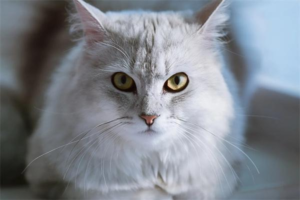
What Happens If a Cat Breeds Too Often?
While unspayed, constantly in-heat cats risk pyometra, mammary tumors, and ovarian cysts, too-frequent pregnancy and birth also heavily burden the mother. This article explains the effects of frequent breeding so owners limit litters.

How Many Litters Can a Cat Have a Year, and in a Lifetime?
A cat can have up to 4 litters a year, but too-frequent birth harms the mother, so breed responsibly—don't turn her into a kitten factory. This article covers safe breeding frequency and post-birth care.

What Causes an Arowana to Stop Eating?
Many things cause refusal: bad or old water, indigestion, big environment changes, illness—and some arowana stop seasonally. Find the real cause for your fish. This article lists the common reasons.

Why Your Dog’s Coat Loses Its Shine
A dull coat often signals health or care problems—poor diet, lack of sunlight, bad washing habits, or simply aging. Regular brushing, sensible sun exposure, and supplements like lecithin restore coat health and gloss.

When Do Corgis Go Into Heat, and When Can They Be Bred?
Corgis usually have their first heat at 6–8 months, but breeding too early harms development. Wait until the second heat (around 1.5 years) or later, and time mating to the right days using physical signs for the best results.

Key Techniques for Raising Rabbits
Whether for meat, wool, or as a pet, rabbits need scientific care: a fiber-rich diet in small frequent meals, clean non-tap drinking water, a steady 20°C environment, and strict hygiene with 12–15 hours of light. Master these to keep rabbits healthy.