Search Results
782 results for “Gastroenteritis”
What medicine should I give a cat that is vomiting?
Cat vomiting can be caused by hairballs, internal parasites, gastroenteritis, pancreatitis or feline distemper, so do not give medicine at random before the cause is known. If the cat is otherwise normal and the vomit contains hair or threads, try hairball paste and observe. If there is no improvement, withhold food and water for half a day, then give pet anti-inflammatory and anti-vomiting medication.
Dog Farts a Lot and They Stink? It May Be a Gut Problem
Occasional gas is normal (10–15 times a day), but frequent, foul gas points to poor digestion, fast eating, or gut-flora imbalance. Choose an easy-to-digest food with fresh meat and no grains or legumes, feed on a schedule, use a slow-feeder bowl, and add a pet probiotic. If gas comes with vomiting, diarrhea, a hard swollen belly, or pain, it could be pancreatitis, gastroenteritis, or parasites — see a vet.

Why Is My Dog Refusing to Eat?
A dog may stop eating because of illness, unsuitable or suddenly changed food, weather or environment shifts, stress, old age, vaccine or medication effects, or heat cycles. Treat disease-related refusal with a vet visit, and address stress-related refusal with comfort and routine.
What should I do if my cat vomits?
Cat vomiting can stem from hairballs, indigestion, gastroenteritis, pancreatitis, parasites, or panleukopenia. For infrequent vomiting, try probiotics and watch the vomit; frequent vomiting needs a vet.
What should I do if my young puppy has intestinal distress (“flipped intestines”)?
A few-month-old puppy with "flipped intestines" may have caught canine parvovirus; if unvaccinated, get a virus test at the vet first. If no virus, it's usually gastroenteritis or intestinal parasites — do a fecal exam and use a targeted dewormer, then feed probiotics. For gastroenteritis, use pet anti-inflammatory and anti-diarrhea medication and keep the diet light.

The Downsides of Owning a Pet
Pet ownership brings costs, time, shedding, odor, zoonotic-disease risk, bites, noise, lost sleep, and the pain of saying goodbye (dogs live 10-15 years, cats 12-18). Think it through before you commit — and once you do, take responsibility for life.
What Causes Pancreatitis in Dogs?
Dog pancreatitis has many causes: fatty or high-carb meals, overeating, obesity, infections, some medications, and certain at-risk breeds. Keeping the diet lean, the weight healthy, and scheduling annual checks for seniors are the best defenses.
What medicine should I give my dog after it vomits?
Occasional vomiting from hunger or overeating needs no drug; try small bland meals or probiotics after a short fast. Frequent vomiting needs a vet to rule out serious causes.
What if my dog is pooping blood but still energetic?
Even an energetic dog with bloody stool may have parvovirus, leptospirosis, parasites, or gut disease. A fecal test and vet visit are needed, since the cause ranges from worms to serious infections.
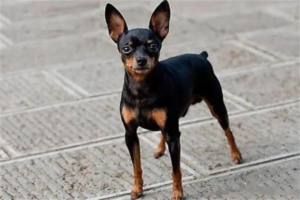
What to Do When Your Dog Eats but Doesn’t Gain Weight
A dog that eats but stays thin may have low-quality or single-food diet, too little food, too little exercise, an illness (parasites, hepatitis, kidney disease, hyperthyroidism, gastroenteritis), or stress. Feed a rich, high-quality diet in small frequent meals, exercise daily, and see a vet if it's underweight or shows other symptoms.