Search Results
478 results for “FIV”

Why Pets Drool: Stomatitis and Periodontal Disease
Persistent drooling often points to mouth inflammation. Stomatitis can be contagious (virus-linked) and, in cats, often lifelong — a red line forms where gum meets tooth, with constant drooling. As it worsens, ulcers grow, the cat may stop eating and lose weight. Periodontitis, driven by bacteria and tartar, also causes drooling, bad breath, and tooth loss. Diagnosis needs an oral exam (often under anesthesia) and dental X-rays; treatment ranges from antibacterial rinses to antibiotics and, in severe tartar cases, extraction.
The Six Essential Nutrients Every Cat Needs
Like all mammals, cats need six nutrients to stay healthy: protein, carbohydrates, fat, minerals, vitamins, and water. Except for water, these must come from a balanced cat food rather than being offered separately. Each nutrient plays a distinct but interlocking role—protein builds and repairs tissue, fat supplies concentrated energy, and vitamins support everyday function. This article explains what each nutrient does, why animal protein suits cats best, and a key caution: raw fish and raw meat can rob cats of vitamin B1 and invite parasites, so always cook them and choose a complete, well-labeled commercial diet.

Recipe: Raw Beef Cat Meal
A raw beef cat meal is a balanced staple you can make in under five minutes. Dice 200 g beef tenderloin, 50 g beef heart, and 30 g beef liver, then mix in supplements — taurine, calcium carbonate, multivitamin, salmon oil, probiotics, and a vegetable/fruit puree (under 5% of the total) with alfalfa and kelp powder. Because this is a boneless "edited" raw diet, calcium is essential. Stir well with a little cooled boiled water and serve.

Why Cats Spend So Much Time Grooming
Grooming is second nature to cats: an adult cat spends 15% to 50% of its day licking its coat, starting as early as four weeks old. It is far more than staying clean. Grooming clears dirt and spreads natural oils, helps regulate body temperature, hides foreign scents, communicates affection, relieves stress, and even helps wounds — though vets warn against licking injuries. Heavy over-grooming that causes bald spots, or biting at the skin, can signal a skin disease or fleas, so it also works as an early warning system.

Naming Your Tibetan Mastiff: Tips and Ideas
The Tibetan Mastiff is one of the world's most famous and majestic dog breeds, once kept only by Tibetan nobility and monastery owners and often called the 'Oriental Lion Dog.' Because a dog's name, once chosen, usually cannot be changed, picking the right one deserves the same seriousness as naming a child. This guide walks through practical ways to name your Tibetan Mastiff—from easy-to-pronounce sounds to names inspired by notable figures, the breed's heritage, your favorite foods, or a more personal touch—so you and your pup both feel good about the call.

What Are the Symptoms of Epilepsy in Dogs?
Epilepsy is a condition marked by repeated seizures that can range from brief, mild episodes to severe ones that last a long time and recur often. Because seizures take many forms and can be triggered by a wide range of underlying diseases, spotting the four key signs helps dog owners respond correctly. A seizure may be generalized, causing a dog to collapse and paddle with no awareness of its surroundings, or focal, affecting only one part of the body. Dogs often show subtle restlessness beforehand, and may seem confused and unsteady afterward. Many illnesses can cause seizures, so a vet must rule out each one. Most seizures are not immediately dangerous, but any episode lasting over five minutes needs emergency care.
My puppy ate two raisins and had diarrhea but seems fine — will he be okay?
Diarrhea after eating raisins means an immediate vet visit. If tests rule out organ damage and the dog is energetic, oral probiotics or symptomatic care usually leads to recovery in 3–5 days. Raisins and grapes contain cyanogenic compounds dogs cannot metabolize; enough of them destroys hemoglobin and causes anemia and kidney failure, and even a small amount can upset a small dog's gut.

Top 5 Dog Breeds That Love to Bark—and What to Do
Some dogs are born loud. The Chihuahua, Beagle, Corgi, Pomeranian, and Yorkie top the list of natural talkers, driven by insecurity, hunting instinct, territoriality, or separation anxiety. None of this is hopeless—steady training, enough exercise, independence building, and careful desensitization to triggers can quiet even a chronic barker. Know the breed's voice before you bring one home.
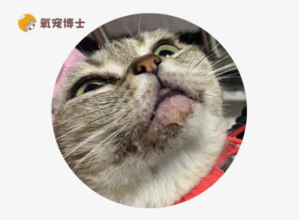
Why Do Cats Get Stomatitis?
Feline stomatitis is a painful, chronic, immune-driven inflammation of the mouth—not just sore gums. Calicivirus and autoimmune disease are the usual triggers, while other viruses, plaque, breed, stress, and poor nutrition add risk. Because it hurts to eat, cats waste away, so finding the cause matters; for stubborn cases, full-mouth extraction often brings lasting relief.

How Feline Chlamydial Pneumonia Develops
Feline chlamydial pneumonia is a highly contagious but uncommon cat disease, well covered by routine vaccination, so regularly vaccinated cats rarely catch it. It spreads through eye, nose and mouth secretions on shared bowls, cages or hands, and by sneezing. It starts as conjunctivitis and, left untreated, can advance to fever, pneumonia and infections of the airways or reproductive tract. Antibiotic eye ointment and oral antibiotics clear it, but recovered cats still carry and shed the organism, so isolation matters.