Search Results
478 results for “FIV”

How to Convert Cat Years to Human Years
There is no perfectly scientific cat-to-human age chart, but the common rule beats the old 'one year equals seven' myth. A cat's first two years cover roughly a person's first 25 years, and after that each cat year is about four human years. That maps onto clear life stages: a kitten under six months, a 'teen' from seven months to two years, a prime adult of three to six, a mature cat of seven to ten, and a senior from ten to fifteen-plus. Pet cats average 12-15 years; the recorded oldest reached 38 years and 3 days, and Siamese tend to live longest.

Why Dogs Shake Toys Side to Side
Shaking a toy mimics killing prey—dogs' front paws are less dexterous than a cat's, so the head shake helps tear meat. But if a dog shakes not just plush toys but also furniture, doors, and floors, the owner likely isn't meeting its needs. Most destruction comes from unmet daily exercise or too little companionship. Separation anxiety makes it chew items smelling of you (shoes, socks). The real fix is the root cause: spend more time with the dog—one extra hour a day is a week of extra happiness for an indoor dog.
Recipe: Chicken Paste for Cats
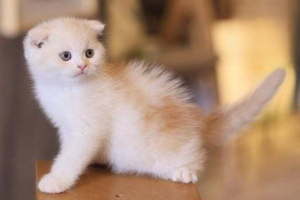
Chicken paste is one of the easiest homemade cat foods to make, and its soft texture makes it ideal for kittens, older cats, or any cat that needs extra hydration. Poach a chicken breast in water for about five minutes, then blend the meat and broth together for a minute or two until smooth. The result is a gentle, high-protein meal you can serve on its own or stir into a cat's regular food.
Recipe: Duck Jerky Cat Treats
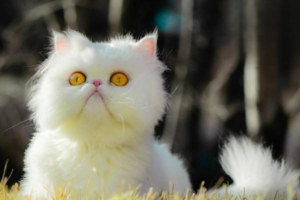
Duck jerky is one of the simplest homemade cat treats, and duck is a lean, novel protein that many cats enjoy. The method is easy: slice duck breast into strips, dehydrate at 68°C for about eight hours, and store it dry at room temperature. Five hundred grams of raw breast shrinks to roughly 100 g once dried, so a batch goes a long way as an occasional reward that also helps with teeth.
A Science-Based Cat Care Guide by Life Stage
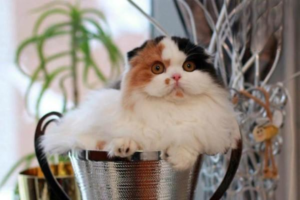
Care changes with age. Milk kittens (0–2 months, 100–700 g) stay with mom, start socializing at 3 weeks, and get their first vaccine. Juveniles (3 months–1.5 years, 1–5.5 kg) need socialization, vaccines, deworming, rich food, and spay/neuter. Adults (1.5–7 years) need ongoing prevention, diet control, seasonal care, and play. Seniors (~7 years) need high-nutrient digestible food, a stress-free home, and more frequent checkups. As a rule of thumb, a cat's first year equals a human's 16–18, then each year adds about four or five.

Which Vaccines Does Your Own Cat Need?
Even indoor cats need the core FVRCP vaccine—owners, supplies, and pet-store visits can carry viruses home. Core shots cover panleukopenia (distemper), calicivirus, and herpes (rhinotracheitis); the first dose is never skippable. Non-core vaccines (FeLV, FIV, FIP, chlamydia, Bordetella, rabies) depend on risk. Follow AAFP siting: FVRCP right front leg, FeLV left front, rabies right hind. First immunity is two shots a month apart, then a booster about a year later; many vets now booster every three years, not annually.

Recipe: How to Make Kelp Powder for Cat Food
Kelp powder is a simple, mineral-rich topper for homemade cat food, yet many owners aren't sure how to make it. Dried kelp carries iodine and more than sixty trace minerals plus 21 amino acids, and as a 'sea vegetable' it supports healthy metabolism — something heavily processed pet foods often lack in a usable form. The method takes under five minutes: tear dried kelp, grind it fine, and feed about 1 g a day. Because the taste is mild, mix it into the cat's meal rather than serving it alone.

How to Make Alfalfa Powder for Homemade Cat Food
Alfalfa powder is a simple, nutrient-rich topper for homemade cat food, yet many owners aren't sure how to make it. The process is quick: a handful of alfalfa, a few seconds in a grinder, and it's done in under five minutes. Alfalfa grows on fertile soil with roots that reach deep for minerals, and as a dried plant it keeps its enzymes and is packed with vitamins A, B, C, D, E, and K plus antioxidants that aid digestion. A teaspoon a day for a 4-5 kg cat is plenty, and it stores dry at room temperature.
Why Is My Golden Hamster Squeaking Constantly?
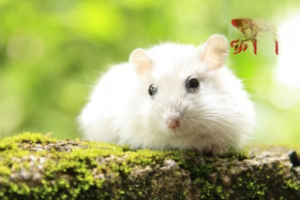
Golden hamsters are normally quiet creatures that sleep by day and run on their wheel by night, so constant squeaking is a signal worth reading. It can be completely harmless—a dream, a startle, or a sulk—or it can mean real distress from illness, injury, or a perceived predator nearby. Because the tone differs between a content chirp and a pained wail, owners should learn to tell them apart. This guide covers the five common reasons a hamster cries out and when a vet visit is the right call.

Keep These Cleaning Products Away from Your Dog
Household cleaners carry more hazardous chemicals than you think, and they are far worse for dogs. Dogs spend nearly all their time on the floor, touching cleaners directly and absorbing them through paw pads and skin; even off the floor, their keen noses inhale the toxins. Five chemical groups to watch: ammonia (toxic, irritates the respiratory system; in glass/stainless cleaners, floor wax)—seek vet care if ingested. Chlorine/bleach (vomiting, diarrhea, burns, even seizures; in toilet/mold cleaners, detergent). Phthalates (linked to liver, testicular, pancreatic tumors; in nail polish, hairspray, soap, shampoo—avoid in dog toys). Glycol ethers (liver, nerve, digestive harm; in multipurpose/carpet/glass cleaners, hand soap; even 'natural' ones). Formaldehyde (irritates eyes/skin, slows breathing; in perfume, tissues, hand soap, nail polish). Also avoid 84 disinfectant (bleach-based, corrosive, causes chronic rhinitis).