Search Results
478 results for “FIV”
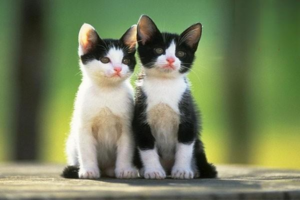
What Are the Benefits of Neutering Your Cat?
Neutering curbs estrogen-driven behaviors, making a cat calmer and easier to live with, and — when done before age five — can extend its lifespan by avoiding the physical toll of repeated heat and breeding. Watch the incision site afterward: mild inflammation needs daily disinfection with an E-collar, while a widening wound or pus means a vet visit for possible re-suturing.

Is Canine Hip Dysplasia a Joint Disorder?
Hip dysplasia is a hereditary condition where the socket and ball of the joint no longer fit and move together properly. Affected dogs limp, bunny-hop, rise slowly, and struggle with stairs; large breeds often show clear signs by age four or five. Manage it with early screening, limited exercise, and keeping the joint warm and dry.

Caring for a Cat with a Sensitive Stomach
A sensitive-stomach cat isn't sick but stays thin and prone to vomiting and diarrhea because poor absorption starves it of nutrients. Steady, easy-to-digest food (no frequent switches), set meal sizes, fresh water, probiotics, and a regular deworming schedule are what keep it healthy.

What to Do When a Kitten Catches a Cold
Kittens catch colds easily from seasonal changes or contact with sick cats, and the smallest ones have the weakest immunity. Watch for a dry, warm nose, sneezing, coughing, runny eyes, and loss of appetite, then check the temperature, adjust the diet, encourage sunlight and ventilation, and use cold medication as needed.

Do You Need a Rabies Vaccine After a Ragdoll Cat Scratches or Bites You?
A cat kept strictly indoors with no exposure to stray animals and vaccinated within the past year poses almost no rabies risk, so a scratch or bite usually needs only washing and disinfection. Worldwide, dogs cause about 99% of human rabies cases and cats under 1%, and a cat can only pass the virus during the three days before symptoms appear and while it is sick. When the source cat is unknown, follow the WHO 10-day observation rule and seek vaccination for any bite that breaks the skin.

Dog Skin Fungal Disease (Dermatophytosis)
Most dog skin fungal disease is caused by Microsporum canis, whose spores survive for years in the environment, so infection is stubborn and contagious. Treatment combines topical and oral antifungals with medicated baths, and recovery takes one to four weeks depending on severity.

How Canine Infectious Hepatitis Spreads and How to Prevent It
Canine infectious hepatitis spreads through the saliva, urine, and feces of sick or recovered carrier dogs — the virus survives in the environment for 6–9 months, with unvaccinated puppies at highest risk. Vaccination from 45 days of age plus strict hygiene and isolation are the keys to prevention.

Why a Kitten Won’t Eat Kibble but Keeps Meowing
A kitten that refuses kibble yet cries is often just too young (under 2–3 months), new to kibble, or switched too fast; soften food with goat milk or mix old and new brands. Going more than five days without food risks fatty liver, so find the cause quickly.

Why Does My Dog’s Poop Smell So Bad?
Dog stool is naturally a little smelly, but truly foul poop signals a digestive problem — rich or messy food, weak gut function, constipation, spoiled food, or even parvovirus or coronavirus. First simplify the diet and check the kibble for spoilage, then add water, exercise, and probiotics; if appetite, vomiting, or lethargy appear, see a vet.

What to Do When a Dog Has Diarrhea After a Food Change
Diarrhea when switching dog food is mainly because the dog's intestines temporarily cannot accept the new food. In addition, the owner needs to judge the dog's mental state and eating condition, because diarrhea from a food change generally does not show lethargy or loss of appetite; if other symptoms appear, seek veterinary care promptly.