Search Results
6122 results for “FIC”

Dog Passed No Worms After Dewormer—Did It Fail?
Not seeing worms in the stool after a dewormer doesn't mean it didn't work. Modern dewormers break down parasites inside the gut so they're absorbed or passed invisibly, and many infections are simply too light—or involve microscopic protozoa—to ever show. Visible worms usually mean a heavy prior infection. The real proof is your dog's condition and a fecal exam, not what you see in the tray.

What Happens When a Cat Lacks Vitamin C
Long-term lack of vitamin C gives a cat scurvy: low spirit, poor appetite, anemia, weight loss and easy bleeding or skin inflammation. As it worsens, gums swell and bleed, wounds heal poorly, and in severe cases cheeks and tongue ulcerate or die back, with joint pain and bleeding in the bladder, gut, kidney or nose. Treat with oral or injected vitamin C plus symptomatic care, and prevent it with a balanced, complete diet, since processing destroys much of the vitamin in food.

How to Feed a Nursing Mother Cat
A mother cat loses large amounts of nutrients to her kittens while pregnant and nursing, so she needs extra protein, fat, vitamins and minerals to keep milk quality up and avoid weakness or postpartum tremors. Choose a lactation-formula cat food, feed small meals often since she moves little, and offer goat milk, nutrient paste, chicken, canned food, beef or fish broth as toppers. If she loses appetite or trembles, a vet can confirm calcium deficiency and prescribe pet calcium with vitamin D.
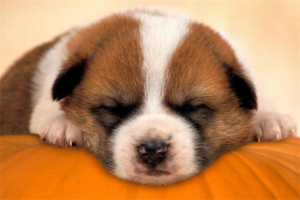
Keeping Your Dog Free of Skin Problems in Summer
Summer's heat and humidity breed bacteria and parasites, so skin trouble spikes. Bathe and dry the coat with a pet shampoo, avoid strong midday sun to prevent burns, and keep the living space clean and dry. Use a monthly topical preventive with selamectin or fipronil to block fleas, lice, mites and ticks, and feed vitamins and protein to lift immunity. See a vet for itching, hair loss or rashes.

Why Do Rabbits Eat Their Own Droppings?
It is normal and harmless for a rabbit to eat its droppings. Rabbits pass hard pellets by day and soft, nutrient-rich cecotropes at night, and eating the soft ones recycles undigested fibre and nutrients, much of it from hay they could not fully break down the first time. The extra fibre also helps prevent diarrhea. Owners need not worry, though sudden diarrhea still calls for better diet, warmth and calm to avoid stress.

How to Bathe a Rabbit Safely
Rabbits are timid and easily stressed, and a bath can lead to chilling and illness, so avoid frequent washing. For light dirt, spot-clean with a warm damp towel or use dry shampoo powder. Bathe only when truly dirty, using rabbit-specific products and drying the coat fully afterward. Never bathe a rabbit under six months or one that is sick or has diarrhea, and keep the ears dry to prevent infection.

Should You Microchip Your Dog?
Microchipping a dog is well worth it. A lost dog can be scanned to reveal its owner's contact and address, greatly raising the chance of a safe return, and in some areas a chip is required for the pet license. The chip is rice-sized, injected quickly under the skin of the neck with no anaesthesia, causes only a brief pinch, and stays put far more reliably than a collar tag. It also stores vaccine and health records, helping both reunion and city-wide pet management.
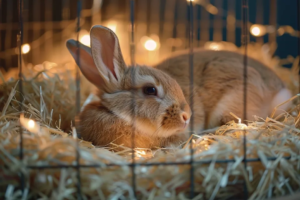
Understanding a Rabbit’s Physical Traits
Rabbits are built for alertness and quick escape. Their freely rotating ears carry dense blood vessels that release heat and give keen hearing, while eyes set on the sides of the head give a near 300-degree view, though daytime sight is weak. A constantly twitching nose reads scent, whiskers map nearby objects, and 28 ever-growing teeth demand constant chewing. Strong hind legs power leaps, a fragile skeleton needs careful handling, and body size ranges from under 2 kg to 8 kg across small, medium and large types.
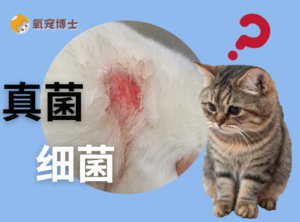
Cat Skin Redness and Hair Loss: Fungal or Bacterial?
A cat's skin normally carries small amounts of bacteria and fungi that only cause trouble when the skin barrier breaks. Fungal infection, usually Microsporum canis, shows as ring-shaped hair loss with a red raised edge and dry scales, and spreads slowly. Bacterial infection is usually secondary—after a scratch, bite, mite, or allergy—and appears as pustules and fast-growing ulcers. Telling them apart guides the right treatment.

Why Does Dog Poop Start Dry Then Turn Loose?
When a dog's stool is dry at the start and loose at the end, it means the gut absorbed water unevenly: the first part sat long and dried out, while the last part moved through too fast to dry. Common, mild causes are diet change, holding stool too long, stress, or gut-flora imbalance. Persistent cases or those with blood, vomiting, or pain can signal megacolon, colitis, or other illness and need a vet.