Search Results
6122 results for “FIC”

Why Does Your Dog Keep Passing Smelly Gas?
A few farts a day are normal—gut bacteria make gas as they ferment food. But frequent, foul gas points to diet, fast eating that swallows air, an unbalanced gut flora, or illness like IBD, pancreatic trouble, or parasites. Fix it with a quality low-filler diet, a slow-feeder bowl, daily exercise, belly massage, and pet probiotics. If gas comes with diarrhea, vomiting, or weight loss, see a vet.

Why Does Your Kitten Swallow Food Without Chewing?
Cats barely chew—and that's normal. Their wild ancestors tore prey into chunks and swallowed fast to avoid theft, and their teeth shear rather than grind. The risks are real, though: eating too fast brings vomiting, choking, and more tartar. Teach chewing with chew treats and slow-feeder bowls, switch to dental kibble or softened food, and give a calm, separate eating spot plus regular toothbrushing to protect oral health.

Senior Dog Vision Fading? Foods That Protect the Eyes
Eye disease is common in dogs—conjunctivitis, keratitis, glaucoma, cataracts—and over half of dogs past ten develop cataracts. Diet can slow that decline. Vitamin A from liver and carrot supports night vision; antioxidants like lutein, vitamins C and E, and anthocyanins guard the retina; omega-3 from fish eases dryness. Avoid overdoing vitamin A or raw food, and get seniors checked yearly.
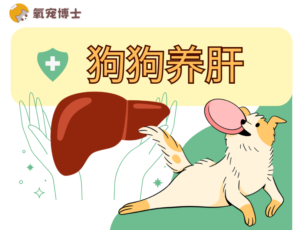
Foods That Support Your Dog’s Liver
The liver filters toxins, stores nutrients, and makes bile, yet it stays silent until heavily damaged—so daily support matters. Quality protein, cruciferous vegetables, and berries aid detoxification, while milk thistle, dandelion root, and omega-3s protect cells. Just as vital is what to skip: fatty foods, toxic items like chocolate, onion, and grapes, and human medicines that strain or poison the liver. Keep water flowing and weight healthy.
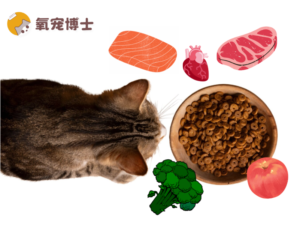
What to Feed Your Cat for a Healthy Heart
A cat's heart health rests heavily on diet. Taurine, omega-3s, L-carnitine, and vitamins E and C are the nutrients that protect the myocardium and slow decline—found in organ meat, lean poultry, salmon, and vegetables like broccoli and spinach. Just as important is what to avoid: salty, fatty, and high-cholesterol foods that strain the heart. Senior and high-risk purebred cats need regular checkups at the first sign of breathlessness.
My dog’s eye was bumped, is swollen, and now shows no response
For a minor eye injury with swelling, check for foreign objects and use pet anti-inflammatory eye drops. If swelling persists or pain, tearing, or blurred vision appear, see a vet.
My cat’s leg wound has been infected for 3 months, scabbed over, then ulcerated again
An infected, pus-discharging wound needs veterinary debridement. Flush with saline or hydrogen peroxide, disinfect with iodine, apply pet wound medication and bandage, and give oral anti-inflammatories. Keep an Elizabethan collar on to prevent licking.
What medicine helps my dog’s tear stains heal faster?
Tear stains have different causes — blocked tear ducts, conjunctivitis, keratitis — so there is no single 'pill' that fixes them. Massage the tear glands, use an eye-care gel, and for inflammation use pet-specific antibiotic eye drops or ointment; the exact treatment depends on the diagnosed cause.
Will my cat’s eye inflammation heal on its own?
Mild inflammation from a foreign-body irritant may settle once the irritant is removed, but infection-driven inflammation usually won't self-heal. Treat promptly — bacterial infections need pet antibiotic eye drops, viral ones need antiviral drops.
How do I remove my cat’s tear stains?
Removing tear stains means daily cleaning, diet tweaks, and — above all — finding and treating the root cause: eye inflammation, blocked tear ducts, ingrown lashes, irritants, ear mites or poor diet. Wipe the eyes daily with a clean cloth or cotton ball dampened with warm water.