Search Results
6122 results for “FIC”
Can a Chinchilla Eat Only Alfalfa Hay?
Feeding a chinchilla only alfalfa long-term leads to poor nutrition and health problems. Chinchillas are omnivores that need variety—grass hay, dried fruit, nuts, vegetables, and fruit—to meet all their needs. Needs also change with age: youngsters need more protein and calcium for fast growth, while adults need high-fiber hay to aid digestion and wear their teeth. Use alfalfa mainly for juveniles and shift adults toward timothy hay.

How to Prevent Folliculitis in Dogs
Folliculitis—red, flaky, itchy skin with hair loss—is common in long, short, and hairless dogs alike, but you can lower the risk. Keep the skin clean with dog-specific, lukewarm baths at the right frequency (over-bathing damages the barrier); check the coat and skin weekly for redness, sores, or bald patches; feed quality, balanced food and skip table scraps that trigger obesity and hormone issues; give outdoor exercise to boost circulation and immunity; avoid over-brushing or over-clipping that breaks the skin barrier; and control external parasites with regular deworming. For a dog already affected, keep its space dry and clean, use gentle products, and see a vet promptly for severe signs like pus or intense itching—treatment is usually antibiotics, anti-inflammatories, or topical antiseptics.
Are Combined Flea-and-Worm Treatments Right for Your Dog?
Combined spot-on treatments protect against many internal and external parasites in one dose, which is why they are a top choice for busy owners. But they are not universal—many don't cover ticks or tapeworms, and timing matters. This guide explains how they work, how to match the active ingredients to your dog's risks, and how often to dose.
What Does Ringworm Look Like Under a Wood’s Lamp?
When a cat loses fur, flakes, or develops bumps, many owners grab a flashlight to check for ringworm—but a normal torch shows nothing. Only a Wood's lamp makes the fungus fluoresce, and even then you can be fooled by false positives. Learn what true apple-green glow looks like, the classic symptoms, and why a negative lamp never rules ringworm out.
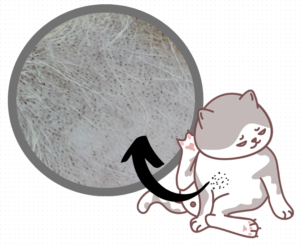
What Are the Black Dots on My Cat’s Skin?
Those little black specks on your cat's chin, tail, or belly are usually the early sign of folliculitis—clogged, infected hair follicles that look like human blackheads. It is common, mild, and very treatable with gentle local cleaning, a lighter diet, and a few daily-habit tweaks. Here is how to recognize it and clear it up.

What Happens When a Cat Lacks Taurine?
Taurine is a nutrient cats cannot make on their own—they must get it from food, so a shortfall quickly harms health. It is vital for eyes and heart: deficiency degenerates the retina and causes irreversible blindness, and it is a leading cause of dilated cardiomyopathy, which improves if caught early but worsens without it. Taurine also powers metabolism and immunity, aids digestion by boosting stomach acid and protein absorption, and supports reproduction—a deficient pregnant cat risks weak, slow-growing, high-mortality kittens. Because cats can't synthesize it, feed taurine-rich foods like organ meat, muscle, and some seafood.
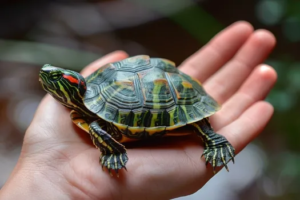
Why Is My Turtle’s Shell Rotting?
A rotting shell loses the turtle its main shield, and it usually comes from imbalance: poor diet short on vitamins and minerals, skipped cleaning that lets bacteria and parasites invade, too little light and wrong temperatures, or untreated scrapes that get infected. Feed a complete, balanced diet; rinse the shell weekly and keep the tank water fresh to stop bacteria; give proper sunlight—it disinfects—and steady warmth; and pad the enclosure so the shell isn't injured. If you spot damage, treat it early before infection spreads. Steady, careful care is what keeps a turtle's shell sound.

Do Guinea Pigs Need Baths?
Yes—guinea pigs need baths. As small pets they live in easily soiled spaces, and without regular washing, dirt builds up, they smell, and health suffers. A bath cleans the coat, cuts bacteria and parasites, and lowers disease risk, and it is also a nice bonding moment where you learn your pet's habits. Aim for 2–3 baths a month; over-bathing strips the skin's natural barrier and causes dryness and itching. Use lukewarm water (35–38°C), guinea-pig-specific tub and shampoo—never human products—and dry thoroughly with a towel and low-heat dryer to prevent chills. For pigs that hate water, a wipe-down with a damp cloth or pet cleaning spray works too.

Symptoms and Treatment of One-Eye Cold in Parrots
One-eye cold is a common contagious eye condition in parrots, marked by swollen conjunctiva, watery discharge, lethargy, reduced appetite, and weakness, with respiratory signs in severe cases. If you notice these symptoms, take them seriously and treat promptly. Care begins with isolating the sick bird and disinfecting the cage, then gently cleaning the eye and applying bird-specific drops such as bird-specific eye drops or human erythromycin ointment—treating both eyes even if only one is infected. Serious cases need antibiotics under a vet's guidance. Daily hygiene, clean food and water, and regular check-ups are the best prevention.

Why Is My Cat’s Tooth Wear So Severe?
Heavy tooth wear in cats can be normal or a warning sign. There are two kinds: physiological wear from chewing, biting, and tooth-on-tooth contact—an unavoidable part of aging that does no harm—and pathological wear from poor bite alignment, bad chewing habits, or over-brushing that wears teeth unevenly or excessively. Causes include under-developed tooth structure, a hard-food or inappropriate-chewing habit, and age. When wear is fast or extreme, it may point to tartar or gingivitis, which need a vet. Protect your cat's mouth with a balanced diet (some dry and some wet food, but no constant hard chewing), regular oral checks, and proper brushing with cat-safe toothpaste and a suitable chew toy.