Search Results
6122 results for “FIC”

Why Do Dogs Love Riding in the Car?
Many dogs get wildly excited the moment they hear the jingle of car keys, but the reason goes deeper than simple habit. Riding in the car satisfies a dog's natural curiosity by flooding them with new sights, sounds, and smells through the window. It is also quality bonding time, letting them sit close to their favorite person and share an adventure together. For indoor dogs especially, a car ride is a rare chance to get out, explore, and take in fresh scents. Some dogs even treat the ride as a status symbol, proudly watching the world go by from their special seat. Still, car travel has risks. Owners should secure their dog with a proper safety harness or car seat, keep the cabin ventilated, and help nervous dogs adjust gradually through short, positive training trips.

Is Terbinafine Spray Effective for Cat Ringworm?
Terbinafine spray is a first-line antifungal and does help mild, surface ringworm—but it can't reach deep follicles, so it won't cure every case and shouldn't be used long-term. For larger or deep infections, combine it with medicated baths and oral antifungals under veterinary guidance. Clip, disinfect, and protect the skin, and always confirm the diagnosis first.

Does Your Cat Know You’re the One Caring for It?
Cats definitely know who feeds and cares for them. Through consistent feeding, grooming, and play, they link your face, voice, and scent to survival needs like warmth and safety. A 2019 University of Tokyo study found cats turn their ears and dilate pupils faster for their owner's voice than a stranger's—proof the brain flags you as important. Cats show recognition subtly: cheek-rubbing, belly displays, midnight purring, and tracking your location. To strengthen the bond, build a feeding ritual, respond to their overtures, and avoid 'emotional neglect'—cats cared for by rotating family members grow less attached. A stable caregiver builds the security they need.

What to Feed a Cat with Poor Liver Function (and What to Avoid)
When a cat's liver is struggling, feed low-burden, high-nutrition food: lean, low-copper proteins (chicken or duck breast), omega-3-rich fish (salmon, cod, sardine), and vitamin-packed vegetables (broccoli, carrot, spinach, pumpkin, blueberry) that aid cell repair. Veterinary liver-prescription diets and a milk-thistle or moringa liver supplement add targeted support. Avoid copper-heavy foods (organ meat, shellfish), high-fat and fried items, sugary or salty treats, and fatty snack packets. Feed small, frequent meals, keep water available, and transition foods gradually. Diet alone is supportive—pair it with a vet's diagnosis and treatment plan.

How Long Can a Cat with Dementia Live?
Feline dementia (Cognitive Dysfunction Syndrome) does not kill directly, but its complications shorten life. Mild cases (occasional confusion, sleep disruption) often live 3–5 more years with good care; moderate-to-severe cases (loss of self-care, refusal to eat, disorientation) may survive only 2–3 years; if chronic kidney or heart disease is also present, just 1–2 years. Japanese clinical data show cognitive training and a stable environment can extend life by 47%. Watch for the DISH signs—Disorientation, Interactions lost, Sleep flips, House-soiling—and support the cat with a low-stimulus home, short brain games, and targeted nutrition.

Why Does Your Cat Eat but Stay Thin? (Worms and More)
A cat that eats well but stays thin is often fighting intestinal parasites—roundworms, tapeworms, hookworms, giardia, or coccidia—that steal nutrients and release toxins interfering with digestion, causing slow or lost weight, anemia, and poor growth. Tell-tale signs include soft stools, rice-like segments near the anus, scooting, pale gums, and a swollen belly. But worms are not the only cause: poor absorption, hyperthyroidism or diabetes, repeated heat cycles, or a low-protein diet can also keep a cat lean. The fix is a tailored deworming plan plus gut probiotics and high-protein meals; spaying helps if heat is the driver. See a vet if weight keeps dropping.

Can a Dog’s Protruding Eye Be Saved?
A dog's eye bulging from its socket needs urgent veterinary care. Causes range from the fatty pad behind the eye being pushed forward—common in short-nosed breeds like Pugs and Boston Terriers—to tumors, thyroid issues, infection, or trauma. Treatment is either replacing the eye or, in severe cases, removal. Gently clean around the eye before the visit, and keep up regular eye and health checkups to catch problems early.

How Does Tracheal Stenosis Affect a Dog?
Tracheal stenosis is a common airway problem, especially in small breeds. The narrowed windpipe blocks airflow, causing labored breathing and exercise limits, and can lead to complications such as voice loss and respiratory infection, plus poor appetite, swallowing trouble, and weight loss. Mild cases are managed with airway-relaxing medication; severe ones need reconstructive surgery. Keep the air calm and avoid strenuous activity, and learn canine CPR for emergencies.
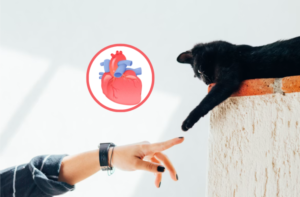
How to Choose CoQ10 for Your Cat
CoQ10 is one of the most talked-about pet supplements—and one of the most debated. Critics call it a placebo, yet veterinarians routinely recommend it for cats with heart conditions. The truth sits in the middle: a quality, properly dosed product helps, a worthless one does not. Here are three rules for choosing a CoQ10 that actually works.

How to Choose the Right Snacks for Your Chinchilla
The right snacks are key to a chinchilla's health and happiness. Chinchillas are omnivores that enjoy dried fruit, nuts, vegetables, and fruit, but some foods—chocolate, onion, caffeine—are toxic and must be avoided. Choose high-quality, additive-free, natural snacks; keep portions small to prevent obesity; vary the types to hold interest; respect individual texture preferences; and stop any food that triggers vomiting or diarrhea. Snacks also double as bonding tools during gentle play.