Search Results
6133 results for “FIC”

Can Dogs Get Tumors Too?
Dogs can get tumors; common drivers are genetics, diet, and physical or chemical factors (UV, infection, radiation). They split into subcutaneous (a palpable lump; slow growth suggests benign, fast suggests malignant) and internal (found by ultrasound, X-ray, or biopsy). Types include mammary, lipoma, melanoma, lymphoma, and mast cell tumors.

Is Chinchilla Soft Stool Normal, and How to Handle It
Normal chinchilla droppings are firm rice-grain pellets; soft stool is abnormal and can slide into severe diarrhea and enteritis if ignored. Mild cases need diet fixes (more hay, no snacks or oily food, probiotics); severe or watery stool needs a vet check, anti-diarrhea and sulfa drugs, deworming, or rehydration.

Why Are a Chinchilla’s Teeth Turning White, and What to Do
Normal chinchilla teeth are yellow to orange; white teeth usually mean calcium lack (low calcium, phosphorus, vitamins A/D), which also weakens bones and risks fractures. Fix with calcium syrup or child calcium tablets plus alfalfa and sun; prevent with quality pellets, extra calcium for pregnant and lactating females, and no over-supplementing.

Chinchilla Pregnancy and Post-Birth Care
During pregnancy separate the pair, feed easily digested high-nutrition food, remove high platforms after 80 days, and keep the nest warm and quiet. After birth ensure kits nurse colostrum within 4 hours; only 2-3 of the three nipple pairs produce milk, so hand-rear or foster the extras.

How Chinchillas Mate and Reproduce
Chinchillas can be paired from 8 months and 500 g; males mature at 4-6 months but females should not be bred early. After a brief evening mating a copulatory plug appears within 1-2 hours, and the pair must be separated to protect the 111-day pregnancy. Litters are 2-3 kits; watch for rejected kits when more are born than the two productive teats can feed.

What to Do When a Dog Eats Everything — and How to Train ‘Leave It’
Dogs are trusting and will take food from strangers, so train refusal early. Have a helper offer food and correct with a leash tug and 'No' (repeat with different helpers), then teach 'leave it' on the ground by rewarding attention with a better treat. Greedy by nature, this training needs daily management and constant vigilance.

Why Is My Rabbit Suddenly Limp All Over?
A limp rabbit may be from calcium deficiency, low blood sugar, low energy intake, or cold/hard-to-digest food. Tell normal rest (jumps up when called) from pathology (slow, won't move or eat). Hypoglycemia needs warming and syringe-fed glucose water, then a vet. Feed on schedule with hay and pellets, and see a vet for persistent limpness or dry stool.

Why Does a Parrot Pluck Its Feathers?
A parrot plucks its feathers to groom, out of boredom or stress, from calcium/vitamin deficiency, or due to infection (feather lice). Bathe it every 2–3 days, give chew toys and out-of-cage time, keep a quiet spacious cage, supplement calcium and greens, and deworm or see a vet for skin disease. Occasional plucking is normal; frequent plucking needs attention.
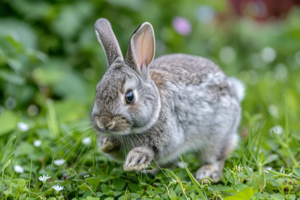
What Does a Rabbit’s Sudden ‘Airplane Ear’ Mean?
A rabbit's 'airplane ear' (one ear flopping up) can mean an impure lop bloodline, ear mites or inflammation, an ear strain from being lifted by the ears, or a calcium/trace-element deficiency. If there is no redness or pain, improve the diet; if there is, get a vet exam and treat mites or infection accordingly.

What Causes Cat Pneumonia — and How Is It Treated?
Cat pneumonia starts with lung or bronchial inflammation, often triggered by dirty air, low immunity, a foreign body, a cold, allergy, or another disease (parvo, panleukopenia, kidney/heart). Acute cases show sudden fever and breathing trouble; chronic shows lasting cough and low appetite. Treatment is culture-guided antibiotics plus cough relief and fluids, with prevention focused on a clean, dry environment.