Search Results
6133 results for “FIC”
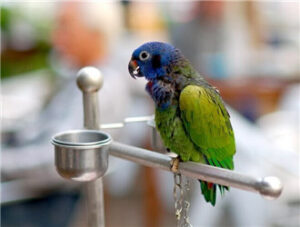
Blue-headed Parrot
The Blue-headed Parrot (Pionus menstruus) is a relatively small, slightly plump parrot with a short tail that can live up to 25 years with good care. It is one of the more commonly kept parrots of its genus, with three subspecies that differ mainly in the depth and spread of the blue coloration on the head.

Blue-fronted Amazon
The Blue-fronted Amazon is one of the more common Amazon parrots, with very bright plumage. Its drawback is a loud call, so it is best kept in a detached house where it will not disturb neighbors. Its diet is varied and easy to manage.

Bluethroat
The Bluethroat (Luscinia svecica), also known as the bluethroated robin, is a small, shy songbird that favors shrubland and reed beds. It darts short distances along the ground and frequently flicks or fans its tail, and its song is especially beautiful.
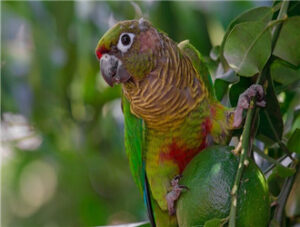
Green-cheeked Conure
The Green-cheeked Conure (Pyrrhura molinae), also called the green-cheeked parakeet, is a typical climbing bird with richly colored plumage. It is mainly distributed in the highlands of eastern Bolivia.

Siberian Blue Robin
The Siberian Blue Robin (Luscinia cyane), also called the blue-tailed robin, is widely distributed and in the wild likes to dwell near the ground, hiding among reeds and thorns. Its type locality is the Daurian region of Siberia.

Is It Necessary to Bathe a Hamster
Normally you don't need to bathe a hamster — they self-clean with dust bath sand and can die from water baths. Bathe only when fur is contaminated with toxins or sticky matter. The step-by-step method uses near-room-temperature water, unscented pet shampoo, gentle wiping away from the face, and a warm, dry recovery.

What Is a Proper Hamster Diet
A correct hamster diet is built on staples (grains), supplemented by fresh vegetables and fruit, occasional oily seeds as treats, and protein-rich foods like boiled egg white or mealworms. Mix about 70% staple, 20% vegetable/fruit, 10% treats. Avoid chocolate, coffee, sugar, and pungent vegetables like onion and garlic.

Can Hamsters Get Diabetes Too
Yes — hamsters can develop diabetes, most often dwarf breeds, due to genetics and obesity from insufficient insulin. Signs include overeating, excessive drinking, frequent strong-smelling urine, and weight swings. Care centers on a high-protein, high-fiber, low-fat diet that avoids all sugary foods, plus natural blood-sugar-lowering supplements like fenugreek.

Common Causes of Hair Loss in Hamsters
Hamster hair loss has many causes beyond normal shedding: old age, low dietary protein, skin friction in the cage, seasonal molting, over-grooming, pregnancy, and hormonal imbalance (including male-pattern baldness from excess testosterone). Identifying the cause lets owners apply the right fix.

Pudding Hamster Behavior and How to Care for Them
Pudding hamsters are gentle but timid — the easiest breed to bully — and are food-loving, sleepy, and low-energy, which is why most stay plump. Caring for them means avoiding human food, direct sun, and water baths, keeping them solo or same-sex, and following rules on diet, bedding, and clean drinking water.