Search Results
6133 results for “FIC”

Is a Dog’s Red Paw a Sign of Interdigital Dermatitis?
Red paws are often interdigital dermatitis, but fungus or injury can also be the cause. Match the cause to the right treatment for your dog.

White Film Over an Arowana’s Eye
A white film over an arowana's eye calls for quick water changes. The 'old three' method fixes mild cases; bacterial film needs fish-specific antibiotics.
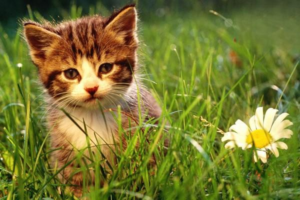
What to Do When Your Cat Suddenly Loses Energy
A suddenly listless cat may be lonely and depressed, or sick. Give it attention and outings for mood, and treat any illness behind the low energy.

How to Reduce Your Guinea Pig’s Odor
Guinea pigs cannot be bathed often, yet odor builds up if they are not cleaned. Cut smell by feeding low-protein pellets, litter-training in a corner toilet, cleaning the cage daily with absorbent bedding, using pet deodorizers or gut supplements, and giving an occasional warm-water bath.

Why Is My Cat Suddenly Limping?
Sudden lameness can come from injury (ligament, fracture), calcium deficiency, a broken nail, or a dislocated kneecap/arthritis. Treat minor wounds at home, boost dietary calcium, and see a vet for kneecap or joint issues.

Why Won’t My Red-Eared Slider Open Its Eyes?
Cloudy eyes, white discharge or failure to open the eyes in a red-eared slider usually means white-eye disease (an eye infection common in aquatic turtles), caused by eye injury or dirty water. Treat mild cases with nitrofurazone baths; also rule out low temperature, new-environment stress or other infection. Keep water clean and at about 25°C.

Turtle Cold: Symptoms and Treatment
Turtle colds show as dull eyes, weeping eyes, runny nose, lethargy and white material at the mouth; severe cases develop pneumonia (crusted nostrils, wheezing). Treat by severity — isolation and warmth for mild, antibiotic (gentamicin/oxytetracycline) baths for moderate, and amoxicillin by weight for severe — keeping the enclosure at 30–32°C.

Why Your Budgie Screams at Night and How to Stop It
Budgies are diurnal and normally settle down at night, so persistent screaming after dark usually signals stress, hunger, or a disrupted routine. Common triggers include fright, an off schedule, nighttime noise, and an unstable perch. You can quiet a noisy bird by fixing its light and quiet, offering food and water before bed, and using calm, consistent training.

What to Do When a Silver Arowana Won’t Eat
If a silver arowana won't eat, first check for fright, low temperature, dirty water, or illness, then apply the matching fix. Most cases recover with calm, warm, clean water.

What to Do When Your Cat Has Mouth Sores (and Which Medicine to Use)
Mouth sores in cats are often caused by calicivirus or dental disease. If eating is affected, see a vet to confirm the cause before medicating, to avoid dehydration and low blood sugar from prolonged fasting.