Search Results
6133 results for “FIC”

How to Fix Bad Breath in Cats
Cat bad breath usually points to an oral problem such as ulcers, periodontal disease, or poor diet. Brush regularly, switch to bland soft food, add vitamin B and dental chews, and check for drooling, dirty teeth, vomiting, or twitching to find the cause.

Cockatiel Enteritis: Signs and Treatment
Cockatiel enteritis shows as diarrhea, watery droppings, fluffed feathers, rapid weight loss, and low spirits. Without prompt care it can turn to starvation, blood in droppings, and dehydration fast, so act early.
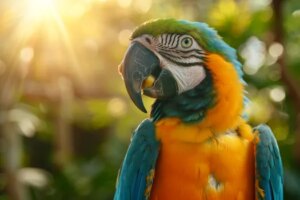
What to Do When a Parrot Fish’s Mouth Is Swollen
A parrot fish's swollen mouth is usually a fight wound that self-heals, or head-hole disease needing isolation and medication. Keep water clean.
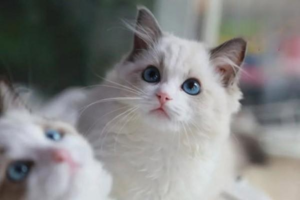
Why a Cat’s Ears Are Red
Red cat ears usually mean fever, ear mites, or heat. Check temperature for fever, treat mites, or just cool the cat down.

Why Do Dogs Tilt Their Heads?
A dog's head tilt is usually a sign of focused attention—it helps them see your face past their muzzle, pinpoints the direction of a sound with their keen hearing, or simply earns a rewarding response from you. In most cases it is normal, harmless behavior rather than a cause for concern.
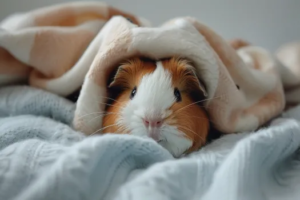
Guinea Pig Physiological Characteristics
Guinea pigs cannot make their own vitamin C and need it from food - deficiency causes scurvy (hind-leg weakness, common in winter). They are sensitive to certain sounds and pathogens, tolerate low oxygen, and have a 62-72 day pregnancy with postpartum estrus. Normal temperature is 37.8-39.5°C and lifespan about 8 years.

Why Guinea Pigs Develop Malocclusion (Bad Bite)
Guinea pig malocclusion is common because their teeth grow continuously and need constant wear. Signs include trouble chewing or swallowing and reduced intake; diagnosis is by exam or imaging under anesthesia. Treatment is dental burring to restore the bite - extractions are nearly impossible. Feed high-fiber food and schedule checkups.
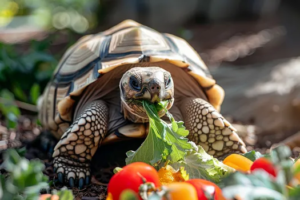
How to Prevent and Treat White Eye Disease in Turtles
White eye disease is a common turtle illness that causes eye inflammation, swelling, and a white film over the eyes, and can stop the turtle eating and even prove fatal. Keep the enclosure water clean and well-aerated, treat mild cases with antibiotic eye ointment, and use injections for severe infections.
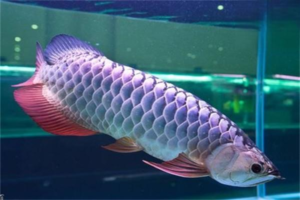
Causes and Treatment of Popeye in Arowana
Arowana popeye can stem from old water, rich food, high pH, vitamin lack, parasites, or harsh light. Keep water clean and use the 'old three' at the first sign.
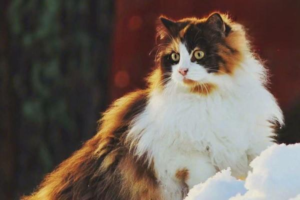
Is Redness at the Corner of a Cat’s Eye a Tear Stain?
Redness at a cat's eye corner isn't always tear stains - it can be discharge, infection, injury, or diet-related heat. Learn the four causes and how to treat each.