Search Results
6163 results for “FIC”
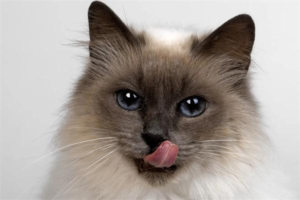
What to Do If Your Cat Has a Difficult Temperament
A grumpy cat may be unmet in its needs or physically uncomfortable; neglect, poor diet, or illness all show as bad mood. Find the cause first. Build a calm, stable home, spend daily time playing and bonding, meet its physical and emotional needs, and be patient through heat or pregnancy — most cats warm up with steady, gentle care.

Why Do Cats Have Difficult Labor?
Dystocia in cats has many causes: existing health problems or illness during pregnancy, overly large kittens, abnormal positioning, or stress during delivery all raise the risk. Before birth, take steps such as a prenatal check to lower the risk and protect mother and kittens.

Feeding Your Cat the Scientific Way
Commercial cat foods are formulated to strict nutrition and safety standards, so a quality kibble matched to your cat's life stage is the simplest healthy staple. Human foods like rice, salt, and plain boiled chicken are poor or even harmful substitutes. This guide covers choosing food, using wet food wisely, and the free-feeding approach that suits a cat's graze-and-nibble nature.
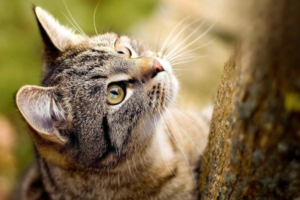
Diagnosing and Treating Feline Idiopathic Cystitis (FIC)
Feline idiopathic cystitis, or FIC, is a common lower-urinary-tract disease in cats whose exact cause is still unknown, yet it is the single most frequent diagnosis in young cats, affecting roughly 50 to 60 percent of cases. It is linked to a defective bladder lining, nerve-driven inflammation, and stress. Because there is no single definitive test, veterinarians diagnose it by exclusion, using the history, urinalysis, blood chemistry, and ultrasound. Most episodes ease on their own within five to seven days, but treatment focuses on pain relief, protecting the bladder lining, litter-box management, more water, prescription food, and reducing stress.

What Deficiency Causes Pica in Rabbits
Rabbit pica can stem from lacking trace elements such as zinc, iron, manganese, iodine, and selenium, plus calcium, phosphorus, and fiber. A varied, balanced diet of hays, pellets, fresh vegetables, and water covers these needs. Pica can also reflect missing chew outlets, boredom, too little exercise, or anxiety, so environment and mood matter too. If diet correction does not help, a vet check is wise.
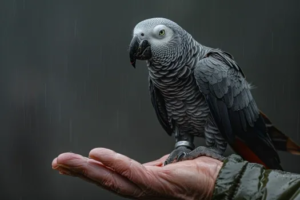
Pacific Parrot: Traits and Care
The Pacific parrot (or Pacific parakeet) is among the smallest parrots, only about 12 cm long and 30 g, earning the nickname "pocket parrot." Mostly green or blue, it is gentle, cute, and not very destructive, and can even learn a few words. In the wild it flocks and eats seeds, berries, and fruit; in captivity it needs a small cage, mixed seed or pelleted food, baths, and sunlight. Breeding runs January to May with four to six eggs.

Pacific Double-Saddle Butterflyfish
The Pacific Double-Saddle Butterflyfish (Chaetodon ulietensis), also called the Saddle-spot Butterflyfish, is a gentle marine species that is not difficult for beginners to keep. A popular saltwater ornamental fish, it is primarily coral-feeding and should not be housed in a reef tank. Adults reach about 20 cm in length.

Selenium Metabolism Disorders in Dogs and Cats: Deficiency (White Muscle Disease) and Toxicity
Selenium is an essential trace mineral that supports antioxidant defence and immune function in dogs and cats. Both too little and too much are harmful: deficiency causes nutritional myodegeneration (white muscle disease) affecting skeletal and heart muscle, while excess produces acute and chronic poisoning.

Choline Deficiency in Dogs and Cats
Choline deficiency in dogs and cats, an anti-fatty-liver nutrient, causes fatty liver, poor growth, and a bone deformity known as perosis with joint swelling and unsteady gait. It is corrected by adding choline to a complete diet.

Niacin (Vitamin B3) Deficiency in Dogs and Cats
Niacin (vitamin B3) deficiency in dogs and cats causes pellagra-like signs, oral and esophageal ulcers, black tongue in dogs, diarrhea, anemia, and symmetric dermatitis. It follows corn-heavy diets low in tryptophan, and is corrected with dietary niacin.