Search Results
6152 results for “FIC”

Which Ornamental Fish Can Live in Cold Water?
If heating the tank feels like a hassle, choose coldwater fish. Good options include the white cloud mountain minnow, comet goldfish, paradise fish, medaka, goby, bitterling, hillstream loach, and koi — most thrive between 5 and 30°C without a heater, though very low temperatures can dull their color.

Should You Wash Your Dog’s Paws After a Walk?
Washing your dog's paws after a walk is worthwhile: paws pick up debris that, if not cleaned, can smell or cause infection. Dirty paws also soil floors and belongings at home. Rinse paws before entering and dry the fur promptly to avoid prolonged dampness.

Why Is My Cat Crying Reddish-Brown Tears?
Reddish-brown tear discharge in cats can be caused by overly salty food, a blocked nasolacrimal duct, or eye inflammation. Determine the specific cause from the actual situation and treat accordingly. If the cat recently ate salty food, it may be 'internal heat' causing more discharge that oxidizes to reddish-brown—adjust to a bland diet and offer more water. If the eyes are also red and swollen, inflammation is likely; see a vet.

Common Diseases of Ornamental Fish
Scale loss, fin rot, fin congestion, saprolegniasis (cotton fungus), and cloudy eye are common ornamental fish diseases. Even careful keepers can't fully prevent them, so observe fish daily for early signs. Most sick fish show reduced appetite and activity; act on these promptly. Keep water clean, since fouled water easily causes illness.
How to Improve the Survival Rate of Ornamental Fish
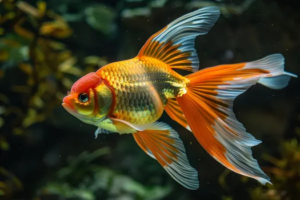
To raise survival, fishkeepers should feed reasonably, change water regularly, clean filter media, keep temperature suitable, and control stocking density. Match diet to the species, control amount and frequency; regular water changes and filter cleaning keep water quality. Keep temperature right and density appropriate for tank size. Before mixing species, learn which coexist to avoid losses.

Common Goldfish Diseases and Their Prevention
Common goldfish diseases include white spot (ich), cloudy eye, saprolegniasis, enteritis, fin/tail rot, and dropsy (pinecone disease). Learn these to prevent and lower illness risk. Water quality is the main health factor—keep it clean with regular changes and cleared waste to avoid bacterial growth and infection. Keep temperature steady and oxygen sufficient.

What Factors Affect a Goldfish’s Body Color?
Goldfish color is affected by genetics, light, water quality, diet, temperature, and environment. Genetically, early-fading fish pass it to offspring. Low light causes fading—provide natural or artificial light. Low dissolved oxygen also causes fading, so keep oxygen sufficient.

Why Is My Goldfish Losing Its Color (Fading)?
Goldfish color is affected by age, light, and water. As they age (past 4 years) fading is natural—no concern. But low light, wrong temperature, poor nutrition, or low oxygen also cause fading. Judge by the actual cause: add light (or a color lamp) for low light, and aerate for low oxygen.
How to Calm a Stressed Cat (Feline Stress Response)
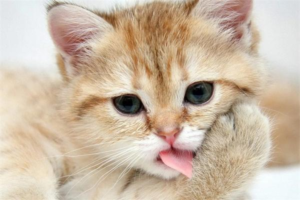
Stress can cause digestive issues, mood swings, and behavior changes. To ease it, find the cause, create a stable safe environment, spend more time, and use pheromones or calming scents. Prevention is a stable home and watching mood. If the cat vomits, won't eat, or shows urinary blockage/blood, see a vet promptly.

Why Won’t a Mother Cat Eat After Giving Birth?
A new mother cat may refuse food from exhaustion, pain, mastitis, postpartum calcium deficiency, hormone swings, or anxiety. Hormone or exhaustion/pain causes usually recover with rest. Offer tempting foods like canned food, goat milk, crucian carp soup, or chicken breast. Calcium deficiency or mastitis show swollen breasts, fever, weakness, twitching—see a vet.