Search Results
1285 results for “Enteritis”

What Are the Most Common Turtle Diseases?
Turtles are hardy, but they still get sick, especially with poor water and feeding. The most common illnesses are colds, enteritis, mycosis, and soft-shell disease, each with distinct signs and treatments ranging from antibiotics to diet fixes.
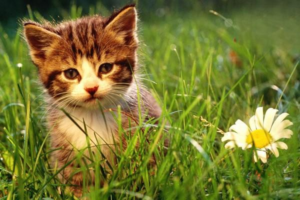
What to Do When Your Cat Suddenly Loses Energy
A suddenly listless cat may be lonely and depressed, or sick. Give it attention and outings for mood, and treat any illness behind the low energy.
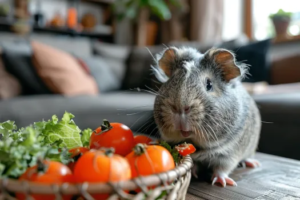
Guinea Pig Biological Traits and Characteristics
Guinea pigs are social, gentle prey animals that need dry, warm, clean housing and a high-fiber vegetarian diet. They are sensitive to smell, sound, and temperature; prone to pneumonia in poor air; and unusually sensitive to antibiotics such as penicillin. Their long pregnancy ends in fully developed pups that walk within an hour.

What to Do When a Silver Arowana Won’t Eat
If a silver arowana won't eat, first check for fright, low temperature, dirty water, or illness, then apply the matching fix. Most cases recover with calm, warm, clean water.

Why Is My Rabbit Passing Blood in Its Stool?
Blood in a rabbit's stool is alarming and should never be ignored. Causes include constipation from dry food and low water intake, parasite overload, enteritis (which can rupture local capillaries), and rectal tumors or polyps. Treatment matches the cause—diet and hydration for constipation, deworming for parasites, antibiotics for enteritis, and prompt surgery consult for growths.

Common Factors That Make Arowana Sick
An arowana's health is closely tied to how it is kept. Poor feeding, fright, bad water changes, fighting, external infection, and overall poor water quality are the main triggers of illness. The single most important preventive measure is stable, clean water—use a filter and change water on a schedule.

Symptoms and Treatment of Arowana Pinecone Disease
Arowana pinecone disease (raised scales), also called 'arowana cold,' is often triggered by large temperature swings during seasonal changes. Early signs are darkening, rough skin, and scales protruding outward; severe cases show swollen scale sacs with bloody fluid and ascites. Treatment starts with raising the temperature 1–2°C, adding salt (0.6–1%), and partial water changes; medication is added if no improvement.

Chartreux
The Chartreux, also called the Chartreux Blue Cat, has the English name Chartreux. Native to France, its history dates to the 14th century. Together with the British Shorthair Blue and the Russian Blue, it is one of the world's three great blue cats. The Chartreux has a long history, recorded in publications as early as 1558.

Nebelung
The Nebelung is essentially a long-haired Russian Blue, a rare variant recognized by TICA in 1987 and hailed as the 'nobility of long-haired breeds.' Apart from its coat, it is identical to the Russian Blue. Quiet, shy, and gentle, yet intelligent and adaptable, it is well suited to calm households.

Why a Turtle Spits Out Its Food and What to Do
A turtle that suddenly spits out food is reacting to its environment, temperature, bad food, or illness. Find the cause and act accordingly.