Search Results
1285 results for “Enteritis”

Non-Infectious Causes of Diarrhea in Rex Rabbits
Diarrhea in rex rabbits—especially kits—is common and dangerous. While vaccines and drugs now control infectious causes, non-infectious factors (fiber imbalance, stress, antibiotics, toxins) are often overlooked. This guide covers them.

How to Help a Thin Cat Gain Weight
A thin cat may be underweight due to genetics, poor diet, parasites, digestive disease, or dental issues. Rule out illness with a vet first; then raise the diet's nutritional density, feed small frequent meals, and add gentle play to boost appetite and build a healthy body.
Will a Cat Pass a Swallowed Object on Its Own?
A cat may pass a small, smooth object, but larger or oddly shaped items can block the gut and cause serious harm. Watch for poor appetite, lethargy, vomiting, drooling, or belly pain and see a vet; diagnosis may use endoscopy or X-ray, with treatment from monitoring to surgery.

What to Do When Your Cat Vomits at Night
If your cat vomits at night, stay calm and watch its mood, stool, fever, and blood. Mild cases may pass; persistent or worsening signs (poisoning, acute gastroenteritis, kidney disease) need a vet. Withhold food during frequent vomiting, offer clean water, then reintroduce bland food.
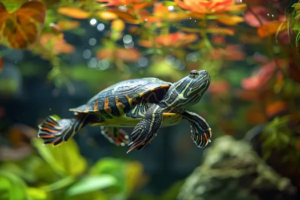
Common Reasons a Turtle Won’t Eat and How to Respond
Unpalatable food, unfamiliar surroundings, low water temperature, and gastroenteritis can all make a turtle stop eating. Turtles hibernate: appetite peaks at 24–28°C and drops as temperature falls; below 15°C they enter hibernation and stop eating. For aquatic and semi-aquatic turtles, water depth also matters—too shallow and they may refuse food; keep water at least covering the shell.
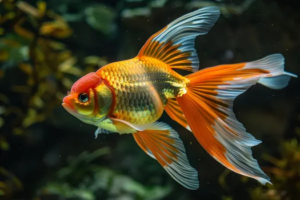
How to Improve the Survival Rate of Ornamental Fish
To raise survival, fishkeepers should feed reasonably, change water regularly, clean filter media, keep temperature suitable, and control stocking density. Match diet to the species, control amount and frequency; regular water changes and filter cleaning keep water quality. Keep temperature right and density appropriate for tank size. Before mixing species, learn which coexist to avoid losses.

Can a Puppy’s Diarrhea from a Food Change Heal on Its Own?
Puppy diarrhea from switching food can partly resolve on its own, but don't ignore it. Transition gradually by mixing old and new food, increasing the new ratio so the gut adapts. Watch the puppy's energy, appetite, and stools. Severe diarrhea may need pausing the switch and a vet's advice. Diarrhea can dehydrate, so ensure water and consider probiotics.

Common Goldfish Diseases and Their Prevention
Common goldfish diseases include white spot (ich), cloudy eye, saprolegniasis, enteritis, fin/tail rot, and dropsy (pinecone disease). Learn these to prevent and lower illness risk. Water quality is the main health factor—keep it clean with regular changes and cleared waste to avoid bacterial growth and infection. Keep temperature steady and oxygen sufficient.

Notes on Keeping Goldfish in Winter
Winter's low temperature slows goldfish metabolism and weakens immunity, so adjust diet and water changes. Reduce feeding amount and frequency and lower change frequency. Avoid adding new fish in winter. Watch their condition for early signs; manage diet and water changes to lower illness risk.

Can You Feed Goldfish Rice?
Goldfish are omnivorous and can eat rice, but not too much. Rice is nutritionally one-sided and shouldn't be the staple; its starch can cause indigestion. Balance their diet—use goldfish pellets as staple, plus some plant/animal food and fruit. As ornamental fish, some live food also adds nutrition and color.