Search Results
1285 results for “Enteritis”
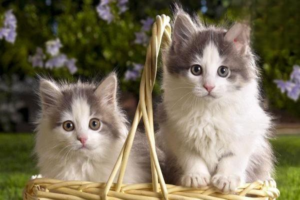
What to Do If an Anemic Cat Won’t Eat or Drink
A severely anemic cat that refuses food and water needs immediate veterinary care: fluid therapy and, when critical, a blood transfusion, because prolonged starvation leads to dehydration and worsening anemia. Treatment targets the underlying cause, restores blood-building nutrients, and may require iron, vitamin B12, and folate supplementation.
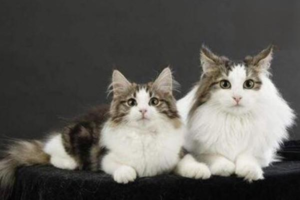
What to Do When a Cat Vomits After Eating Cat Litter
Vomiting after a cat eats litter is usually acute gastroenteritis from gut irritation. Soothe the gut, fix the litter-eating habit, and see a vet if vomiting continues—supportive home care includes short fasting and small, frequent bland meals.

Disease Prevention for Newly Weaned Rabbit Kits
Newly weaned kits face three big threats: coccidiosis (prevent with medication from supplementation through 3 months), diarrhea from enteritis/E. coli/Clostridium (prevent via strict feeding), and rabbit hemorrhagic disease (vaccinate—no cure, so boost all stock on outbreak). Good prevention raises survival.
Why Is Your Guinea Pig Not Eating?
A guinea pig that stops eating usually has gut trouble or a cold. Causes include gastroenteritis (from bad bacteria, cold, or dirty water), chilling and anorexia in winter, or wrong/high-moisture foods and spoiled feed. Find the cause fast and see a vet if it persists.

What Are the Causes of Chronic Colitis in Dogs?
There are many causes of chronic colitis in dogs, which may be caused by bacteria, fungi, or intestinal parasites, or may be triggered by eosinophils. Chronic colitis in dogs causes long-term diarrhea symptoms and needs timely treatment to avoid dehydration. To learn more, read on with us about the causes, symptoms, and treatment of chronic colitis in dogs!

What to Watch When Feeding Rabbits Different Feeds
Rabbit feeds include greens, pellets, roughage, and concentrates, each with rules: keep greens clean, mix legumes with grasses, avoid mold, feed tender young greens sparingly, and check for toxic plants. For roughage, understand drying methods—artificial high-heat hay keeps the most nutrients.

Symptoms and Treatment of Chronic Colitis in Dogs
If your dog often has soft stools, excessive bowel movements, or has bloody stool and straining to defecate, then pay attention, the dog may have chronic colitis. Compared with gastroenteritis, you may be relatively unfamiliar with dog colitis. Today we specifically understand the symptoms and treatment of chronic colitis in dogs.

What Causes a Dog to Have Frequent Diarrhea
A dog's frequent diarrhea may be caused by the owner feeding the dog food that is too greasy, or the dog being infected with intestinal parasites, suffering from chronic gastroenteritis, etc. It is recommended to self-check the cause according to the dog's specific situation, treat symptomatically, and then regulate through diet. Today we first introduce several common causes and solutions for dog diarrhea.
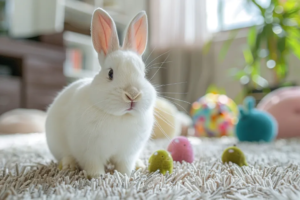
What Food Is Best for Rabbits to Eat?
What food do rabbits eat? Most people probably think of carrots. In fact, besides grass as a staple, besides carrots, there are other fresh fruits and vegetables that rabbits can eat. Below we give examples of some common foods suitable for rabbits to help them grow healthily.

Symptoms and At-Home Medication Treatment for Canine Distemper and Feline Panleukopenia
Distemper disease is a highly contagious viral disease with a high fatality rate, usually showing symptoms such as high fever, vomiting, diarrhea, loss of appetite, lethargy, and increased eye and nasal discharge. Common pets such as dogs and cats may be infected with the distemper virus, and the most effective way to prevent viral infection is vaccination. Today we explain knowledge about distemper disease around canine distemper and feline panleukopenia.