Search Results
1067 results for “Ear cleaning”
Why Your Cat Stopped Using the Litter Box
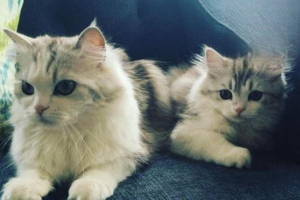
When a cat that was neatly using a litter box suddenly starts peeing on the bed or sofa, something is wrong — cats want a clean bathroom as much as we do. The usual causes are a dirty or too-small box, a hooded box they haven't adjusted to, too little litter, poor placement, strong smells from perfume or cleaners, stress, or a medical issue they can't control. Fix it by ruling out each cause, cleaning accidents thoroughly (cats smell far better than we do), staying calm instead of scolding, and gently guiding a newcomer to the box.

What Is Stomatitis in Cats and What Are the Symptoms?
Feline stomatitis is inflammation of a cat's mouth, caused by various local irritants or systemic diseases, and may be localized or widespread, primary or secondary to another condition. It's an umbrella term covering glossitis, gingivitis, and mucosal inflammation. Signs include poor appetite, drooling, painful chewing, red swollen gums, and bad breath; severe cases show blisters and ulcers. The cause is unclear but likely immune-mediated. Treatment is either medical (chlorhexidine rinses plus antibiotics and corticosteroids under veterinary supervision) or, for stubborn cases, extraction of the premolars and molars — sometimes a full-mouth extraction.
Everyday Flea Prevention and Care for Cat Households
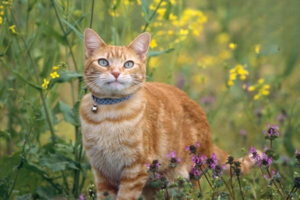
Spring and summer are peak parasite season, and fleas are a common nuisance for cat owners. A cat that scratches constantly may have fleas, mites, allergies, or ringworm — confirm with a Wood's lamp, hair exam, or the classic 'damp tissue test' where flea dirt turns red. These tiny jumpers can produce 250,000 offspring a month, so prevention matters: vacuum cracks and gaps, comb with a flea comb twice weekly, hot-wash bedding, and keep the home dry (fleas like 18–27°C, ~75% humidity). If infected, use monthly topical prevention, treat inflamed skin, and watch for tapeworms passed via fleas.
What to Do When Your Cat’s Eye Is Swollen
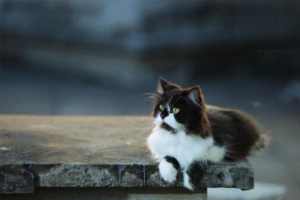
A swollen cat eye usually comes from a play-related bump or scratch, a stray foreign object, an insect bite or sting, or inflammation such as conjunctivitis. Gentle cleaning with saline and a cat-specific eye drop often helps mild cases, while a suspected bee sting (with a venom-bearing stinger) or viral conjunctivitis from cat flu needs veterinary care. Keeping your cat's paws clean also prevents further infection.

How to Boost Your Cat’s Immune System
Keeping your cat's immunity strong is essential for a healthy, happy life, letting it better resist disease. Boosting immunity takes a combined approach: feed a scientifically balanced diet, encourage moderate exercise, keep the living environment clean, stay up to date on checkups and vaccinations, maintain daily grooming, and reduce stress by providing a stable, secure home. Together these measures build a robust immune system so your cat stays healthier and enjoys life by your side.

How to Layer Hamster Bedding
Hamster bedding should be spread evenly and changed on a schedule that fits the material. Wood shavings are the most common and budget-friendly choice, but they absorb poorly and trap odor, so in summer they need frequent changes. Wood pellets are low-dust and long-lasting, good for summer, while corncob bedding must be sun-sterilized first. You can also mix tofu or bentonite litter into the blend, and always layer urine sand beneath a topping of shavings rather than mixing the two. Tidy, ordered bedding makes soiled spots easy to spot and clean.

What to Do When Your Pet Swallows a Foreign Object
Chewing on household items is natural for cats and dogs, but what starts as play can end with something swallowed by accident. Some objects are merely harmless, while others can damage health or even be life-threatening. If your pet ingests something dangerous, get to a veterinary clinic at once — never try to induce vomiting at home. Knowing which foods and objects are toxic, and calling the vet with clear details, can make all the difference.
Kitten Always Has Poop Stuck on Its Fur?
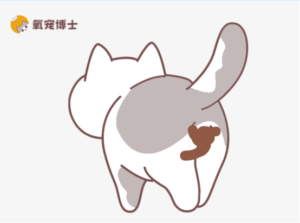
Poop clinging to a kitten's rear fur almost always traces back to soft stool or diarrhea. The loose stool can come from diet, food allergy, parasites, flora imbalance, or underlying disease, while body shape, long hair, flat faces, and very young or old age make self-cleaning hard. Soften and wipe gently, then fix the root by firming the stool—and see a vet if soft stool persists.

What Can Cats Eat to Clean Their Teeth?
The real question is what reduces food left on the teeth. Crunchy quality kibble sticks less than wet food and scrapes the surface as a cat chews; dental chews, jerky, chew toys, and VOHC-certified treats add friction; pet dental water or powder with lysozyme slows plaque chemically. But the most reliable step is still brushing a few times a week. Left alone, plaque becomes tartar, gingivitis, and even organ harm.

Common Old-Age Diseases in Dogs
Dogs are seniors from about seven years, showing grey fur, clouded eyes, weaker hearing, slower movement and lost teeth, all normal aging. But the risk of heart disease, joint trouble and mouth disease also climbs. Aging hearts can cause fluid buildup and breathlessness, a fading pancreas can bring obesity and diabetes, joints stiffen, eyes cloud with cataracts, coats thin, and tartar and gum disease appear. Adjust diet to avoid excess calories and keep weight down to protect joints and metabolism.