Search Results
334 results for “Dog soft stool”
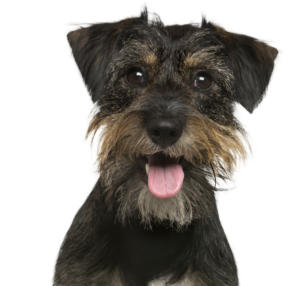
Neapolitan Mastiff
The Neapolitan Mastiff is an ancient, massive Italian breed known for its heavy wrinkles, drooping dewlap, and slobbering. Despite its daunting look, it is gentle, loyal, and devoted to family, needing early training and plenty of space.
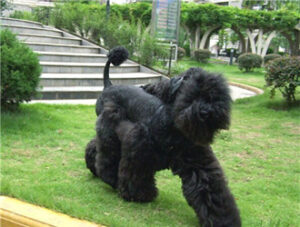
Kerry Blue Terrier
The Kerry Blue Terrier is a versatile Irish terrier with a soft blue-grey coat, known as a loyal and gentle but stubborn companion that needs firm training and careful grooming.

GiantSchnauze
The Giant Schnauzer, also called the Large Schnauzer, is a German working dog bred in the 15th century from the rough-coated cattle dog and Miniature Schnauzer. Larger than its cousins, it is strong, enduring and loyal, though it needs firm training from puppyhood to curb aggression.

Lakeland Terrier
The Lakeland Terrier is a small, bold British terrier bred to hunt foxes among the Lake District hills. Confident, friendly and weatherproof, it is an energetic and affectionate companion.

Finnish Spitz
The Finnish Spitz, also called the Finnish Fox Dog, is a hunting breed from Finland developed in the late 18th century. Resembling a fox with its pointed muzzle, erect ears, dense coat, and curled tail, it is gentle, calm, loyal, and brave.

Border Collie
The Border Collie is widely regarded as the most intelligent of all dog breeds, originally developed along the England-Scotland border for herding sheep. Energetic, sensitive and devoted, it needs plenty of exercise and mental work.
How do you judge the quality of a small Shepherd puppy?
Judging a small Shepherd puppy's quality involves temperament, health, and conformation. Compare its features against the breed standard - Border Collie, German Shepherd, or Scotch Collie. Check for signs of poor health and, if possible, screen for hidden hereditary disease. A good puppy is stable, smart, loyal, brave, and trainable.
How to Choose a Shiba Inu?
Buy from a reputable, licensed kennel and check pedigree for purity. A healthy Shiba has bright eyes, smooth coat and good appetite with no soft stool or tearing; pick an eager, friendly, trainable one.
How to Tell If a Puppy Needs Deworming?
Deworm puppies routinely from 45 days, monthly under 6 months, then monthly external and every 2-3 months internal. Infected pups show poor appetite, lethargy, soft stool, diarrhea, itching, weight loss or anemia.
How can I help a Schnauzer gain weight?
A thin Schnauzer may be malnourished or parasitized; feed rich protein, fat, vitamins, and minerals. Increase meals in small frequent amounts to avoid indigestion. If soft stool, bloated abdomen with thin limbs, odd appetite, or dry coat appear, see a vet for parasites or disease.