Search Results
284 results for “Dog brushing”
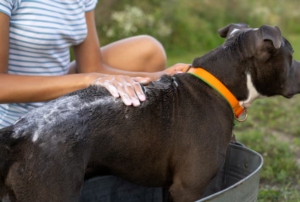
How Often Should You Bathe Your Dog in Summer?
Bathing your dog once a week is usually too often. A dog's skin relies on its sebum layer to stay moist and protected; over-bathing strips it, causing dryness, worse odor, and skin infections. Frequency should follow coat type and lifestyle—indoor small dogs may need only every two to three weeks, while active outdoor dogs can go weekly. Between baths, wipes, toothbrushing, and ear care keep odor down.

How to Prevent Folliculitis in Dogs
Folliculitis—red, flaky, itchy skin with hair loss—is common in long, short, and hairless dogs alike, but you can lower the risk. Keep the skin clean with dog-specific, lukewarm baths at the right frequency (over-bathing damages the barrier); check the coat and skin weekly for redness, sores, or bald patches; feed quality, balanced food and skip table scraps that trigger obesity and hormone issues; give outdoor exercise to boost circulation and immunity; avoid over-brushing or over-clipping that breaks the skin barrier; and control external parasites with regular deworming. For a dog already affected, keep its space dry and clean, use gentle products, and see a vet promptly for severe signs like pus or intense itching—treatment is usually antibiotics, anti-inflammatories, or topical antiseptics.

Which Dog Breeds Are Easy to Keep and Do Not Shed Much?
Breeds that are relatively easy to care for and light on shedding include the Poodle, Bichon Frise, Australian Shepherd, Standard Schnauzer, Chinese rural dog, Siberian Husky, Labrador Retriever, West Highland White Terrier, Maltese, and Beagle. Poodles have curly coats that rarely drop and need little trimming, while Chinese rural dogs are gentle, loyal, easy to train, and short-coated. Even low-shedding dogs need regular brushing, enough exercise, social time, and good food and water.

Does Your Dog Have Bad Breath?
Picture never brushing your teeth - that is a dog's mouth. Oral disease is 70-80% of pet health issues, built slowly from food, saliva and bacteria forming plaque that mineralizes into tartar; the warm mouth breeds infection, gums recede and teeth break down, then bacteria enter the blood to reach the heart, liver and kidneys, even sepsis. If disease is already there, a pro must scale and clean under the gumline, then polish - unpolished teeth erode faster. Many clinics now offer anesthesia-free cleaning for mild tartar using imported devices. Daily prevention is cheapest: a grooming-visit dental cleanup, store-bought dental gel and water additive (a few dollars a month, well reviewed and safe), and dental chews or antler chews. Do not wait until treatment is costly.

Solving Dog Bad Breath
Dogs cannot brush or floss themselves, so food lingers, ferments and smells; over time bacteria build into plaque and tartar, the real source of odor. Fight it: wipe teeth with a soft towel or gauze and use a cotton swab with garlic juice for residue between teeth; use a dog toothbrush and pet paste (not human paste, which upsets the gut) brushing every surface, patiently easing a resistant dog in. Feed vitamin- and fiber-rich veggies and crisp dog biscuits or chews that scrub the teeth - Pekingese fed only soft meat miss needed wear. Have the vet check and scale when needed; bad teeth bring strong odor and hurt appetite and nutrition.

Why Dogs Have Bad Breath and Tartar
Bad breath usually traces to tartar: poor eating habits and no dental care let plaque calcify into tartar. Scraping it at home with a dental scaler is not advised - few owners can control the dog through the whole process, and mistakes harm the gums. Better to have the vet scale once, then prevent daily with mouthwash, brushing or diet. Untreated tartar worsens breath and causes stomatitis, ulcers and red gums that block eating, and plaque harms the heart and kidneys. Prevent with daily (or every-other-day) brushing using dog toothbrush and paste, finger-wrap if the dog resists, and chewing toys; severe cases may need prescription food.

Why Dogs Have Bad Breath
The main cause of dog breath is simply a lack of timely, effective cleaning. Bacteria and tartar build on the teeth, yellow and smell, and lead to oral disease. You can brush - start young with gauze, then a dog toothbrush, using dog-only paste since dogs swallow foam and may upset their stomach. You can also offer dental chews and toys, or boil oxtail whose tendons massage and clean spots a brush misses. Carrots mixed with kibble help scrape stains too.

How to Deal With Dog Bad Breath and Tartar
The best defense against tartar is daily brushing, dental chews and an annual vet check. Choose chew products sized to your dog's mouth so they are not swallowed or lodged in the throat. Brush with a pet toothbrush - large head, soft dense bristles - and if your dog resists, start with a dab of honey on the brush or a gauze wrap around your finger. Dental sprays, powders and water additives are convenient supports but less effective than brushing. None of these remove existing tartar; severe buildup needs professional ultrasonic scaling.

Does Dog Bad Breath Mean It Ate Poop?
Dog breath is common, but four causes explain most of it - and eating poop is rarely one. Periodontal disease lets bacteria release sulfur compounds; mouth ulcers appear as sudden worse odor; trapped food ferments into a rotten-egg smell; and gut trouble from a messy diet produces foul breath. Improve it by brushing with pet toothpaste, reviewing the diet (skip cheap unbalanced kibble and strong-smelling raw meat), checking the mouth for tartar or ulcers, and watching the stool for digestive issues. For mild cases, use a real antibacterial oral spray - not a fragrance mask.

Why Your Dog Sheds and Stays Thin
Shedding plus failure to gain weight often points to parasites. Black specks in the coat mean fleas and call for external deworming; eating well but staying thin suggests internal parasites; scratching, scooting, mite-related patchy loss, or worms in stool all signal infestation. Puppies need deworming from 40 days, adults every three months, and more often if exposed.