Search Results
551 results for “Dog Health, Exercise”
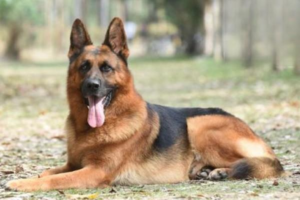
How Big Is an 8-Month-Old German Shepherd
An 8-month-old German Shepherd is no longer a puppy in behavior, but it is still a teenager in body and mind. Most dogs of this breed have passed their fastest growth phase by eight months, yet they keep filling out and strengthening for many more months. Knowing what size, weight, and temperament to expect helps you feed, exercise, and train your young dog with confidence.
Why Pets Gain Weight After Spaying or Neutering
An intact cat's base metabolic rate is about 30 percent higher than a neutered cat's, so the same food leads to faster weight gain after the procedure. Obesity raises the risk of heart disease, diabetes, high blood pressure, arthritis, fatty liver, and more. The fix is diet and exercise: feed timed, smaller, high-protein low-fat meals, drop the treats, and keep moving, with low-impact activity like swimming for joint-prone breeds.

Papillon Temperament and Care
The Papillon is a small, elegant European breed named for its butterfly-like ears. Weighing just 3 to 5 pounds, it has a soft, flowing coat in white, black, brown, or patterned colors. Despite its size, the Papillon is lively, affectionate, and highly intelligent. These dogs bond closely with their families, greet strangers kindly, and adapt to apartments or houses alike. They are quick to learn and enjoy training, games, and companionship. Because they are active and curious, they need daily exercise, mental stimulation, and regular grooming. A balanced diet, routine veterinary checks, and social interaction keep a Papillon healthy and happy. With the right care, this bright little companion becomes a devoted, joyful member of the household.
Spaying and Neutering for a Longer Bond
Neutering does more good than harm: it lengthens life by slowing organ aging, cuts cancer risk, and reduces roaming, howling, and fighting. Prepare with fasting and the right timing (after first heat, not during), and care post-op with rest, warmth, wound cleaning, and an E-collar. Males are best done at 7-8 months, females after their first cycle.

Appreciating the Golden Retriever
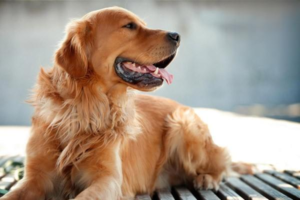
Bred in 19th-century Scotland as a tougher retriever for marshy hunting grounds, the Golden Retriever descends from a yellow dog crossed with the extinct Tweed Water Spaniel, later refined with Irish Setter, Bloodhound, St. John's Water Dog, and black retrievers. It reaches full height at 9–14 months, full weight at 2 years, mental maturity at 3. English, American, and Canadian lines differ in build and coat shade (cream to gold, never red). They shed twice a year, need daily brushing, at least an hour of exercise, weight control, and yearly checkups—average lifespan 11–12, with cancer, heart, eye, joint, and skin risks.
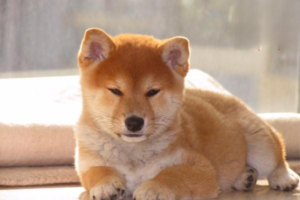
Leash Training Your Shiba Inu for Walks
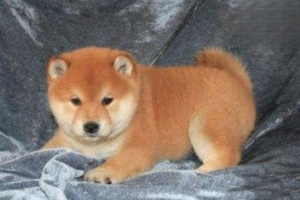
Walking is a Shiba's daily must-do—exercise, mood relief, and key socialization. Adults need about an hour a day, ideally twice, with varied routes and flexible times (avoid midday summer or cold dawns). On meeting other dogs, keep the leash short and pass calmly, or ask for 'sit/down' to ease tension; let them greet by sniffing rear ends before facing each other. Teach loose-leash walking with 'come', rewarding calm steps; never yank the leash—Shibas pull against pressure. Before vaccines, carry the pup for 'preview' walks wearing a harness.

Thinking of a Golden Retriever? Know This First
The Golden Retriever is smart, gentle, and friendly, and with training can work as a guide or search dog. But it sheds heavily, drools, has a strong odor, eats a lot, and needs at least 1–2 hours of exercise daily or it turns anxious and destructive. It's also prone to hip dysplasia, obesity, ear infections, and eye disease. Know the real commitment before you bring one home.
Is the German Shepherd Suitable for First-Time Owners?
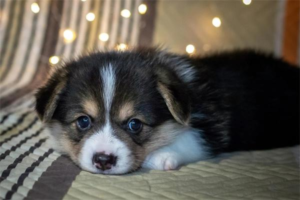
The German shepherd is generally not ideal for beginners. It is highly intelligent and active but can be challenging without solid knowledge and experience, and it needs firm, patient training plus proper socialization. Owners must commit real time and energy to exercise and mental stimulation, understand its inherited risks such as eye disease and hip dysplasia, and provide a safe home where all family members get along with the dog. Calmer, easier breeds suit first-timers better.
Lop Rabbit
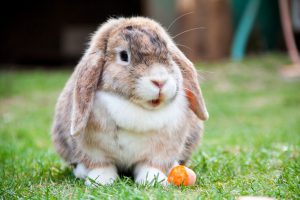
The Lop Rabbit — one of today's most popular pet rabbits — is named for its ears that hang down. Gentle, small, and people-friendly, it is short-lived (usually 5–7 years) and heat-sensitive, needs daily grooming of its dense coat and drooping ears, and must never be picked up by the ears.

LionHead Rabbit
The LionHead Rabbit is a small, gentle pet rabbit named for the ruff of long fur around its head that looks like a lion's mane. Originating in Belgium and bred in the Netherlands and US, it is sturdy and clean, needs daily coat care and a wire-free cage, and lives 5–7 years.