Search Results
186 results for “Dog Genetics”
How Does Tracheal Stenosis Affect a Dog?
Tracheal stenosis is a common airway problem, especially in small breeds. The narrowed windpipe blocks airflow, causing labored breathing and exercise limits, and can lead to complications such as voice loss and respiratory infection, plus poor appetite, swallowing trouble, and weight loss. Mild cases are managed with airway-relaxing medication; severe ones need reconstructive surgery. Keep the air calm and avoid strenuous activity, and learn canine CPR for emergencies.
How to Care for a Dog with Pancreatitis
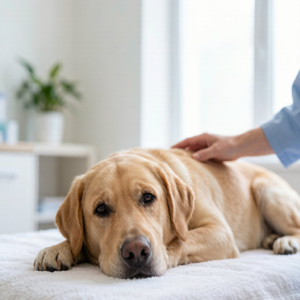
Pancreatitis is a high-risk digestive emergency, especially common in overweight middle-aged and senior dogs, and it often returns even after recovery — so proper home care matters as much as treatment. During a flare-up, withhold food and water immediately and see a vet; never self-medicate. After discharge, feed a prescription diet under 10% fat (regular food is 15–20%+), split into 4–6 small meals, and strictly avoid all high-fat foods such as fatty meat, organ meats, fried food, and rich treats. Keep your dog warm to protect the abdomen, allow only gentle short walks, follow the medication plan exactly, and return for regular pancreatic checks. Controlling weight is the best prevention — obese dogs are over three times more likely to develop pancreatitis.
Why a Dog That Stops Moving in Winter May Have Arthritis
As the deep cold of winter sets in, some owners notice their dog no longer wants to go out or play, blaming the weather, but the real cause may be osteoarthritis. OA affects 30 to 50 percent of dogs and cats and is not only age-related; even young dogs can develop it, with breed, age, sex, weight, and genetics all playing a role. It is a whole-joint disease where cartilage breakdown outpaces repair. Signs include less activity, stiffness after rest, painful swollen joints, and irritability. Management combines weight control, sensible exercise, NSAIDs for pain, and therapy with joint supplements.
How High Blood Pressure Affects Dogs
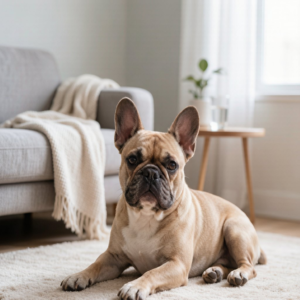
High blood pressure harms a dog's eyes, heart, kidneys, and nervous system. It can cause retinal damage and vision loss, heart enlargement and failure, kidney failure, and stroke or paralysis. Owners should watch for signs and see a veterinarian, who may measure blood pressure and suggest a low-salt, low-fat diet or medication. Risk rises with obesity, age, genetics, diabetes, thyroid or kidney disease, and stress. Prevention includes regular checkups, a healthy weight, calm surroundings, and daily exercise.
Symptoms and Treatment of Obesity in Cats and Dogs
Obesity is a nutrition disorder; by international standard, 10 to 15 percent over ideal weight counts as obese, and a body condition score gives a clearer read. In developed countries 10 to 40 percent of dogs and over 20 percent of cats are obese. Causes split into simple obesity from genes, overfeeding, and little exercise, and secondary obesity from hormone or endocrine disease. Diagnosis uses exams, body scoring, and lab work, and treatment is diet, more exercise, and managing any underlying disease.
Why a Dog’s Nose Changes Color
A healthy dog's nose is usually cool and moist, and a warm, dry nose alone doesn't prove illness—waking, hard exercise, heat/cold exposure, or old age do the same. Real fading comes from: age (pink as a pup darkens, then lightens in seniors as tyrosinase and melanin drop); illness or heat (returns after); season—'snow nose' in winter, returning with warmth; trauma (pink while healing); poor nutrition (low melanin); genetics/Dudley nose (permanent, harmless); allergy (contact dermatitis from plastics/metal—use glass/stainless); bacteria (swelling, crusts—vet); and vitiligo (immune, white patches, harmless). Protect a pink nose from sun; see a vet for bloody, foul discharge with weakness.
What breed is this dog from my hometown?
The dog in the photo appears to be a Corgi mixed with another breed. A 'mixed breed' is the general term for crossbred dogs or those without distinct breed characteristics — not a specific breed, with impure genetics. Despite lacking a pure pedigree, mixed breeds tend to have stronger immunity and are lively and loyal.

What Is Chondroitin for Dogs, and Who Needs It?
Chondroitin, or chondroitin sulfate, is a natural compound in cartilage that feeds joint cells, locks in joint fluid, and calms inflammation. Healthy young dogs get enough from food, but seniors, large breeds, dogs with joint-prone genetics, the obese, and hard-working dogs benefit from supplements—ideally paired with glucosamine and omega-3. It supports, not replaces, veterinary care for real joint pain.

Why Do Dogs Get Cavities?
The most common causes of dog cavities are poor diet and poor dental cleaning, with age and genetics also raising risk. Once found, a decayed tooth is usually extracted so it does not harm neighboring teeth, though mild cases may be filled and elderly dogs may keep the tooth if anesthesia is risky; follow your vet's advice. Prevention is key: healthy food, regular brushing, and routine dental checks keep the mouth sound.

What Causes Eyelid Entropion in Dogs?
Dog eyelid entropion comes in congenital and acquired forms. Breeds like Shar-Pei, Chow, Great Dane, miniature Poodle, Saint Bernard, and Labrador are prone to the congenital type because of facial structure and genetics. Acquired entropion follows conjunctivitis, foreign irritation, ingrown or double eyelashes, dry eye, or corneal ulcers, and shows as spasmodic muscle contraction; seniors may get it from lost tone. Most cases ease once the cause is removed, but if not, eyelid surgery is likely needed.