Search Results
186 results for “Dog Genetics”

What to Do When a Dog Keeps Panting Heavily
Heavy panting can signal respiratory disease, heart disease, heatstroke, obesity, anxiety, brachycephalic breed traits, or parasites like heartworm. Note other signs: coughing, fever, or weight loss means see a vet; panting after exercise or heat suggests heatstroke — move to shade, offer water, and cool the paws, belly, and ears.

What to Do When a Dog Is Timid and Afraid of People
A fearful dog may be born sensitive, under-socialized, or traumatized. Build a safe retreat at home, socialize gradually from a distance with treats, and avoid rewarding the fear by over-comforting. For abused dogs, give extra patience and trust; if training stalls, call a professional trainer.

Why Are Small Dogs Often More Aggressive Than Large Dogs?
It's not absolute — a dog's behavior comes from breed, personality, environment, and training. Small dogs often seem fiercer because they feel insecure, lack socialization, or were spoiled, and some breeds are naturally alert and territorial. Good socialization and training, without over-indulging, keep any dog well-mannered.

How Long Can a Dog with Neuritis Survive?
A dog's survival time with neuritis depends on severity, how quickly treatment begins, and the quality of at-home care — there is no fixed number. Mild cases can recover in 1–2 weeks with prompt treatment, while severe cases affecting the brain stem can be fatal within about a week.

How Should an Old Dog Eat After Losing Its Teeth?
After a dog loses its teeth, you can help it keep eating well by adjusting its diet — choose foods that are easy to chew and swallow, and avoid hard items that irritate the mouth. Pay attention to balanced nutrition and ongoing dental care so your senior dog can still enjoy meals and stay healthy.
What Colors Can Dog Eyes Be?
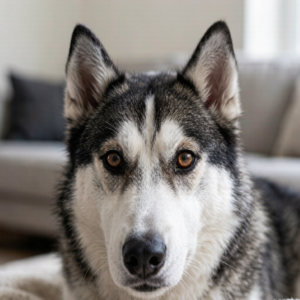
Dog eye colors vary widely: brown, black, and blue are most common, while green and gold are rarer, and some dogs show heterochromia, or two different-colored eyes. Color is genetic, but age, health, and environment can change it over time. Puppies are born with light eyes that darken with age. Whatever the shade, each pair is unique, so watch and care for your dog's eyes, cleaning them regularly and seeing a vet at the first sign of trouble.

Causes and Treatment of Eyelid Entropion in Dogs
Eyelid entropion is a common eye problem in dogs, often caused by genetics and eye disease. The right treatment depends on how severe it is, and with proper care it can be controlled and managed. Mild cases are usually treated with medication, while severe entropion needs timely surgery. Keeping the eyes clean helps reduce the chance of entropion developing.
Why Do Dogs Develop Cervical Spondylosis?
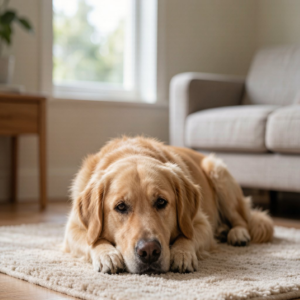
A dog can develop cervical spondylosis for many reasons, including genetics, poor nutrition, holding one posture too long, overexercise, age, and environment. Some breeds with unusual body shapes are more prone to it. Long-term calcium deficiency weakens the bones, making the cervical spine easier to compress and injure. Older dogs are also at higher risk because of bone loss and weaker muscles. This article explains the common causes of cervical disease in dogs and what symptoms and home care look like once it is diagnosed.
Causes and Treatment of Gastric Torsion in Dogs
Gastric torsion, or bloat, is a dangerous emergency seen most in large breeds like German Shepherds and Great Danes, though any dog can be at risk, and it can be fatal without fast treatment. It often starts with overeating or eating too fast, which inflates the stomach; if the dog then exercises vigorously, the full stomach can twist. Swallowing excess air while eating and factors like age, genetics, odd gut anatomy, and changes in abdominal pressure also contribute. Watch for vomiting, a swollen belly, trouble eating, and a hunched back, and rush to a vet at once; keep the dog calm while you get help. Treatment is usually surgery to untwist the stomach and repair the wall, which is stable and rarely recurs, with medication, fluids, and shock care for milder cases. Prevention matters most: feed several small meals instead of one large one, use a slow feeder for fast eaters, and avoid hard exercise right after eating.
What Are the Symptoms of Dry Eye in Dogs?
Dry eye, or keratoconjunctivitis sicca, happens when a dog's tear film produces too few tears or they evaporate too quickly, leaving the eye surface dry, scratched, and vulnerable. It can stem from genetics, hormone imbalance, infection, drug side effects, or injury. Telltale signs include dry, itchy eyes, redness and swelling, frequent blinking or pawing at the face, increased discharge, dulled vision, and even lost appetite from discomfort. Left untreated, it can lead to infection or blindness. A vet confirms it with a tear test (STT) after ruling out conditions like conjunctivitis or corneal ulcers. Treatment ranges from artificial tears, tear-stimulating drops, and antibiotics to physical care such as warm compresses, and in severe or unresponsive cases, surgery like parotid duct transposition. Catching it early protects both comfort and sight.