Search Results
268 results for “Dog Exercise”

Canine and Feline Hyperadrenocorticism (Cushing’s Syndrome)
Hyperadrenocorticism, or Cushing's disease, is an endocrine disorder in which the adrenal glands overproduce cortisol, most often because of a pituitary tumor. It causes increased thirst and urination, a ravenous appetite, muscle wasting, a pot-bellied appearance, and symmetric hair loss, and usually requires lifelong management.

Canine Mitral Valve Insufficiency: Symptoms, Treatment, and Prevention
Mitral valve insufficiency is a degenerative heart-valve disease in which blood leaks backward from the left ventricle into the left atrium, accounting for roughly three-quarters of canine heart disease. Older small breeds are most affected and show exercise intolerance, coughing, and night-time breathing distress.

Canine Hypertrophic Cardiomyopathy: Symptoms, Treatment, and Prevention
Canine hypertrophic cardiomyopathy (HCM) is a chronic, often inherited heart muscle disease in which the left ventricular wall and septum thicken, impairing the heart's ability to relax and fill. Many dogs show no signs until they develop breathing difficulty, fainting, or sudden collapse, so early cardiac screening is essential.

Canine Heartworm Disease (Dirofilariasis): Symptoms, Treatment, and Prevention
Heartworm disease is caused by Dirofilaria immitis, transmitted by mosquitoes, and lives in the heart and pulmonary arteries of dogs (and cats). It is preventable with monthly preventives; adult infections require careful veterinary treatment.
How can I keep my Bichon Frise from smelling bad?
The Bichon Frise is a clean small breed that shouldn't smell much. A strong odor usually comes from infrequent bathing, bad breath, blocked anal glands, or earwax buildup. Regular baths and brushing, teeth brushing 3x/week, weekly ear cleaning, and routine anal-gland expression plus daily exercise keep odor away.
How do I train a Border Collie?
Border Collies are smart but not always eager to obey, so train with patience. Start with simple cues (sit, down, stay) using food rewards and praise, then build up to retrieve and heel once the basics are solid.
How much food does a Border Collie need?
A Border Collie's intake depends on age, weight, activity and metabolism. Here are the typical numbers.
How can I stop my Teddy (Poodle) from mounting?
Mounting in lively Teddies usually means unspent energy. Increase exercise and play (tug-of-war, fetch, chew toys, sniffing mats), and train a firm 'off' command with a treat reward for compliance.
What should I watch out for when raising a Giant Teddy?
Giant Teddies are large—give moderate exercise to prevent obesity, do more coat care (frequent brushing and trimming), and note their health needs differ from a standard Teddy's, so schedule regular checkups.
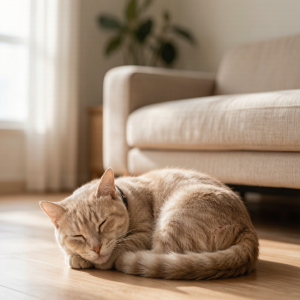
Does Your Cat Really Need to Be Spayed or Neutered?
Must a cat be spayed or neutered? Many owners have this doubt. In fact, neutering is the best overall way to ensure a pet's welfare and improve its quality of life. If the owner does not plan to breed the cat, it is best to have it fixed. Let us look in detail at the benefits of neutering and the impact of not neutering.