Search Results
850 results for “Disease spread”

4 Things You’re Missing If Your Dog Has Bad Breath
A dog's bad breath is not normal—it often means disease. Leftover food builds bacteria that cause tartar, periodontal disease, and can spread to the liver, heart, and kidneys. Keep the mouth healthy with four habits: brush one to two times a week using pet toothpaste (human toothpaste can poison if swallowed; water and a pet brush work too); check teeth regularly and see a vet for serious issues; give chew toys and dental treats to wear teeth; and feed a balanced, mostly dry diet with supplements for micronutrients (deficiency causes mouth ulcers). About 80% of dogs without dental care develop oral disease by age three—prevent early.

What Is Stomatitis in Cats and What Are the Symptoms?
Feline stomatitis is inflammation of a cat's mouth, caused by various local irritants or systemic diseases, and may be localized or widespread, primary or secondary to another condition. It's an umbrella term covering glossitis, gingivitis, and mucosal inflammation. Signs include poor appetite, drooling, painful chewing, red swollen gums, and bad breath; severe cases show blisters and ulcers. The cause is unclear but likely immune-mediated. Treatment is either medical (chlorhexidine rinses plus antibiotics and corticosteroids under veterinary supervision) or, for stubborn cases, extraction of the premolars and molars — sometimes a full-mouth extraction.

Why Cats Spend So Much Time Grooming
Grooming is second nature to cats: an adult cat spends 15% to 50% of its day licking its coat, starting as early as four weeks old. It is far more than staying clean. Grooming clears dirt and spreads natural oils, helps regulate body temperature, hides foreign scents, communicates affection, relieves stress, and even helps wounds — though vets warn against licking injuries. Heavy over-grooming that causes bald spots, or biting at the skin, can signal a skin disease or fleas, so it also works as an early warning system.

What Are the Symptoms of Canine Coronavirus?
Canine coronavirus is a fast-spreading intestinal virus that looks a lot like parvovirus. Infected dogs become lethargic and lose their appetite, then develop persistent vomiting and foul-smelling, watery diarrhea that may carry a little blood—often in recurring bouts. Puppies are especially vulnerable, while adult dogs usually recover. There is no specific cure; treatment is supportive (fluids, anti-emetics, gut protectants, and a recovery diet), and prevention through vaccination and good hygiene is the most reliable defense.
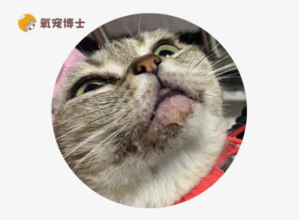
Why Do Cats Get Stomatitis?
Feline stomatitis is a painful, chronic, immune-driven inflammation of the mouth—not just sore gums. Calicivirus and autoimmune disease are the usual triggers, while other viruses, plaque, breed, stress, and poor nutrition add risk. Because it hurts to eat, cats waste away, so finding the cause matters; for stubborn cases, full-mouth extraction often brings lasting relief.

How Feline Chlamydial Pneumonia Develops
Feline chlamydial pneumonia is a highly contagious but uncommon cat disease, well covered by routine vaccination, so regularly vaccinated cats rarely catch it. It spreads through eye, nose and mouth secretions on shared bowls, cages or hands, and by sneezing. It starts as conjunctivitis and, left untreated, can advance to fever, pneumonia and infections of the airways or reproductive tract. Antibiotic eye ointment and oral antibiotics clear it, but recovered cats still carry and shed the organism, so isolation matters.

What Is Feline Haemobartonellosis?
Feline haemobartonellosis, also called infectious anemia, is a rare but serious disease caused by a blood parasite that attacks red cells and triggers their destruction. It spreads through bites, scratches, fleas and ticks, and from mother to kitten, with outdoor and unneutered males at higher risk. Signs range from fever and lethargy to pale, yellow-tinged gums; diagnosis is by blood smear or PCR. Treatment uses antibiotics such as doxycycline or enrofloxacin plus supportive care, though the cat stays a lifelong carrier.

Why Does My Cat Still Itch After Deworming?
A cat that keeps scratching after a dewormer isn't necessarily proof the product failed. Dewormers kill parasites but not skin problems, and the wrong product, wrong application, or an untreated home can all leave itching in place. Flea-allergy dermatitis, mites, dry skin, and stress can itch too. Mild scratching for a day or two may just need patience; anything longer with skin damage needs a vet.

Does a Scratching Cat Always Have Parasites?
A scratching cat doesn't automatically have worms. Itching can come from parasites, but also from skin disease, allergies, dry skin, or even stress. Anxious cats may over-groom until they damage their own skin, creating a vicious itch cycle. If scratching continues after a dewormer, or comes with hair loss, redness, bumps, ulcers, or heavy scaling, it's time for a veterinary check rather than more flea treatment.
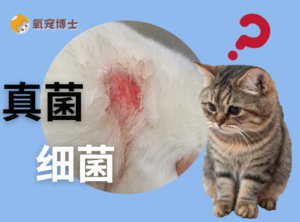
Cat Skin Redness and Hair Loss: Fungal or Bacterial?
A cat's skin normally carries small amounts of bacteria and fungi that only cause trouble when the skin barrier breaks. Fungal infection, usually Microsporum canis, shows as ring-shaped hair loss with a red raised edge and dry scales, and spreads slowly. Bacterial infection is usually secondary—after a scratch, bite, mite, or allergy—and appears as pustules and fast-growing ulcers. Telling them apart guides the right treatment.