Search Results
850 results for “Disease spread”

Factors That Affect Baby Rabbit Survival Rates
The main factor in kit survival is the strength of the kits' own immunity, with poor care being a close second. This guide covers nest box setup, nursing, preventing cannibalism, and safe weaning to raise more healthy rabbits.

Feline Coronavirus and FIP: Understanding the Connection
Feline infectious peritonitis (FIP) is caused by a mutated feline coronavirus. It is not actually contagious, but it is serious. This guide covers what FIP is, its dry and wet forms and symptoms, and what to do if a cat is infected.

Canine Coronavirus in Dogs
Canine coronavirus is a contagious gut infection causing vomiting and diarrhea, especially dangerous to puppies. There is no targeted cure, so treatment stabilizes symptoms while prevention relies on hygiene and avoiding crowded dog areas.

Why Does a Goldfish’s Tail Rot?
Goldfish tail rot comes from poor water, overcrowding, bacterial infection, or tail rot disease. Fix water promptly, lower density, isolate and bath infected fish with gentamicin, and for the disease use salt (early) or yellow powder/malachite green (severe). Disinfect the original tank to protect healthy fish.

Can a Dog Recover on Its Own After a Bee Sting?
A dog stung by a bee can usually recover on its own if the reaction is mild, but the owner should still treat the wound. Remove the stinger carefully without squeezing, clean the area with soapy water for about 5 minutes to ease itching and swelling, apply a cold compress, and put on an Elizabethan collar to stop licking. If the dog shows severe swelling, whole-body itching, or hives, take it to a vet for antiallergic treatment.
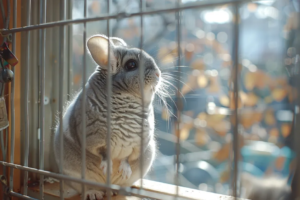
Why Is My Hamster Losing Fur on Its Belly, and What Helps?
Belly fur loss in hamsters is usually caused by a skin condition from a fungal, bacterial, or parasitic infection, but poor nutrition or abrasive bedding can also be to blame. This article covers the common causes and the practical steps and treatments to help the fur grow back.

Causes of Non-Regenerative Anemia in Dogs
Non-regenerative anemia in dogs stems from nutritional deficiency, chronic disease, bone marrow problems, or tumors that stop new red blood cells from forming. Diagnosing the underlying cause guides treatment and recovery.

Causes of Regenerative Anemia in Dogs
Regenerative anemia means the bone marrow still makes red cells but too slowly to keep up—driven by toxin, infection, blood loss, or parasites. Most causes are preventable with deworming, tick control, and keeping toxins away from the dog.

Can Keeping a Pet Hamster Give You the Plague?
Pet hamsters don't carry plague bacteria—they live caged and isolated from wild rodents, and no cases are reported. But they can carry other bacteria and parasites, so keep clean, use gloves, treat bites, and watch their health.
How is feline rhinotracheitis (cat flu) treated in cats?
Treatment measures for cat flu include isolation, medication, nutritional support, and managing complications. Isolate the cat and disinfect its environment, give feline interferon to suppress the virus, use antibiotics to prevent secondary infection, and apply eye drops for eye disease.