Search Results
213 results for “Disease Prevention, Skin Care”
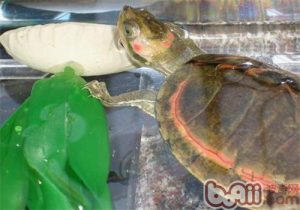
Pink-ringed Tent Turtle
The Pink-ringed Tent Turtle (Pangshura tentoria) is a striking high-domed turtle with pink cheeks and a pink ring around its carapace, but it is delicate, with hatchling mortality often above 80%, mostly from skin rot. Best suited to experienced keepers who can provide stable temperatures and a basking area.
Can Povidone-Iodine Cure Cat Ringworm?
Povidone-iodine has broad antimicrobial action but does not reliably kill the fungi that cause ringworm, so it is only a supportive measure. True antifungals, either topical or veterinary-directed oral azole medication for severe cases, remain the main treatment.

Testicular Tumors in Dogs and Cats
Testicular tumors are among the more common tumors in older dogs and are rare in cats. They often cause feminization from excess estrogen, including attraction from other males and symmetrical hair loss. Surgical removal of the affected testicle is the standard treatment, and neutering prevents the disease.

Canine and Feline Aural Hematoma
An aural hematoma is a pocket of blood that forms between the skin and cartilage of the ear flap, usually triggered by vigorous head shaking or scratching. Small collections may be drained, but most require surgery to prevent a permanently scarred, thickened ear.

Canine and Feline Nasolacrimal Duct Obstruction (Epiphora)
Nasolacrimal duct obstruction blocks normal tear drainage in dogs and cats, causing chronic epiphora (tear overflow) and facial staining. Congenital duct atresia usually needs surgical correction, while acquired obstruction from conjunctivitis or injury is managed by treating the underlying cause.
Using a Wood’s Lamp to Check for Cat Ringworm
Under a Wood's lamp in a dark room, ringworm caused by Microsporum canis makes infected hairs glow a translucent apple-green, especially at the roots. Other substances can fluoresce too, causing false positives, and a negative test does not rule out ringworm.
Folliculitis in Dogs and Cats
Folliculitis is inflammation of the hair follicles, often from bacteria, mites, or hormone imbalance. It causes hair loss, itching, and red, swollen skin, and can spread into deeper infection. Early diagnosis and antimicrobial care prevent it from becoming deep pyoderma.

Myxoedema (Hypothyroid Dermatosis) in Dogs and Cats
Myxoedema is a hypothyroid disorder in which mucinous material accumulates in the skin and tissues. It causes obesity, marked hair loss, lethargy and cold intolerance, and is treated mainly with thyroid hormone replacement plus skin support.

Biotin (Vitamin H) Deficiency in Dogs and Cats
Biotin (vitamin H) deficiency in dogs and cats causes scaly dermatitis, hair loss, poor growth, and later weakness, diarrhea, and hind-limb paralysis. It is usually due to raw-egg white (avidin) or gut flora imbalance, and is corrected with dietary biotin.

Vitamin K Deficiency in Dogs and Cats
Vitamin K deficiency in dogs and cats impairs clotting-factor synthesis, causing prolonged bleeding time, subcutaneous and body-cavity hemorrhage, and anemia. It arises from malabsorption, long-term antibiotics, or certain poisons, and is treated with vitamin K and management of the underlying cause.