Search Results
213 results for “Disease Prevention, Skin Care”
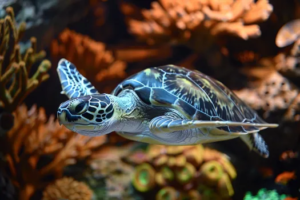
Symptoms and Removal of External Parasites in Turtles
Turtles do get external parasites, most often ticks and mites. On their own these pests do little direct harm, but they still need to be removed. An infested turtle may itch, develop rashes, and show diarrhea, weight loss, and poor appetite, and left long enough a heavy load can even be fatal. The good news is that good husbandry prevents most cases, and an established soaking routine clears an active infestation. This guide explains the signs to watch for and the practical steps to treat and prevent external parasites.
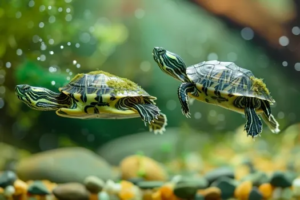
White Fuzz on Your Turtle’s Neck: Shedding or Water Mold?
White fuzz on a turtle can be normal shedding or a sign of water mold disease. If the fuzz has a clear texture with no soft rot, it is likely shedding—just give more sunlight. If fuzz appears on multiple areas and looks rotting, it is probably water mold and the turtle should be isolated and treated. The root cause is usually overcrowding and polluted water; prevent it with good nutrition, wound care, and regular water changes.

How to Reduce Heavy Shedding in a Ragdoll Cat
A Ragdoll's heavy shedding can stem from seasonal change, poor diet, weak care, stress or an underlying health issue. Brush regularly to stop mats, bathe on a sensible schedule with a gentle cat shampoo, and avoid salty or greasy food while adding omega-3 and vitamins for skin and coat. Keep the home calm and quiet, and if shedding stays severe, have a vet rule out skin disease, allergies, parasites or hormonal problems before treating.

How to Choose a Dewormer for Dogs
Most dogs meet parasites at least once, and fleas, roundworms, and heartworm are among the most common. Deworming is not a gimmick, yet three myths—indoor dogs are safe, price equals quality, one dose lasts half a year—lead owners astray. This guide covers the three standards for choosing (spectrum, safety, value), the Collie caution with ivermectin-class drugs, and a sensible schedule: monthly external and combined coverage, internal every three months for adults, and vet-guided care for puppies, pregnant, or sick dogs. Low price need not mean low efficacy.
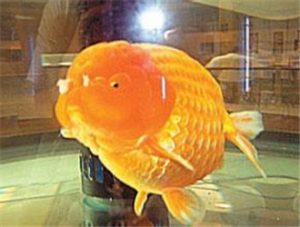
Fuzhou Ranchu Goldfish
Fuzhou Ranchu is a branch of the egg-shaped goldfish distinguished by its well-developed head growth. Originally introduced from Japan, its unique form has made it one of the most popular goldfish varieties today.

Pig-nosed Turtle
A bizarre, soft-shelled, flipper-limbed 'fly river turtle' that looks more like a turtle-bream hybrid - fully aquatic, sensitive to water quality, and a committed non-basker.

Yellow-bellied Slider
The Yellow-bellied Slider (Trachemys scripta scripta) is a common, hardy and inexpensive North American slider with a yellow belly and yellow 'ear' patches. Easy to keep but a messy, fast-eating carnivore-leaning omnivore.

Yellow-blotched Sawback
The Yellow-blotched Sawback (Graptemys flavimaculata) is the most vividly marked map turtle, endemic to Mississippi's Pascagoula River. Strictly protected in the United States and rarely seen in trade, it has no successful captive breeding.

Lop Rabbit
The Lop Rabbit — one of today's most popular pet rabbits — is named for its ears that hang down. Gentle, small, and people-friendly, it is short-lived (usually 5–7 years) and heat-sensitive, needs daily grooming of its dense coat and drooping ears, and must never be picked up by the ears.

Karoo Cape Tortoise
The Karoo cape tortoise (Homopus femoralis) is the largest member of the padloper group, native to the high plateaus of South Africa's Karoo region. Unusually cold-tolerant for a tortoise, it is the only padloper known to undergo winter dormancy.