Search Results
244 results for “Daily Care, Medication”
I accidentally made my rabbit’s eye bloodshot – what should I do?
A bloodshot eye is best treated by a vet with injections; at home, rinse with saline and use anti-inflammatory drops, though recovery is slower.
How is cat heart disease treated?
Cat heart disease treatment is comprehensive and needs vet guidance: medication such as diuretics, vasodilators, cardiac stimulants, and anticoagulants. Daily care includes avoiding fright and overexertion, controlling weight, and feeding a low-salt diet. Monitor blood pressure and heart rate; seek care if abnormal.
A one-year-old unneutered unvaccinated tabby; a big box fell on its head during moving; since then odd, quiet, dull; small city can’t check
Head injury with dementia-like signs may be brain nerve damage; see a vet for professional care. If unable, follow vet advice with neuro drugs, but prognosis is poor if incomplete. Since it eats normally, daily life is usually unaffected.
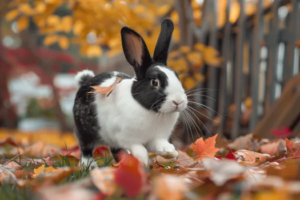
Why Are My Rabbit’s Ears Suddenly Drooping?
A rabbit's ears may droop from a normal mood change, an ear injury, or ear mites. Check for dark brown discharge inside the ear, and never lift a rabbit by its ears — rough handling can damage the cartilage permanently.

Causes and Treatment of Arowana Cloudy Eye
Arowana cloudy eye is mainly caused by poor water quality or bacteria (tuberculosis bacteria, vibrio) attacking the eye. Early cases need no drugs — the classic three methods work — while late-stage cases require antibiotics or a dedicated fish-eye medication.
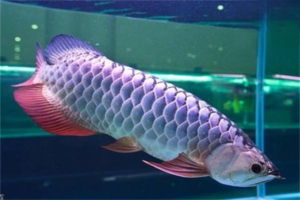
Symptoms and Treatment of Arowana Cloudy Eye by Stage
Arowana cloudy eye has three stages — early, middle, and late — each with distinct symptoms and its own best treatment. Early and middle stages respond to water changes, salt, and heat, while the late stage requires dedicated medication.
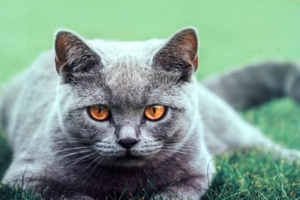
Cat Empty-Chewing: Causes and What to Do
Cat owners sometimes notice their cat suddenly chewing on nothing, as if eating air, even when it is not hungry. This behavior, called empty-chewing, can signal oral disease, a foreign object in the mouth, an upset stomach, or a neurological problem. Here are the common causes and how to address them.

Bearded Dragon Diarrhea: Causes and Treatment
Bearded dragons are omnivores that eat mostly insects and plants, but too much moisture in the diet easily causes diarrhea. Here are the causes, symptoms, and solutions for bearded dragon diarrhea.

Can Turtle Pneumonia Heal on Its Own?
Turtles are easier to keep than many pets but still get sick, and pneumonia is common and usually will not heal by itself. Timely treatment is needed. Here is what to know about turtle pneumonia.

How Long Until a Turtle with Pneumonia Dies?
If a turtle gets pneumonia and the owner does not treat it in time, it may die in about a month. With prompt care, survival rate is high. Here is how turtle pneumonia leads to death and how to treat it.