Search Results
226 results for “Curiosity”

Why You Should Not Train a Dog to Walk Upright
A dog's body differs from a human's: its spine is more curved and lacks pelvic support, so standing and walking on the hind legs loads the lower back, spine, and rear legs with extra weight. This can cause patellar luxation, joint wear, arthritis, and cartilage damage, even spinal deformity, rear-leg deformity, or bowlegs. Severe spinal harm may lead to incontinence or paralysis, so do not train dogs to walk upright for fun.
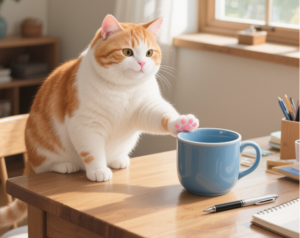
Why Does Your Cat Keep Pushing Things Off the Table?
When your cat knocks your cup or pen to the floor, it isn't pure mischief. A 2019 Cornell study found domestic cats keep about 80% of their wild hunting instinct, so they treat desk objects as "motionless prey" and the push is a mock hunt, especially for round things that roll like escaping prey. Cats are also smart readers of your mood; any big reaction, scolding or a wry laugh, teaches them that pushing things earns attention, and bad attention beats being ignored. Frequent exploring is actually a mental-health sign. Curb it with a designated play zone, daily hunting games, ignoring the act, and physically securing valuables.

How to Read Your Cat’s Mood From Its Ears
A cat's ears are a precise emotional radar: 32 independent muscles let them rotate 180 degrees to pin sound, and their position shifts with mood in real time. Forward and relaxed means content and trusting; upright and swiveling means alert and defensive, so don't disturb; flat back against the head (the "airplane ears") means fear or stress and a risk of fleeing or lashing out, so move the cat to a calm space and consider a pheromone spray. A single tilted ear shows curiosity, and frequent flicking just means something tickled the ear. Reading these cues helps you interact at the right moment and avoid forcing contact when the cat is uneasy.

What to Do When Your Rabbit Misbehaves
Rabbits will misbehave from time to time, and when they do, owners should respond correctly without harsh punishment or scolding. Learn your rabbit's temperament and behavior, understand the cause, and guide it toward better habits. Providing a good living environment, setting behavior boundaries, building routines, and ensuring regular exercise and social contact keep a rabbit calm and reduce problem behavior.

What to Do When Your Dog Has Intestinal Scratches
Intestinal scratches in dogs are most often caused by swallowing sharp foreign objects such as glass shards, fish bones, or bone fragments. These items can lacerate the intestinal wall and lead to bleeding and infection. If you suspect your dog has an injured intestine, stay calm and take it to a veterinary clinic for examination and treatment as soon as possible. Mild scratches without a retained object may only require anti-inflammatory medication to prevent infection, while cases involving a foreign body need the object removed before further treatment. This article explains the common causes, warning signs, treatment options, and everyday prevention measures so you can act quickly and protect your dog's digestive health.

Why Do Cats Lose Interest in Toys So Fast?
Cats are endlessly curious about new things, yet that curiosity fades fast—so a thrilling new toy soon becomes boring. Because cats have short attention spans and individual preferences, rotate toys instead of discarding them: put an old toy away and bring it back later to spark fresh interest. Don't dump many toys at once; offer different ones at different times, and most importantly play together—cats are social and lose interest when left to play alone. Regular interaction keeps both their interest and your bond strong.

Why Do Dogs Love Riding in the Car?
Many dogs get wildly excited the moment they hear the jingle of car keys, but the reason goes deeper than simple habit. Riding in the car satisfies a dog's natural curiosity by flooding them with new sights, sounds, and smells through the window. It is also quality bonding time, letting them sit close to their favorite person and share an adventure together. For indoor dogs especially, a car ride is a rare chance to get out, explore, and take in fresh scents. Some dogs even treat the ride as a status symbol, proudly watching the world go by from their special seat. Still, car travel has risks. Owners should secure their dog with a proper safety harness or car seat, keep the cabin ventilated, and help nervous dogs adjust gradually through short, positive training trips.

When Does a Dog Wag Its Tail Excessively?
Tail wagging is a dog's way of expressing feeling. Happiness, excitement, and greeting owner or stranger are common triggers, as are play, rewards, and curiosity about something new. The speed, posture, and rhythm carry different meanings—a loose, broad wag signals joy, while a stiff, high tail can be a warning. Learning to read the tail helps you respond to your dog's emotions correctly.

What to Do After a Hamster Bite
If a hamster bites you, wash the wound at once with warm water or saline, then disinfect with iodine. Stop any bleeding with clean gauze, and for a deep or large wound seek medical care and a tetanus shot. Pet hamsters rarely carry rabies, but a rabies vaccine is the safest precaution. To avoid bites, don't grab a hamster while it eats, sleeps, is pregnant, or when your hands smell of food—let it know you are there first.

How to Train a Puppy to Fetch
Teaching a dog to fetch is a great way to build a bond and burn off energy, and it works best with the right setup. Start during the growth phase (around 4–6 months) or a dog's energetic years (3–7). Pick a ball of the right size and bounce—tennis or ping-pong balls work well—and build interest by letting the dog sniff it, or by rubbing the ball with a favorite food scent if it shows no interest. Throw it a short distance, give the 'fetch' cue, and reward the return with praise, petting, or a treat so the dog learns the behavior pays off. If the dog won't pick up or won't bring it back, demonstrate yourself, use a treat to trade for the ball, and stay patient. Keep sessions to 15–20 minutes.