Search Results
226 results for “Curiosity”

Feline Idiopathic Cystitis: What It Is and How to Help
Feline idiopathic cystitis, or stress-linked cystitis, is the most common lower urinary tract disease in cats, making up about a third of cases. It is diagnosed by ruling out infection and stones, then eased by cutting stress, using facial pheromones, and boosting water intake.

What to Do When Your Cat Is Not Affectionate
A cat's aloofness is shaped far more by its socialization period than by genes. Kittens that miss gentle, trusting contact with people between roughly 2 and 12 weeks — or that had a bad experience then — grow up wary. There is no quick fix; rebuilding trust is slow, especially over a difficult kittenhood, so focus on steady care, routine, and calming aids like music or pheromones.

Why Dogs Bark at Nothing
A dog barking at an empty corner may be sensing what we cannot — its vision spans a wider spectrum and may even detect magnetic fields. More often it is guarding instinct, a bid for attention, or plain curiosity, and reading the tone and body language tells you which.

What to Do When Pets Eat Strange Things (Pica)
Pica — eating non-food items like string, tissue, stones, or dirt — is a nutritional or metabolic disorder, not just naughtiness. It risks mouth and gut injury, blockage, parasites, and organ failure, so see a vet, fix the diet, and add trace elements and deworming.

How Dogs Communicate
Dogs are pack animals that read rank and show love through instinct, scent, and body language. A wagging tail, a rolled-over belly, or a tucked tail each say something specific — learning these signals helps you respond to your dog's feelings.

How to Choose a Cat Bed
A good cat bed beats the summer heat without chilling the gut — rattan half-moon and crown beds are breathable and easy to wash, while cooling mats and hammocks let a cat beat the warmth safely (cats that sprawl on tile floors risk stomach upset). Add a clingy-cat 'cat table' for bonded time, and pick bite-resistant rattan toys with bells to keep a home-alone cat busy.

Confusing Cat Behaviors and Body Language
A cat's tail, ears, and posture send a mix of signals that are easy to misread: a slow, broad tail wave with purring means contentment, while a hard, fast wag with flattened ears means a fight is coming. Learning cues from the belly-up trust display to the crouched launch pose helps you read what the cat really wants.
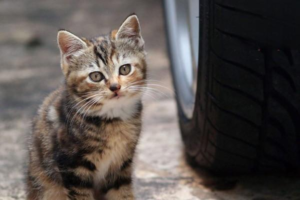
Symptoms and Causes of Cat Poisoning
Curiosity really can kill the cat. Cats always like to explore their surroundings, using their natural instincts to explore and hone hunting skills. Unfortunately, a cat's curiosity can easily get it into trouble, and a slight misstep may lead to poisoning.

Why Does Your Dog Follow You to the Bathroom?
Ever been tailed to the bathroom? Some dogs love it. From the owner's view it's over-the-top, but clearly it has reasons.

Why Dogs Love to Follow Their Owners Around
Today we look at the secret behind a dog's clinginess.