Search Results
226 results for “Curiosity”

Why Cats Don’t Drink and How to Help
Cats evolved to feel little thirst, but low intake risks urinary disease. Use broths, a fountain, wet food, and flavored water to get them drinking.

Why Do Dogs Tilt Their Heads?
A dog's head tilt is usually a sign of focused attention—it helps them see your face past their muzzle, pinpoints the direction of a sound with their keen hearing, or simply earns a rewarding response from you. In most cases it is normal, harmless behavior rather than a cause for concern.
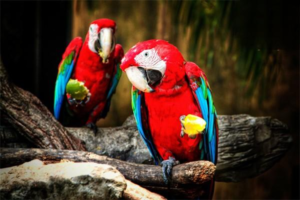
Taboos to Avoid When Breeding Peach-Faced Lovebirds
During breeding, never touch the eggs or the paired birds, and don't open the nest box out of curiosity - a startled, hot-tempered lovebird may abandon or break its eggs, or even stop laying. Respect their quiet incubation for a safe hatch.
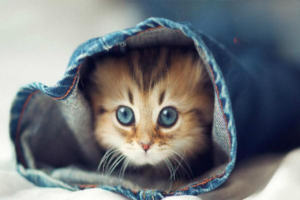
Why Do Cats Have Such Amazing Obstacle-Avoidance Skills?
A cat's outstanding obstacle avoidance comes from nature: its whiskers act as a measuring ruler, its reaction speed is about seven times that of a snake, and its loosely jointed spine lets it twist like a spring—earning the 'liquid cat' nickname. Combined with good limb coordination, a cat slips past obstacles with ease.

Why Dogs Chew Slippers and How to Stop It
Dogs chew slippers for clear reasons: teething, attraction to your scent, curiosity, or a mineral deficiency (pica). Match the fix to the cause - provide chew toys, spend more time with your dog, secure forbidden items, and correct the diet.

British Shorthair
The British Shorthair is a compact, powerful, easygoing cat with a round face, dense short coat, and large round eyes. With a history tracing to Roman times, it became a recognized breed in 19th-century Britain and is beloved for its calm, friendly, adaptable nature—an ideal companion that gets along with everyone.

Oriental Shorthair
The Oriental Shorthair is a distinct breed, unexpectedly produced by breeders while developing another cat. They wanted a pure-white Siamese, so crossed Siamese with pure-white cats, producing today's Oriental. Though born in 1962, it was recognized as a new breed in 1972. Its appearance is close to the Siamese but differs greatly in coat color.

Canadian Hairless
The Canadian Hairless, also called the Sphynx, is an extremely rare hairless genetic variant that appeared during the breeding of American or European domestic cats. Although it shares the skin pigment of domestic cats, its skin bears only a few hairs. With a wedge-shaped body, large ears, and a bulky frame, its head looks like Yoda's. The whole look makes it seem not cute but rather frightening compared with domestic cats.

Tonkinese
The Tonkinese, also known as the Vietnamese cat, is not from Vietnam but a purebred short-haired breed produced by crossing the Siamese with the Burmese, first appearing in North America in the 1930s. With pointed coloring softer than the Siamese and a short, silky coat like the Burmese, the Tonkinese is famously affectionate, active, and people-oriented.

Balinese
Balinese (details)