Search Results
335 results for “Circulation”

Siberian Chipmunk
The Siberian Chipmunk has the habits of storing food and hibernating; hibernation occurs in the wild, while in warm indoor captivity it does not need to hibernate. Wild chipmunks are mainly distributed in North China, Northwest China, and Northeast China. Their fur is of good quality and attractive.

Signs Your Cat Is Overheating and What to Do
Cats are highly sensitive to heat and can quickly go from discomfort to heatstroke in hot weather. Key warning signs include sprawling belly-up on the floor, panting with the tongue out, drinking excessively, and losing appetite. Keep your cat cool by ensuring air circulation, thinning (not shaving) the coat, and providing plenty of fresh water.
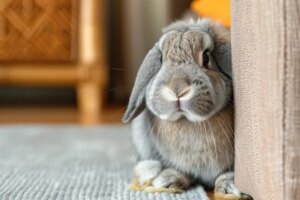
Care Before and After Plucking a Long-Haired Rabbit’s Fur
Before plucking, comb the fur to prevent matting. After, strengthen feeding with digestible, nutritious feed and add some vitamins. This article covers more tips and cautions for plucking long-haired rabbits.
When Do Golden Retrievers Start Growing Their Adult Coat, and How to Help
Golden Retrievers usually start their coat 'blow' at about 4–5 months and continue to around 8 months. If a Golden hasn't blown its coat by then, beyond genetics the owner's care also plays a role. This article shares ways to support a healthy adult coat.
How long does it take a Shiba Inu’s coat to change color?
A Shiba Inu usually sheds and changes coat color around 3 months of age, a process lasting about 4 months until the color stabilizes around 7 months. During shedding, brush frequently to prevent matting and promote blood circulation and growth. Supply good nutrition and some sunlight to aid absorption.
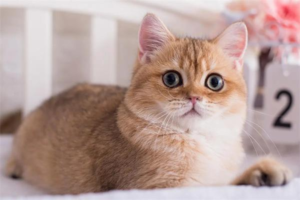
Does Weather Affect a Cat’s Mood? What Weather Do Cats Like?
Cats sense barometric pressure and are sensitive to weather; cold, dark days can trigger feline seasonal blues. They love mild, sunny weather and dislike rain, thunder, wind, and extreme heat - comfort them through storms to prevent stress.
How to Reduce Shedding in Dogs and Cats
Daily brushing clears loose fur, boosts circulation, and supports skin immunity. Bathe with a pet-specific shampoo at a sensible frequency, feed a proper pet diet instead of table scraps, give regular sunlight for its germ-fighting effect, keep the home calm and comfortable, and deworm on schedule to rule out parasite-driven shedding.
How can you make a dog’s coat grow faster?
Coat growth depends on genes, breed, nutrition and environment. Feed protein- and vitamin-rich diet with veggies, fruit, chicken and fish in quality kibble. Brush and clean regularly to boost circulation for healthier, even growth. Give ample water and exercise to support health and coat.
How long does a dog’s shedding season last?
Seasonal shedding lasts 1 to 2 months, twice a year in spring and autumn. In spring they lose thick fur for light fur; in autumn the reverse. During shedding, add nutrition and brush often to aid circulation and growth.
My 1-year-old female mixed dog keeps making urination motions but produces no urine; what is wrong?
Difficulty urinating may be a urinary disease like stones, infection, or kidney issues; give water and a diuretic, and see a vet if over 24 hours. Slow metabolism from little exercise or low mood, or pregnancy, can also cause it.