Search Results
41 results for “Cat sleeping pose”

8 Signs Your Cat Is Happy and Well Cared For
A well-cared-for cat shows it in clear ways: wild, relaxed sleep poses (even belly-up) in any corner of the home; actively rubbing against your legs and curling up in your lap; daily playfulness and curiosity about new toys; a tail held high like a flag while walking; steady appetite without pickiness and regular drinking; a coat that is soft, glossy, and free of grease or dandruff; a consistent daily routine; and a stable weight in the healthy range. You don't need perfection — meeting two or three of these already means your care is on point. Beyond that, keep up vaccines, deworming, and a clean environment.
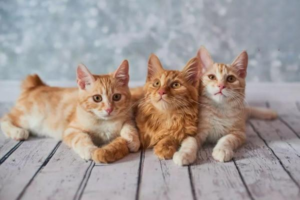
Why Cats Bury Their Head When Sleeping
The head-buried sleep pose is the most common—not repentance or heartbreak, just light. Cats like to doze near their humans, who need light awake; so the cat tucks its face in to sleep. It won't suffocate (you survive a covered head too, though mild oxygen drop can cause bad dreams). Other ideas—that the nose is a thermostat needing paw-warming, or that it's for security—lack evidence. Given a cat's glowing eyes, the simplest reason is the room is too bright.
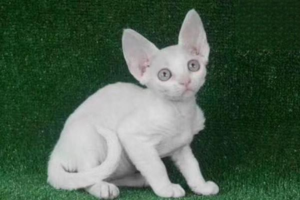
The Curious Sleep Positions of Cats
Cats seem to sleep all day, but about three-quarters of their 16–20 hours is light dozing; true deep sleep is only 4–5 hours. Sleep cycles through four stages—onset, light, deep, and dream (REM)—where growth hormone repairs the body. Positions reveal mood: the loaf (alert but resting), the curl (cozy and secure), side-sleeping (deeply relaxed, may dream-kick), and the belly-up surrender (total trust). Reading the pose tells you how safe and calm your cat feels.

How Much Should a Cat Eat Each Day?
Feeding style and portion size both matter. Free feeding suits a cat's natural graze-and-return instinct and saves effort, but risks overeating and stale food; timed, measured meals (ideally 3–4 times a day via an automatic feeder) make it easy to control intake and spot changes. To calculate portions, use the weight method for raw/fresh food and the calorie method for kibble: a 5 kg adult cat needing 70 kcal/kg takes about 87.5 g of a 400 kcal/100 g food. Kittens need the most energy per kg, adults less, and neutered cats least — but always adjust to your own cat's condition.

Signs Your Cat Loves You
Your cat loves you but you do not know it, what a sad thing. Today we list 12 moments when a cat shows its love for you.

How to Keep a Puppy Warm in Winter
Young puppies have almost no fat reserve and chill easily, so line the bed with old blankets, keep the sleeping area above 13°C, and block every draft. Sunlight, a little extra fat- and vitamin-A-rich food, and avoiding cold drafts all build cold resistance; first-time owners are better off waiting for warmer weather before bringing a puppy home.

Understanding Dog Body Language
Dogs speak with barks, ears, tails, and posture. Learning to read barking patterns, ear positions, tail wags, and behaviors like pawing or scooting helps you understand what your dog is really saying.

Campbell’s Dwarf Hamster
The Campbell's dwarf hamster is the most short-tempered of the hamsters, and looks very similar to the three-lined (Djungarian) hamster, with little individual difference. Some Campbell's dwarf hamsters have red eyes.

Slow Loris
The Slow Loris (Loris tardigradus) is a small prosimian of the family Lorisidae and genus Loris. It is nocturnal, moves slowly, and prefers to rest atop tree branches. In recent years, due to habitat destruction, hunting for use in traditional medicine, overhunting, and its own biological traits, it is on the brink of extinction.

What does it mean when a dog stretches?
Like us, dogs stretch after waking to loosen up. Stretching in sleep may mean a dream. A down-front pose can be submission (trust). A stretch with the rear toward you is an invite to sniff — dog-to-dog communication.