Search Results
325 results for “Cat rapid breathing”
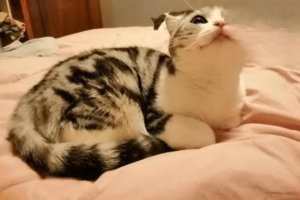
How to Prevent Heartworm in Cats
Heartworm actually takes hold in a cat's lungs, not the heart, and although cats are not the worm's natural host, they can still be infected by a mosquito carrying larvae. Cats are often overlooked: infection rates are only 5–15% of a dog's under the same conditions, symptoms are subtle (about 28% show none), and tests are less accurate than in dogs. Prevention matters — avoid mosquitoes and use a vet-prescribed monthly topical preventive. Test for infection before giving any preventive, since treating an already-infected cat can cause shock.
Difference Between a Cat Hairball and Asthma
A hairball problem shows as frequent gagging and dry heaves, occasionally bringing up hair with the vomit; if it cannot be expelled it causes days without a stool, a hard dry belly, and a dull, rough coat. Feline asthma shows as a stretched neck, wide eyes, and a loud wheezing sound lasting seconds to minutes, with little response to calls or touch; it can progress to rapid, labored, open-mouth breathing that needs immediate medication.

CoQ10 for Senior Dogs and Cats: Spotting the Signs and Picking a Reliable Supplement
As pets age, their liver makes less CoQ10, and the heart—which has the highest energy demand in the body—feels it first. CoQ10 helps power heart-muscle cells and limit oxidative stress, so a shortfall can show up as tiredness, coughing, or faster breathing. Knowing the warning signs and what a well-built formula contains helps you choose a supplement that actually supports your senior dog or cat.
Which human medications can kill a dog quickly?
Several human medications are toxic enough to kill a dog at sufficient dose. Acetaminophen cold medicines can cause liver necrosis, vomiting, rapid breathing, and abdominal pain, fatal if untreated; caffeine- and pseudoephedrine-containing drugs can trigger racing heart and seizures. NSAIDs (ibuprofen, aspirin), benzodiazepine sleep aids, and strychnine-containing herbal medicines can also cause sudden death.

Why Is Your Cat Breathing Loudly
Loud or heavy breathing in cats can be a stuffy nose from debris, a normal quirk after waking, or illness such as rhinitis or bronchitis. Short-nosed breeds especially breathe noisily while sleeping. Check the nostrils for foreign objects first; if congestion lingers with coughing, low appetite, or rapid breathing, see a vet for bronchitis. Treatment pairs fluids, anti-inflammatories, and nebulization, and reducing dust and allergens prevents recurrence.

Sepsis in Dogs and Cats
Sepsis is a whole-body infection that arises when bacteria and their toxins spread from a local source such as a wound, burn, or urinary infection. It causes high fever, collapse, and organ damage, and is life-threatening without prompt care.

Snake Bite Envenomation in Dogs and Cats
Snake envenomation occurs when a venomous snake bites a dog or cat, injecting toxin that can paralyze muscles, damage the heart, and stop breathing. Cobra-class bites can cause rapid heart failure and death. Immediate first aid and antivenom are vital.

Hematomas in Dogs and Cats
A hematoma is a localized collection of blood outside the vessels, usually from a blunt impact that ruptures small vessels under intact skin. It appears as a rapid, non-painful swelling. Prompt pressure bandaging and, when large, veterinary drainage prevent infection and tissue damage.

Carbon Monoxide Poisoning in Dogs and Cats
Carbon monoxide poisoning occurs when pets breathe gas from faulty heaters, car exhaust, or confined smoke. It binds to blood and starves tissues of oxygen, causing vomiting, weakness, bright-red gums, seizures, and coma. Move the pet to fresh air and get veterinary help at once.

Ephedrine Poisoning in Dogs and Cats
Ephedrine poisoning happens when pets receive too much ephedrine-containing medication. It causes restlessness, trembling, drooling, vomiting, and dangerously fast heart and breathing rates. Stopping the drug and prompt veterinary care are essential.