Search Results
325 results for “Cat rapid breathing”

Are Timid Cats More Prone to Stress?
Timid cats really do stress more easily, spooking at small noises or changes like a stranger visiting or rearranged furniture, and a stress response can range from hiding to vomiting, diarrhea, fast breathing, or even urinary blockage and, in extreme cases, death. Stress is a physical and mental reaction that puts the body on alert and, if prolonged, can damage organs or cause sudden collapse. Timid cats tend to be emotionally rich and very sensitive to environment change, so the fix is a stable, quiet home with few surprises, plus gradual socialization to build confidence. After a stress episode, give space and only comfort once calm; seek a vet if signs are severe or persist.

Why Is Your Dog Gasping or Breathing Rapidly?
Occasional rapid breathing or gasping is normal after exercise or in heat and settles quickly. But it can also signal disease: respiratory infection, a blocked esophagus, tracheal stenosis, or heart problems. If it is frequent or lasts long, see a veterinarian. Prevent issues by keeping air fresh, grooming and deworming regularly, avoiding smoke and strong odors, and scheduling routine checkups.

Causes and Treatment of Abdominal Breathing in Cats
Abdominal breathing in cats is often a symptom of an underlying disease—pleural effusion, a congenital diaphragmatic hernia, or feline infectious peritonitis (FIP) among them—so it always warrants attention and a prompt trip to the vet. A healthy cat breathes 20–40 times per minute; obvious difficulty, rapid or shallow breaths mean seek care immediately. Beyond treating the root cause, prevention matters most: keep up with vaccinations, schedule regular check-ups, and maintain a clean, well-ventilated, smoke-free environment to protect your cat's respiratory health.

Does Abdominal Fluid in Cats Always Mean FIP?
Fluid in a cat's abdomen, or ascites, is a sign—not a diagnosis. It can stem from liver or heart disease, kidney failure, malnutrition, or peritonitis caused by infection, viruses, or injury, and only one of those causes is feline infectious peritonitis (FIP). Because the symptom alone cannot confirm FIP, diagnosis needs bloodwork, imaging such as X-ray or ultrasound, and viral testing. If your cat shows a swollen belly, lethargy, fever, or breathing trouble, see a veterinarian promptly to find the real cause.

How to Prepare Your Cat for Car Travel
Taking a cat out by car - for a vet visit, a move, or a trip - is stressful for both pet and owner. Most cats associate the carrier with bad experiences, which triggers fear and anxiety. The good news is that with preparation you can make travel far easier. This guide covers three areas: getting your cat comfortable with the carrier, preventing travel stress and motion sickness, and what to do on the day of the trip. With the right carrier, familiar scents, pheromones and a little fasting before departure, car rides can become calm and safe.

What to Do If Your Cat Eats Onions
Onions, scallions, garlic, and chives contain sulfides that can destroy a cat's red blood cells and cause dangerous anemia. Even onion soup or curry can poison them, and a cat needs only about 5 g per kg of body weight. Early signs are vomiting, diarrhea, and lethargy; anemia shows up days later. Rush to a vet for induced vomiting, stomach lavage, adsorbents, fluids, and forced diuresis. Never try salt-induced vomiting at home, it can be fatal.

How to Treat Cat Sinusitis
Cat sinusitis is a common respiratory disease that can cause difficult breathing, coughing, head discomfort, and discharge. Treatment centers on controlling the infection—antibiotics such as amoxicillin-clavulanate for bacterial cases, or antiviral drugs like interferon when a virus is involved—plus isolation to protect other cats. Severe cases may need nasal flushing, and surgery if pus builds up and blocks breathing. This article outlines the symptoms, treatments, and home care you should know.
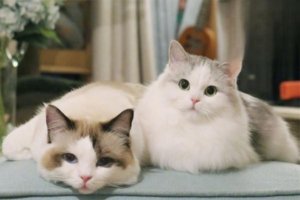
Symptoms of Fever and Colds in Cats
A cat's normal temperature runs higher than a human's, but cats get fevers and colds too. Because they cannot tell us, the signs are easy to miss. Look for a cat that suddenly prefers cool floors and shady spots, has a hot dry nose, seems unusually sleepy with rapid breathing, and has warm ears and belly. Low urine output points to dehydration. Watch also for hypothermia: below 35°C is life-threatening, and pale extremities mean you should rush to the vet.

Why Is My Ragdoll Cat Breathing Heavily?
A Ragdoll that breathes noisily isn't automatically sick—it may simply have exercised hard or be reacting to heat. But if the heavy breathing persists, it can signal real problems: respiratory disease, obesity, heatstroke, infectious peritonitis, liver-related fluid buildup, or heart disease. Watch for other symptoms and see a vet if it continues. For overweight cats, weight control helps; in hot weather, keep them cool and hydrated to prevent heatstroke. This article covers the likely causes and the practical steps you can take at home.

Is My Cat Hiccuping or Something Else?
A cat that twitches or spasms isn't necessarily hiccuping. True hiccups appear as a series of brief, rapid jerks, often with a soft 'hic' sound, and are a normal reflex that helps expel stomach gas—usually triggered by eating or drinking too fast. If the twitching doesn't match that pattern, it may point to digestive issues (retching from hairballs or bloating), respiratory infections, or even neurological problems such as seizures. This article explains how to tell hiccups apart from more serious causes and when to see a vet.